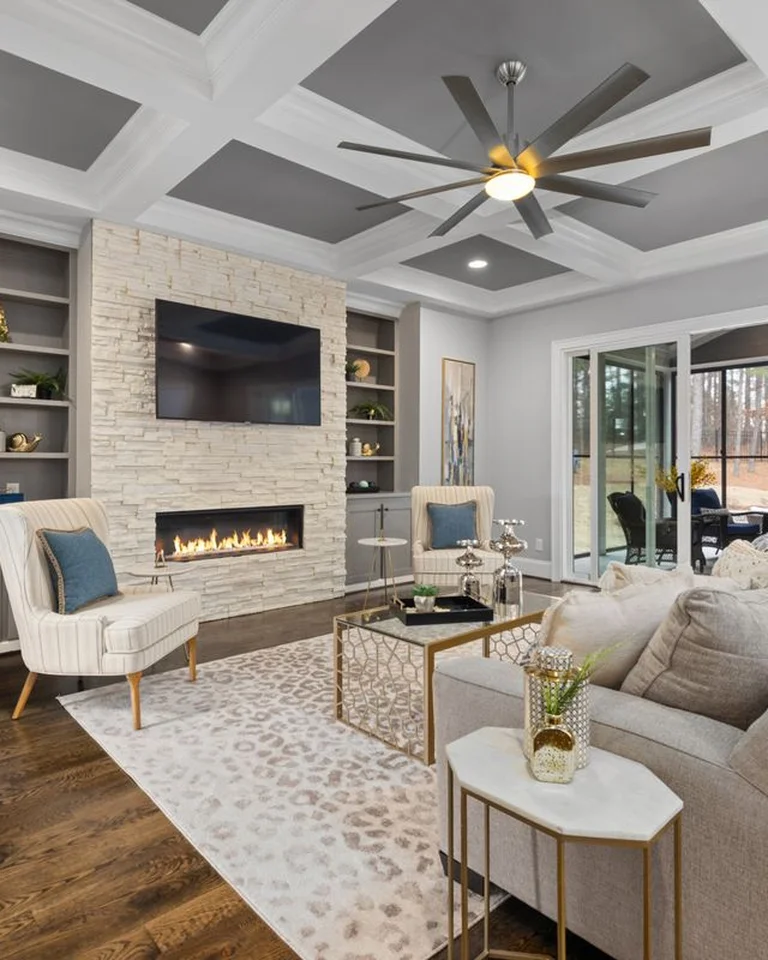
15 Ways to Brighten a Home with No Natural Light
A home with little or no natural light doesn’t have to feel like a cave. Whether you’re dealing with a north-facing apartment, a basement-level room, or windows blocked by neighboring buildings, the right combination of lighting, color, and reflective surfaces can make even a windowless space feel bright and welcoming. Here are 15 proven ways to brighten a home with no natural light — starting with the fixes that cost almost nothing.
The core principle: you’re not just adding light, you’re multiplying it. Every strategy below either brings in more light, bounces existing light further, or tricks the eye into perceiving brightness. Layer several together and the transformation is dramatic.

1. Hang Mirrors to Multiply Your Light

Mirrors are the single most effective tool for a dark home — they don’t just decorate, they literally double your light sources by reflection. Hang a large mirror opposite a window to throw daylight deeper into the room, or place mirrors behind and beside lamps so one bulb reads as three. A mirror on the wall adjacent to a window bounces light at an angle that fills the room more evenly than one placed directly across.
Size matters: One large mirror outperforms a gallery of small ones for brightness — go as big as the wall (and budget) allows. Leaning a full-length mirror against a wall in a dark hallway or bedroom instantly makes the space feel larger and lighter. For placement ideas, see how mirrors and art fill blank walls while pulling double duty on brightness.
2. Layer Three Types of Lighting

One overhead light in a dark room creates a cave with a spotlight — flat, harsh, and gloomy. The fix is layering: ambient lighting (ceiling fixtures, recessed lights) for overall glow, task lighting (reading lamps, under-cabinet strips, desk lights) for activities, and accent lighting (sconces, picture lights, LED strips) for warmth and depth. The brightest-feeling rooms always have five or more light sources, not one.
The formula: Aim for at least one source at each height — something overhead, something at eye level (table lamps, sconces), and something low (floor lamps, strip lighting). When every corner has a glow, shadows disappear and the room feels sunlit even at midnight.
3. Switch to Daylight-Mimicking Bulbs
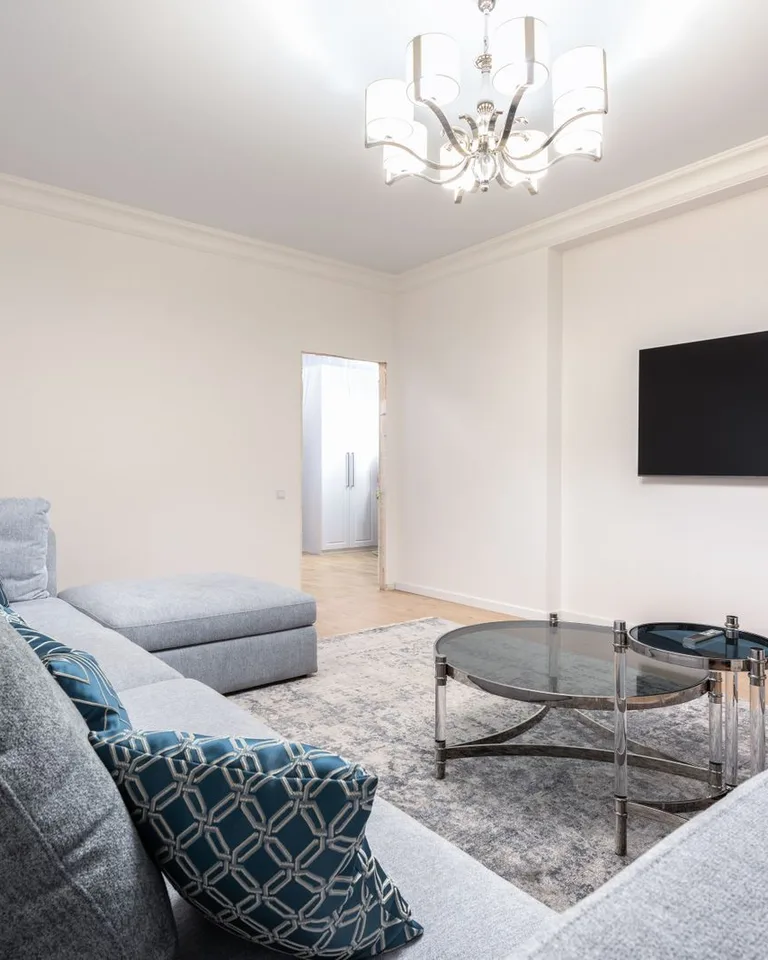
Not all bulbs are equal in a light-starved home. Full-spectrum or “daylight” bulbs (5000K–6500K) replicate the color of natural daylight far better than standard warm bulbs, making colors look true and rooms feel sunlit. Use them in task areas — kitchens, bathrooms, home offices, reading corners — where you want alert, natural-feeling light.
Balance the warmth: Pure daylight bulbs everywhere can feel clinical. The designer trick is mixing: daylight bulbs where you work and read, warm white (2700K–3000K) in lamps and accent lighting where you relax. You get the brightness of daylight with the coziness of evening light, and you can switch the mood by choosing which lamps to turn on.
4. Paint Walls Warm White — Not Stark White

Here’s the counterintuitive truth designers repeat constantly: stark, brilliant white often looks gray and dingy in rooms with no natural light, because there’s no sunlight to make it glow. Warm whites with a hint of cream, peach, or yellow reflect artificial light far more flatteringly and actually read as brighter. Soft pastels — pale peach, buttery cream, warm greige — do the same job with more personality.
Don’t forget the ceiling: Paint the ceiling a shade lighter than the walls (or bright white in a flat finish) and it visually lifts, making the whole room feel taller and airier. In a truly dark room, the ceiling is the largest reflective surface you have — treat it accordingly.

5. Clear and Dress Your Windows for Maximum Light
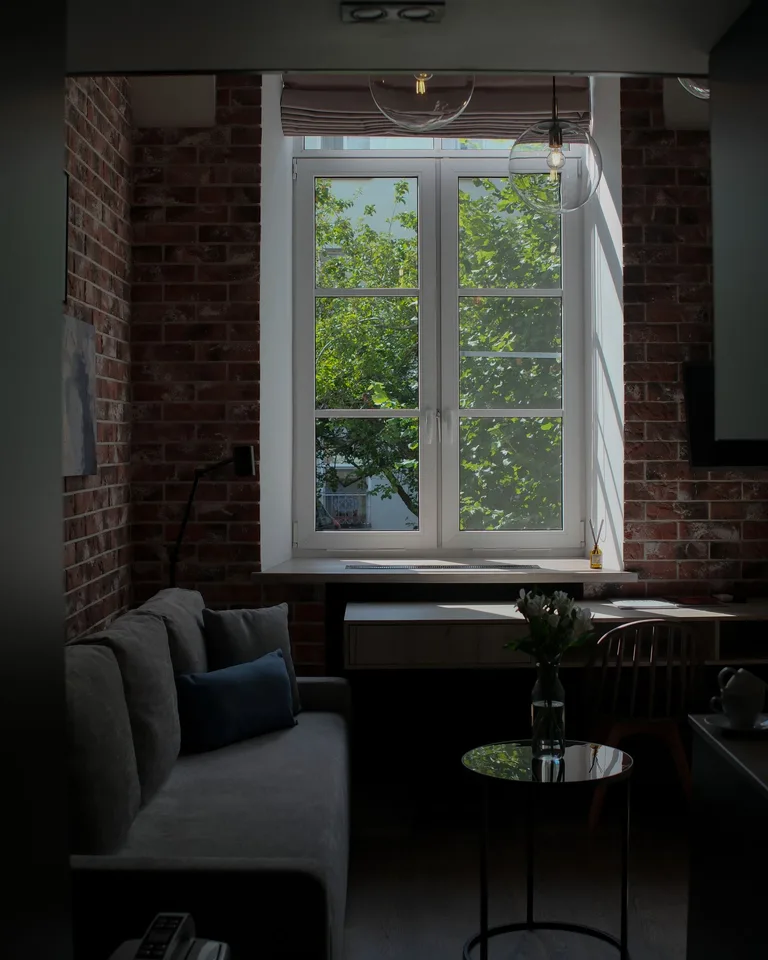
Many dark homes are darker than they need to be because the windows are working at half capacity. Start with the obvious: wash the glass inside and out (dirty windows block a shocking amount of light), trim any bushes or branches outside, and move tall furniture away from window walls. Then rethink coverings — heavy drapes eat light even when open because the stacked fabric covers the glass edges.
The sheer solution: Replace heavy curtains with sheer white panels that diffuse light while preserving privacy, or use top-down/bottom-up shades that let light in from above while blocking sightlines below. If privacy is the issue, frosted window film gives you daylight without the view — inside or out. Every uncovered inch of glass counts.
6. Put Lamps in the Dark Corners

Dark corners are what make a room feel small and gloomy — the eye reads unlit corners as the room “ending.” A floor lamp, especially a torchiere style that throws light upward, erases those dead zones and visually pushes the walls outward. Place one in every corner that your overhead light doesn’t reach.
The uplight trick: Light aimed at the ceiling bounces down as soft, diffuse glow that mimics skylight far better than a downward-facing lamp. Arc floor lamps do this beautifully over seating areas, and they’re a renter-friendly way to get “overhead” light without an electrician. Pair them with the right ceiling treatment and the whole upper half of the room brightens.
7. Open Up the Floor Plan

Light can’t travel through walls. In a dark home, every interior wall is a dam holding back whatever daylight exists. If a wall between rooms isn’t load-bearing, removing it — or even just widening the doorway — lets light from the brightest room flow into the darkest one. Open-plan living isn’t just a style preference in a dark home; it’s a lighting strategy.
Smaller moves count: Can’t remove walls? Replace a solid interior door with a glass-paneled one (frosted for bedrooms and bathrooms), remove doors entirely from rooms that don’t need them, or cut an interior transom window above a doorway. Each opening is a new path for light. Planning structural changes? Start with how to plan a home renovation before you pick up a sledgehammer.
8. Choose Light, Leggy Furniture

Heavy, dark furniture absorbs light and visually crowds a dim room. Swap in pieces that let light pass through and around: sofas and chairs on raised legs (light flows underneath), glass or acrylic coffee tables, open-backed bookcases instead of solid hutches, and pale upholstery in whites, creams, and light grays. The room instantly feels airier because sightlines stay open.
The visual-weight rule: In a dark room, every piece of furniture should earn its footprint. A glass-topped table “disappears” while a dark wood one anchors gloom. You don’t need to replace everything — start with the largest pieces, since they dominate how light or heavy the room feels.
9. Bring In Low-Light Houseplants

Plants do something no lamp can: they make a room feel alive, which the brain reads as bright and healthy. And plenty of plants genuinely thrive in low light — pothos, snake plants, ZZ plants, peace lilies, and ferns all tolerate dim conditions. A few well-placed plants transform a sterile dark room into a space with energy.
Fake the sun if you must: In a truly windowless room, even low-light plants struggle. A small full-spectrum grow bulb in a nearby lamp keeps them happy and doubles as extra room lighting. And if a corner is truly hopeless, one high-quality faux plant is better than a dying real one — just keep it dusted, because dusty fakes scream neglect.
10. Add Metallic and Reflective Accents

Every reflective surface in a dark room is a tiny mirror working in your favor. Brass and gold picture frames, mirrored trays, glossy ceramics, metallic lamp bases, and glass decor all catch and scatter whatever light exists. You don’t need a disco ball — just a deliberate layer of shine across the room.
Where it counts most: Concentrate reflective pieces near your light sources — a mirrored tray under a table lamp, metallic frames flanking a sconce — so they amplify the brightest points in the room. Satin and semi-gloss paint finishes on trim and doors do the same work on a larger scale.
11. Keep the Ceiling Your Brightest Surface

The ceiling is the largest single surface in most rooms, and in a dark home it’s usually an afterthought. Painting it bright white — or at minimum a shade lighter than the walls — bounces light downward instead of absorbing it. Avoid textured “popcorn” finishes if you can; they trap light in their shadows, while a smooth flat-white ceiling reflects it.
Bonus move: If you have any recessed or track lighting, aim a few heads at the ceiling rather than the floor. A glowing ceiling reads as skylight to the eye and lifts the entire room in a way no table lamp can match.

12. Lighten Up Textiles and Rugs
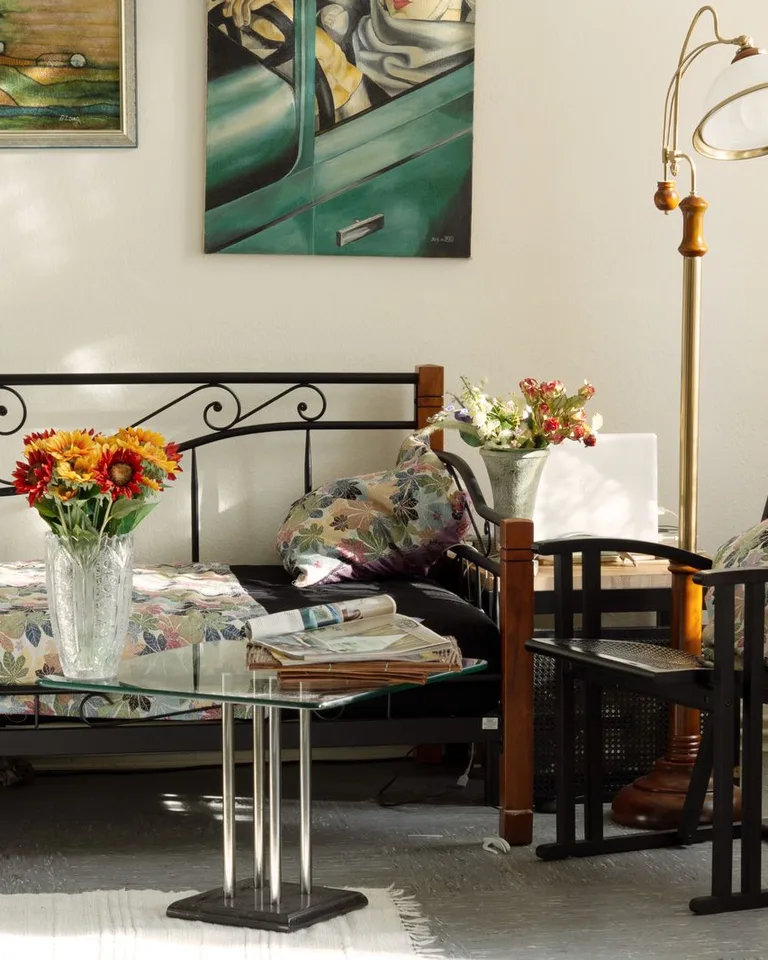
Textiles cover a huge amount of visual area — sofa, chairs, curtains, rug, bedding, pillows — and in a dark room, dark textiles double down on the gloom. Shifting to light upholstery, pale rugs, and airy curtains is one of the highest-impact changes you can make without touching a wall. A light rug alone can transform how bright a dark floor feels.
Work with what you have: Can’t replace the sofa? Light slipcovers, pale throw blankets, and light-colored pillows get you 80% of the effect for a fraction of the cost. In bedrooms, white or cream bedding against a darker headboard keeps the room feeling fresh — a trick dark-room bedroom designs use in reverse.
13. Create One Warm Focal Glow
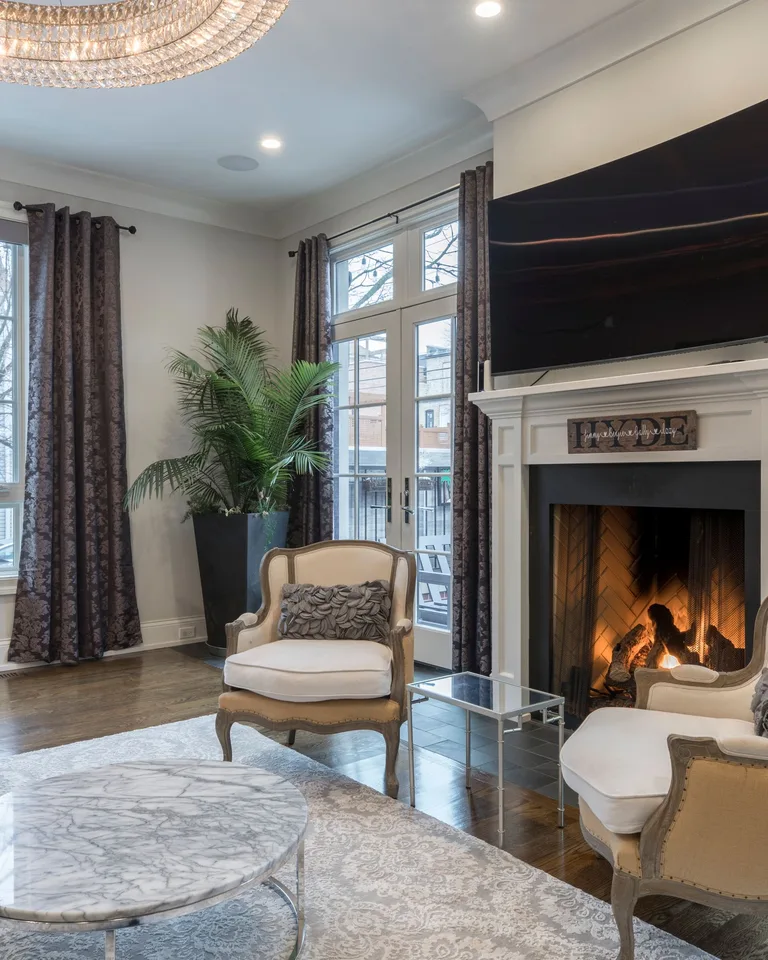
A room with no natural light still needs a “sun” — one warm, inviting focal point that draws the eye and anchors the space. A fireplace is the classic answer, but a cluster of candles on the mantel, a glowing salt lamp, or a well-styled bar cart with a picture light above it does the same job. The eye needs somewhere to land, and a warm glow beats a dark void every time.
Why it works psychologically: Humans associate warm light with fire, sunset, and safety. One deliberate warm focal point makes the whole room feel intentional and cozy rather than merely dim — it’s the difference between “dark” and “moody” as a design choice.
14. Embrace the Dark — Go Moody on Purpose

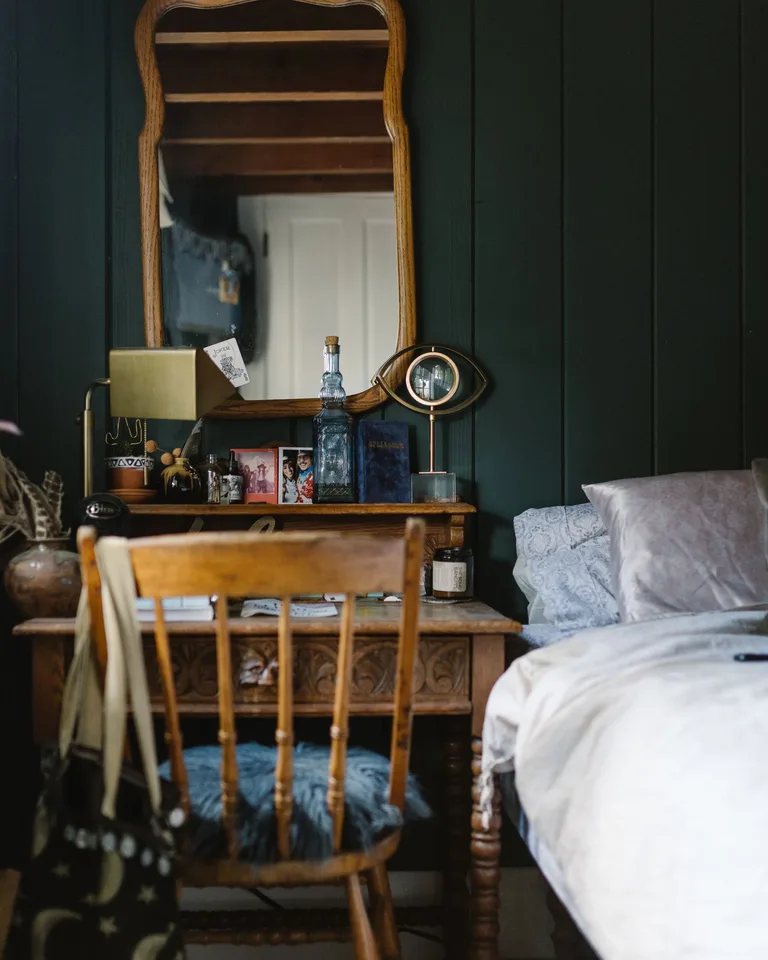
Here’s the contrarian designer move: if a room truly gets no light, stop fighting it. Deep, rich colors — charcoal, forest green, navy, chocolate — with warm layered lighting create a cocooning, luxurious feel that light colors can never achieve in a dark space. Think libraries, speakeasies, and boutique hotel bars: darkness as atmosphere, not accident.
Commit fully: The moody look only works with intention — rich paint, warm bulbs (2700K), velvet or leather textures, and plenty of lamplight. A half-hearted dark room looks dingy; a committed one looks expensive. This is also the answer for windowless bathrooms and hallways where brightening is a losing battle.
15. Borrow Light with Reflective Flooring

Floors are the most overlooked reflective surface in a dark home. Light-colored hardwood, pale tile, or even a large light rug bounces light upward onto walls and ceilings, effectively giving you a second light source for free. Dark carpet, by contrast, swallows light whole — it’s the single darkest choice for a light-starved room.
Renter-friendly version: A large pale area rug over dark flooring captures most of the benefit with zero commitment. Choose low-pile rugs in creams, light grays, or natural jute — they reflect more light than dark or heavily patterned options and make the floor feel like part of the brightness strategy. Above the sofa, the right wall decor in light frames continues the reflective story upward.
Frequently Asked Questions
How can I brighten a room with no natural light?
Layer your approach: add multiple light sources at different heights, hang mirrors to multiply existing light, paint walls a warm white, and choose light, reflective furnishings. No single trick transforms a dark room — it’s the combination of layered lighting, reflective surfaces, and light colors that creates the perception of brightness.
What is the best paint color for a room with no windows?
Warm whites and soft pastels with creamy or peachy undertones — they reflect artificial light flatteringly instead of turning gray like stark white does. If the room gets truly zero light, consider going the opposite direction with a rich, moody color and warm layered lighting for a deliberate, cozy atmosphere.
Do mirrors really make a dark room brighter?
Yes — mirrors don’t create light, but they redistribute it, which is often all a dark room needs. A large mirror opposite a window or beside a lamp effectively doubles that light source’s reach. For maximum effect, use the largest mirror the space allows and place it where it catches actual light, not in an already-dark corner.
What light bulbs best mimic natural daylight?
Full-spectrum or “daylight” bulbs rated 5000K–6500K come closest to natural daylight color. Use them in task areas like kitchens, offices, and reading spots. For living spaces, mix daylight bulbs in overhead or task fixtures with warm white (2700K–3000K) bulbs in accent lamps — you get natural-feeling brightness with cozy, livable warmth.
A dark home isn’t a design sentence — it’s a design brief. Work through these 15 strategies, layering light sources, reflective surfaces, and thoughtful color, and even the gloomiest room can feel bright, warm, and completely intentional.