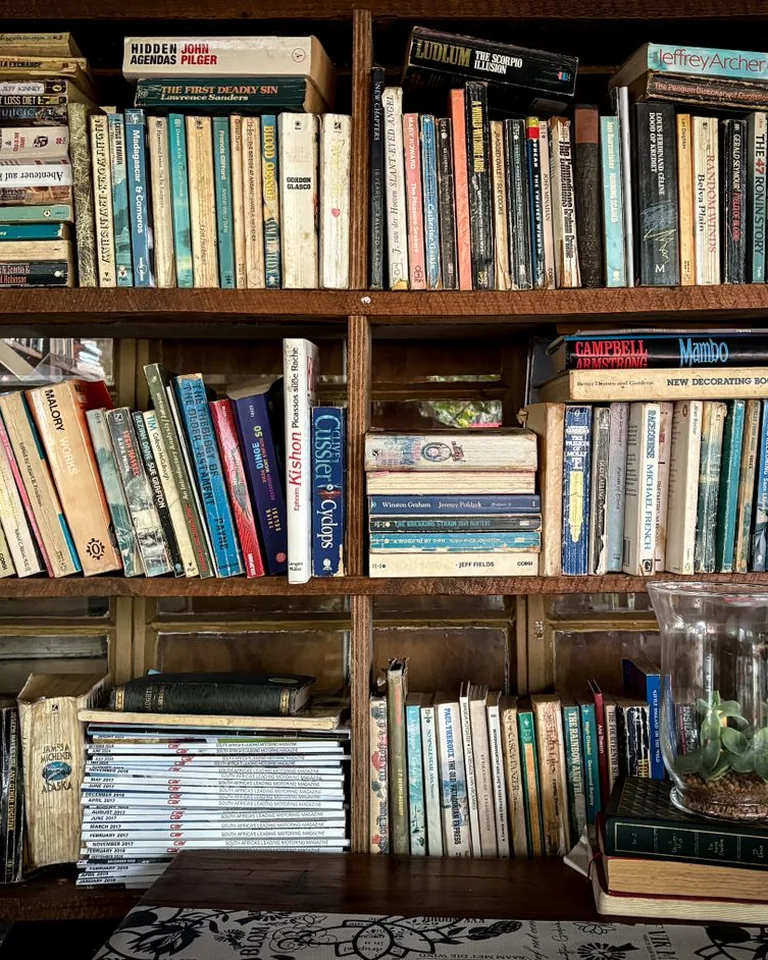
16 Cottagecore Aesthetic Ideas to Turn Your Home Into a Storybook Cottage
The cottagecore aesthetic is a love letter to slow living: floral prints, worn wood, things made by hand, and rooms that feel gathered over decades instead of decorated in a weekend. It’s less a strict style and more a feeling — stepping inside should feel like exhaling.
These 16 cottagecore aesthetic ideas work room by room, and most of them start with what you already own. The throughline is simple: natural materials, vintage character, and nature brought indoors.
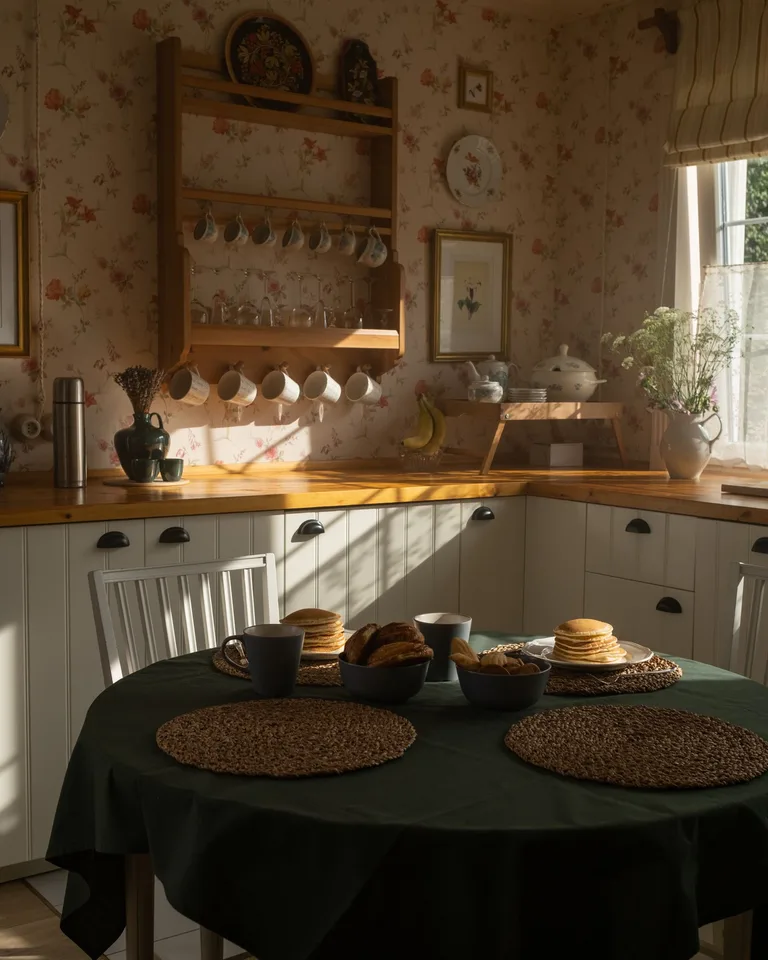
1. Paper One Wall in Floral Wallpaper
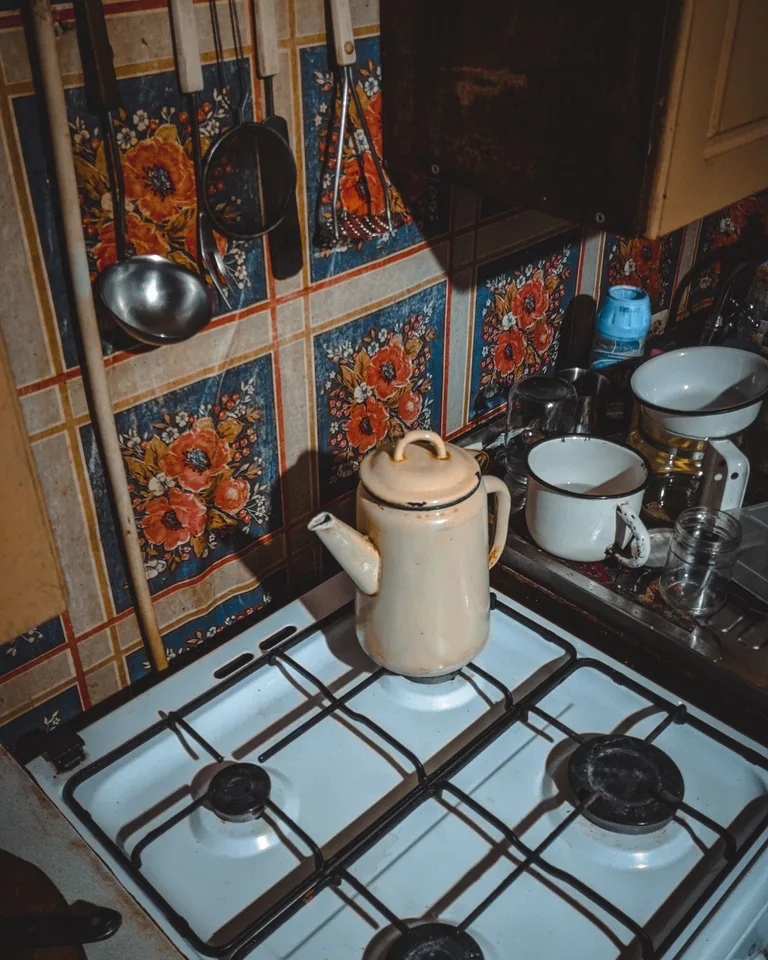
Nothing says cottagecore faster than a floral wall. In kitchens it sits beautifully behind open shelving or a stove; in bedrooms it belongs behind the bed. Small ditsy prints feel authentically vintage, while oversized botanicals lean romantic. Either way, keep the rest of the room quiet so the wall can carry the pattern.
Peel-and-stick options have made this renter-friendly and commitment-free. One accent wall is enough — four walls of dense floral can overwhelm a small room.
2. Style Open Shelves With Vintage Kitchenware

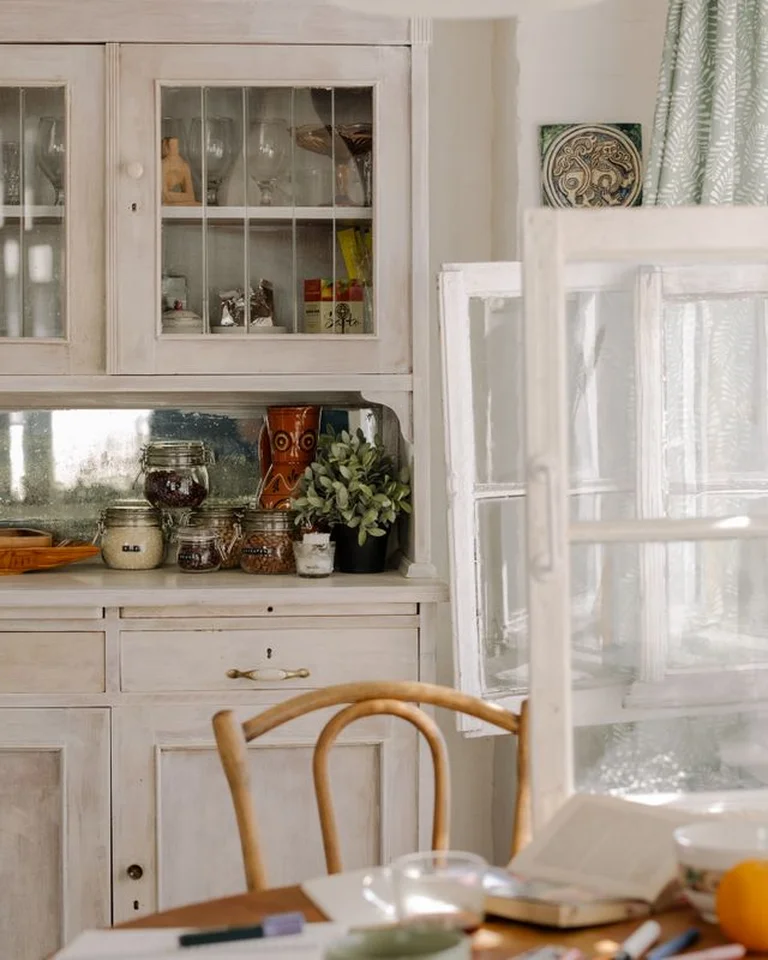
Replace a run of upper cabinets — or just style the shelves you have — with mismatched vintage dishes, floral mugs, and glass jars of dry goods. The cottagecore shelf is curated but not precious: stack bowls, line up pitchers, and let a trailing plant spill over the edge.
Keep everyday items at arm’s height and the purely decorative pieces up high. If dust bothers you, reserve open shelving for things you use weekly so they get washed in rotation.
3. Hang Pots and Pans Like Decor
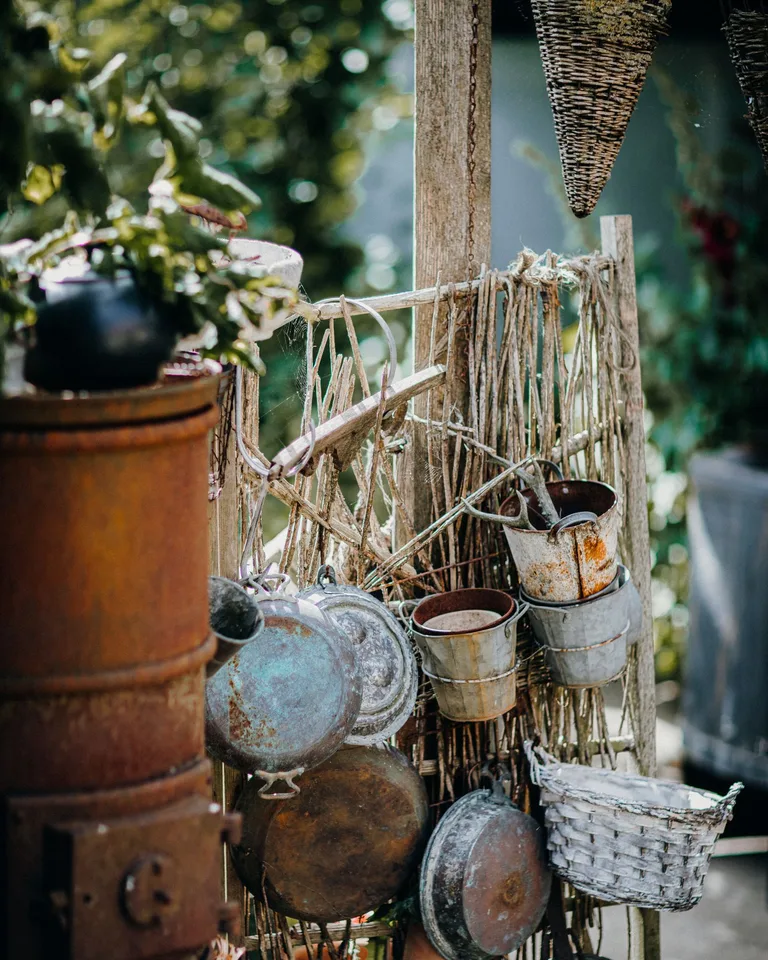
Copper pots, cast iron skillets, and enamelware hung on a wall rail or from ceiling hooks are pure cottagecore — beautiful tools on display. It frees cabinet space and puts the prettiest cookware where you can see it, which is the whole philosophy: useful things should be lovely.
A simple wooden rail with S-hooks costs almost nothing to install. Hang the pieces you reach for most so the display stays functional, not just decorative.
4. Embrace Rustic Bones: Wood and Stone
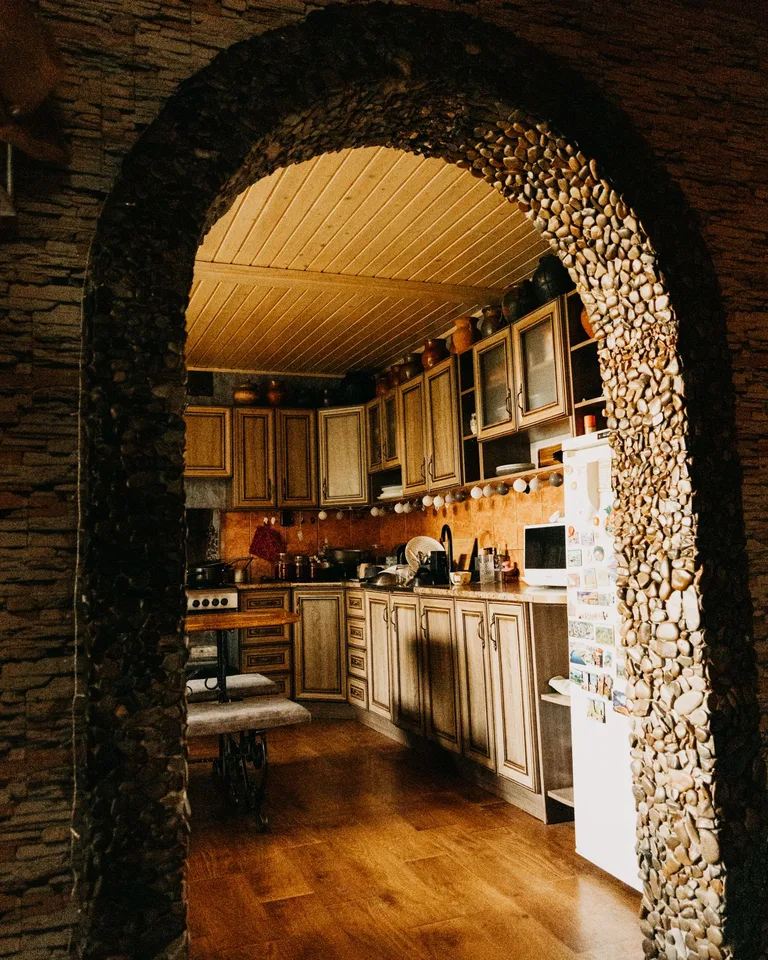
Cottagecore loves materials with a past: worn wooden beams, stone archways, scrubbed pine tables. You don’t need a 200-year-old cottage — a reclaimed-wood shelf, a stone-look backsplash, or even just leaving wooden furniture unpainted moves a modern room toward the aesthetic.
When buying new, choose pieces with visible grain and matte finishes over glossy or lacquered ones. The goal is texture you can feel, not showroom shine.
5. Make Baking Part of the Decor
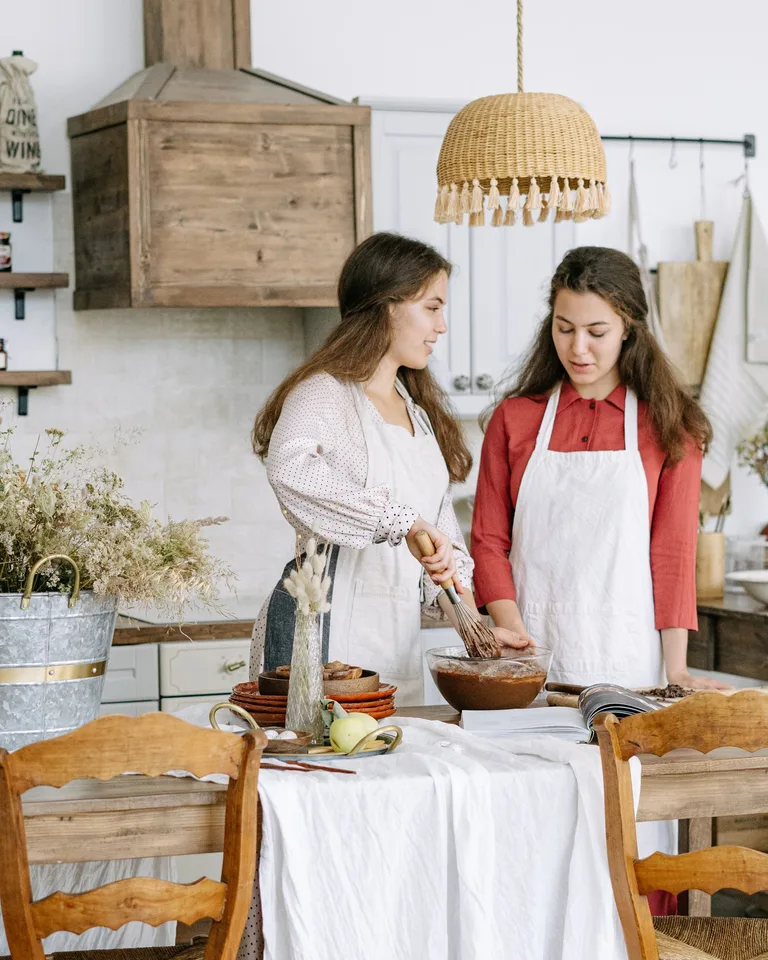
In cottagecore, the lifestyle is the decor. A floured countertop, a cooling rack of bread, a jar of sourdough starter on the counter — these are styling moments no store can sell you. Bake something on the weekend and let the kitchen look (and smell) lived in.
Keep a few beautiful baking tools visible: a wooden rolling pin, a ceramic mixing bowl, linen aprons on hooks. They signal that this kitchen actually cooks. For more kitchen inspiration, browse these cottagecore kitchen ideas.
6. Create a Slow-Morning Coffee Corner
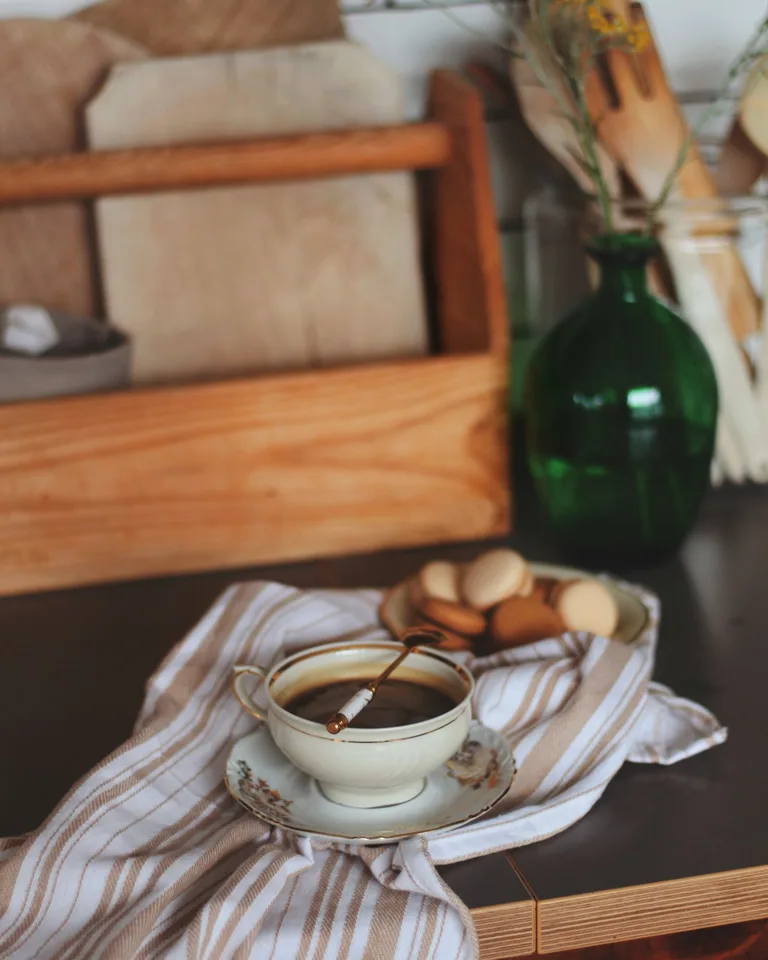
Dedicate one small counter or tray to the morning ritual: a French press or moka pot, two favorite mugs, a tiny vase. Corralled on a wooden tray, even a basic coffeemaker looks intentional. This is cottagecore’s slow-living ethos in a two-square-foot vignette.
Add one natural element — a sprig of eucalyptus, a small potted herb — and the corner feels styled rather than merely functional.
7. Style Still Lifes With Fruit and Flowers
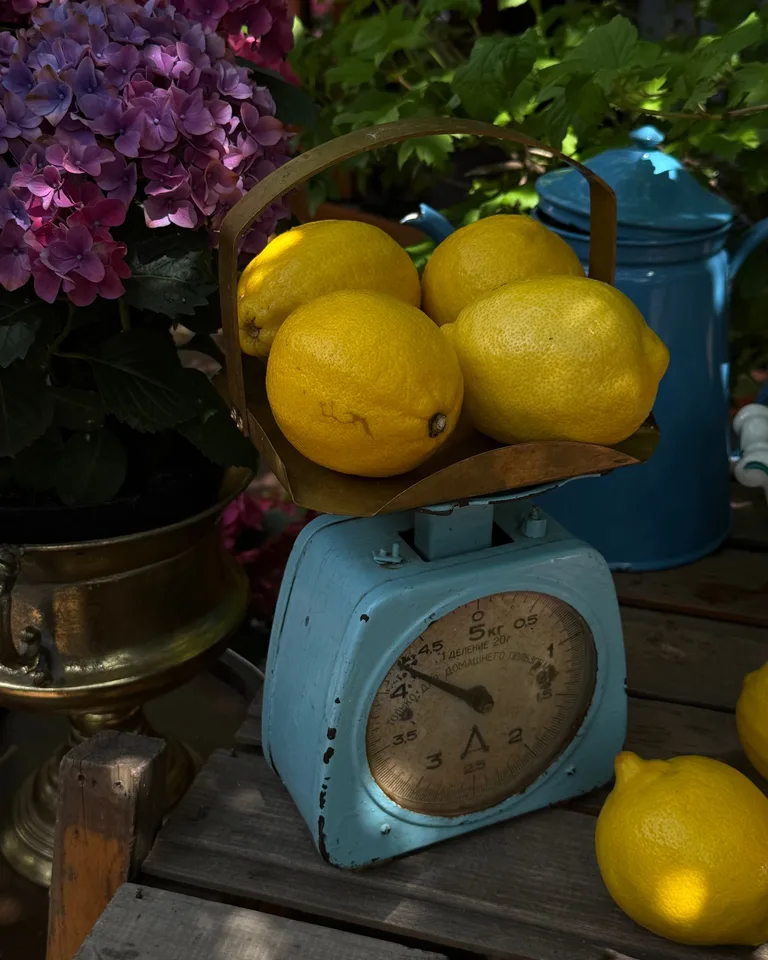
A bowl of lemons on a vintage scale, hydrangeas in a jug, apples piled in a wooden bowl — cottagecore tablescapes are edible still lifes. They change with the seasons, cost almost nothing, and make the whole room feel abundant.
The formula is simple: something natural (fruit, flowers) + something vintage (scale, brass, worn wood) + good light. Rotate the produce weekly and the vignette never gets stale.
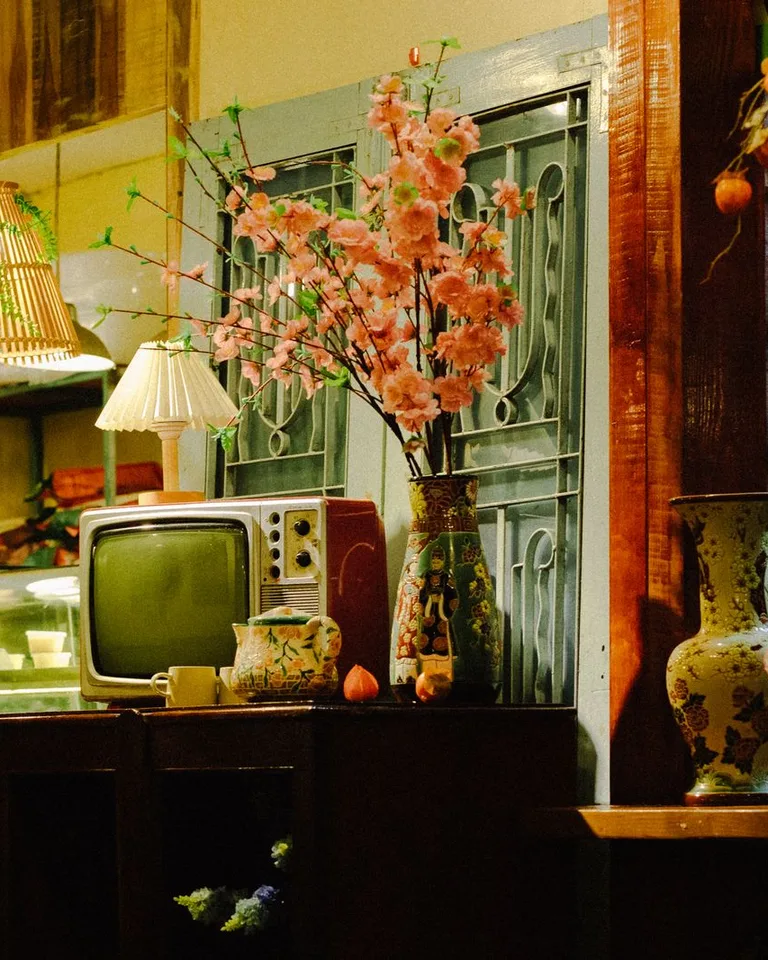
8. Display Kitchenware on a Wooden Rack
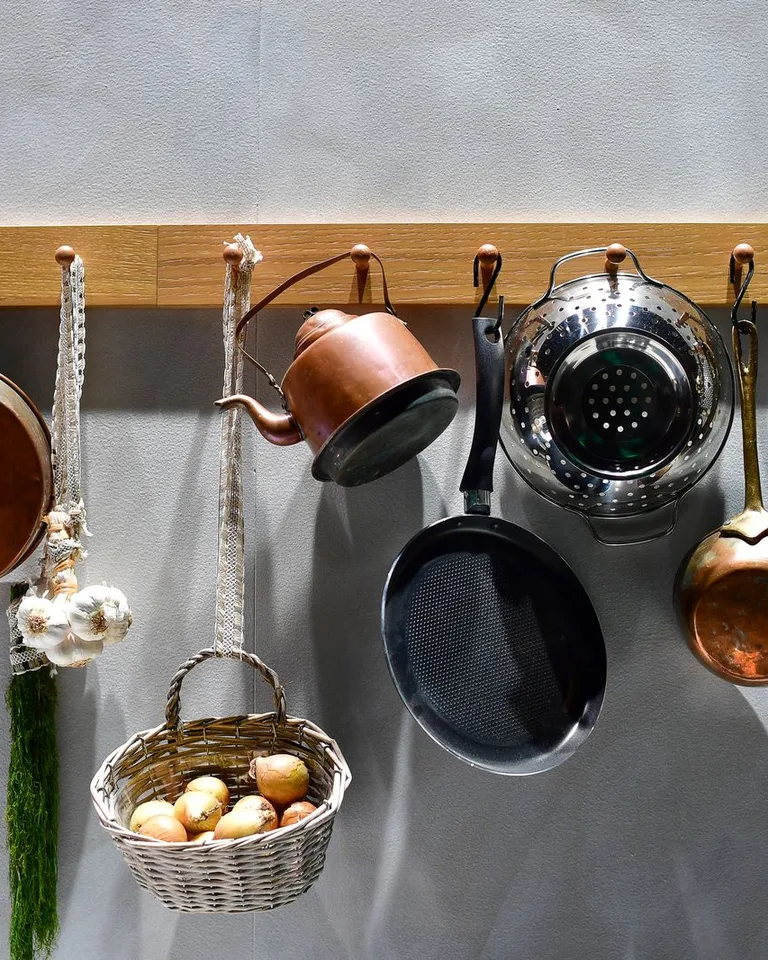
A plate rack, mug rail, or simple wooden shelf turns everyday dishes into wall art. Cottagecore kitchens rarely hide everything behind cabinet doors — the pretty, worn, handmade things live where you can see them.
Group by color family rather than matching sets: creams together, blues together. The slight mismatch is what makes it feel collected instead of purchased.
9. Add a Plant-Filled Cafe Corner
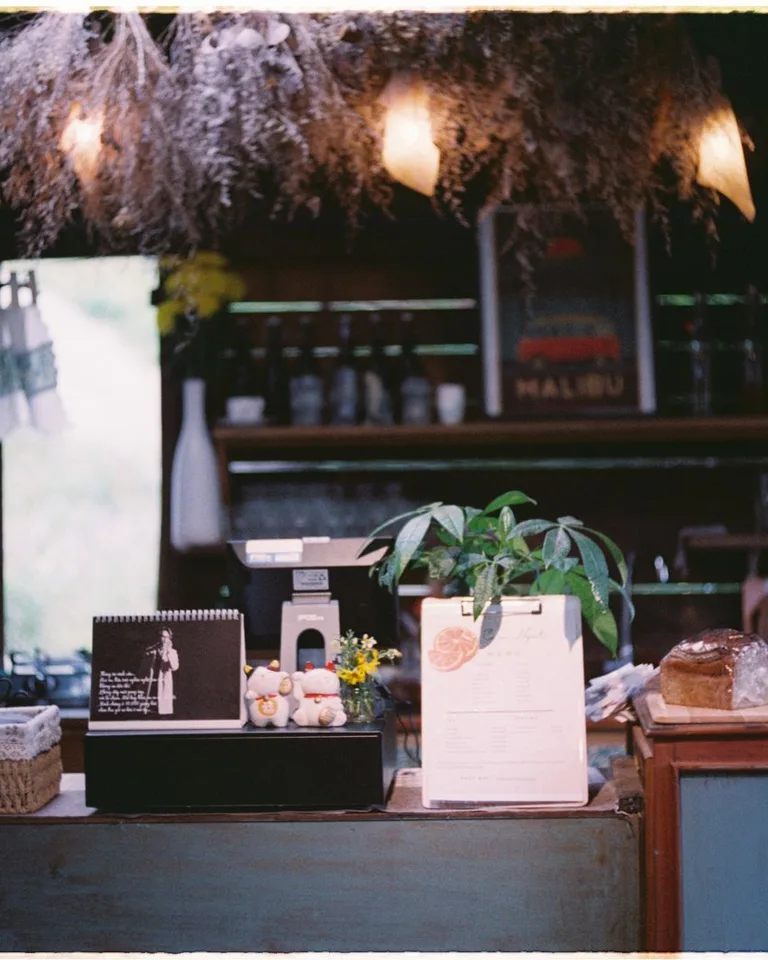
Cluster potted herbs and trailing plants on a small table, windowsill, or bar cart to create a green corner that feels like a village cafe. Terracotta pots, mismatched ceramics, and one dramatic trailing pothos do most of the work.
Herbs pull double duty — basil, thyme, and rosemary look cottagecore and season your cooking. Keep them in the sunniest spot you’ve got and water when the top inch of soil dries.
10. Put Fresh Flowers at the Sink

The prettiest cottagecore kitchens have flowers in the most hardworking spot in the room. A jar of tulips or daisies by the sink turns dishwashing into something almost pleasant, and it guarantees you see flowers a dozen times a day.
Use a vessel you already own — a jam jar, a small pitcher — and change the water every two days. Grocery-store bunches split across three small jars look more abundant than one big arrangement.
11. Serve From a Flower-Filled Pitcher

A ceramic pitcher doing double duty as a vase is a cottagecore signature. Fill it generously — blooms and a little fruit, stems at different heights — and set it on the dining table as a permanent centerpiece. It should look like you arranged it in ninety seconds, because you did.
White or cream pitchers are the most versatile; they work with every flower color through every season. Flea markets always have them for a few dollars.
12. Keep Bread on a Wooden Board

A loaf of bread resting on a wooden board on the counter is decor that happens to be dinner. Sourdough’s rustic crust looks especially at home, but any good loaf works. Drape a linen cloth over it and the vignette is complete.
This is the cottagecore ideal in miniature: something homemade, something natural, nothing wasted. A bread box keeps it fresh while keeping the look.
13. Dry Flowers in a Window Pitcher
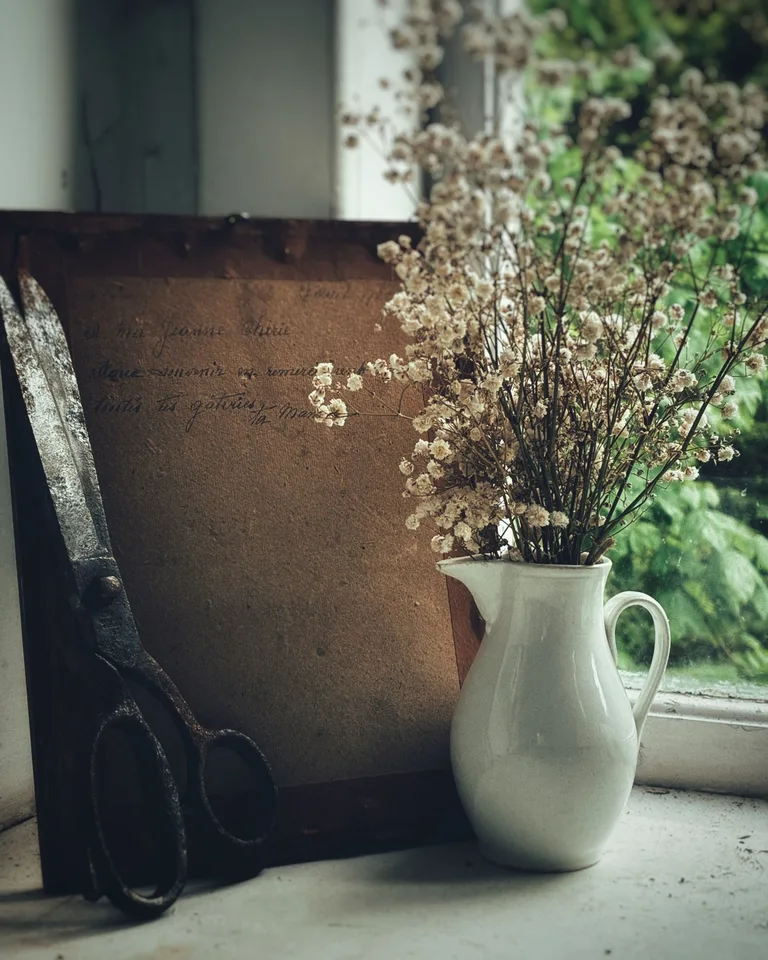
At summer’s end, hang bunches of flowers upside down for two weeks, then arrange them in a white pitcher on the windowsill. Dried hydrangeas, lavender, wheat, and statice keep their shape and color for months, carrying the garden indoors through winter.
Keep dried arrangements out of direct sun so the colors don’t bleach, and give them a gentle shake outdoors now and then to dust them.
14. Stock Shelves With Pottery and Produce
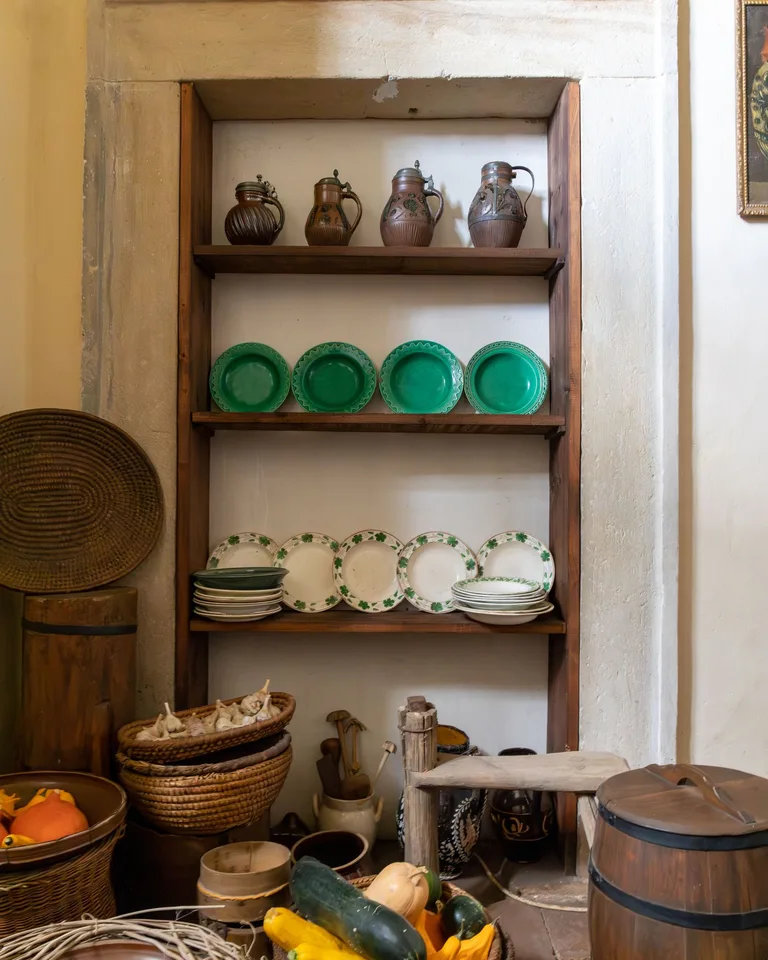
Handmade pottery next to baskets of vegetables is the cottagecore pantry-shelf look: food as decoration, craft as storage. Woven baskets corral onions and potatoes beautifully; open bowls show off apples and squash.
If a full pantry overhaul feels like too much, start with one shelf. Decant one dry good into a glass jar, add a basket, and you’ll see how quickly the look comes together. These small walk-in pantry ideas build on the same principle.
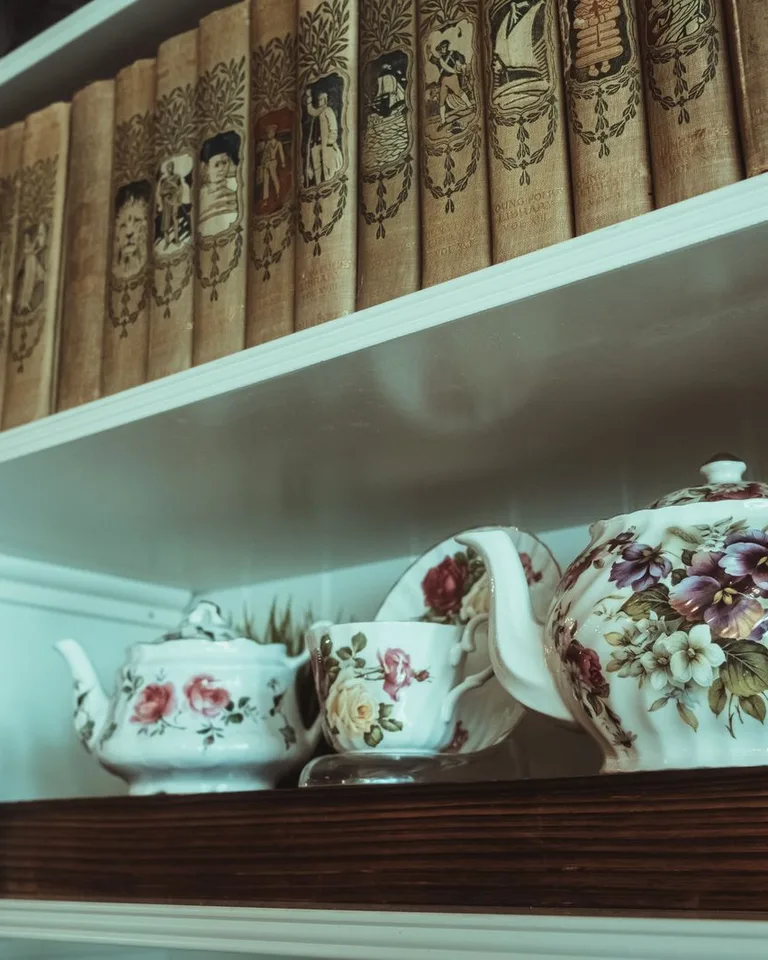
15. Collect Floral Teapots and Mugs

A shelf of floral teapots and mismatched mugs is both collection and decor. You don’t need a complete set — in fact, you shouldn’t want one. One chintz teapot, a few floral mugs from different eras, and the shelf tells a story.
Display the pieces you love most at eye level and use them regularly. A teapot that’s never used is just clutter; one that’s poured every Sunday is cottagecore.
16. Line-Dry Linens Where You Can See Them
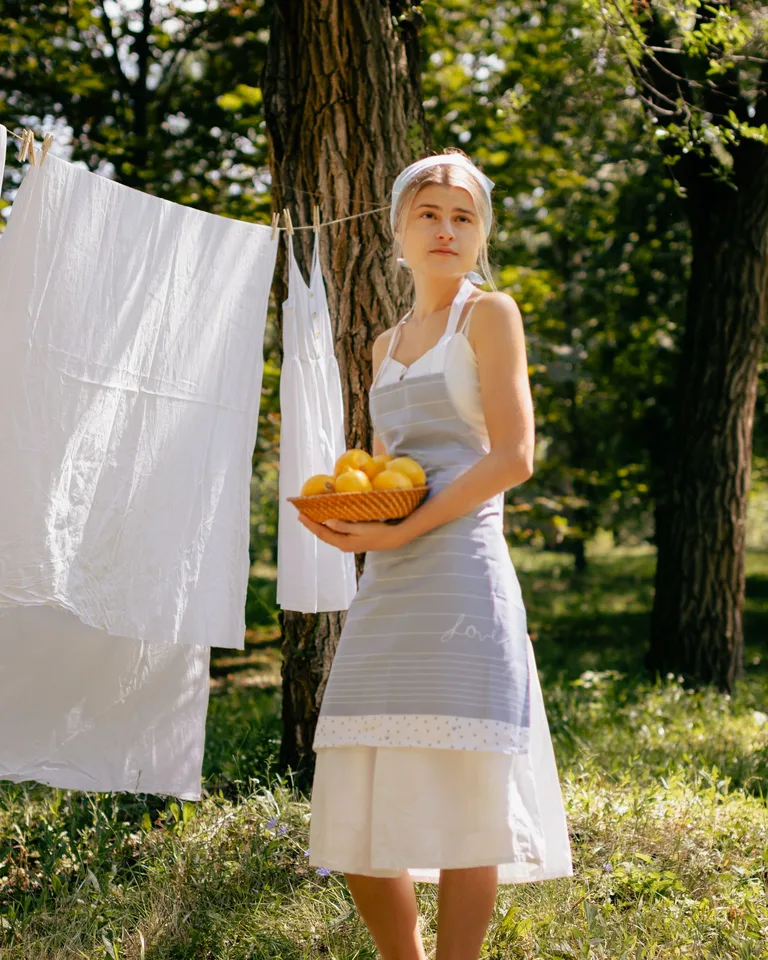
White linens billowing on a line is the cottagecore image that launched a thousand Pinterest boards. If you have any outdoor space, a simple retractable line pays for itself in free drying and unbeatable atmosphere. No yard? A wooden drying rack by a sunny window gives you the same look indoors.
Linen napkins, tea towels, and pillowcases dry fastest and look the prettiest on the line. Shake each piece before hanging to cut down on wrinkles.
Frequently Asked Questions
What is the cottagecore aesthetic?
It’s an interior (and lifestyle) aesthetic romanticizing rural, old-fashioned life: vintage furniture, floral prints, handmade and natural materials, and nature indoors. Think storybook cottage rather than modern farmhouse — softer, more romantic, deliberately imperfect.
What colors define the cottagecore aesthetic?
Muted, nature-derived tones: cream, sage, dusty rose, faded blue, warm white, and soft browns. Patterns stay small-scale and faded. One or two deeper accents — forest green, rust — keep it from feeling washed out.
How do I make my home look cottagecore on a budget?
Thrift first: vintage dishes, quilts, baskets, and brass are cheap secondhand. Then DIY the big-impact, low-cost moves — peel-and-stick floral wallpaper, foraged flower arrangements, and restyled open shelves. Paint you already own transforms more than anything you can buy.
What’s the difference between cottagecore and farmhouse style?
Farmhouse is cleaner and more neutral — shiplap, black accents, “gather” signs. Cottagecore is softer and more romantic — florals, lace, collected vintage, visible craft. Farmhouse says “modern country”; cottagecore says “storybook past.”
Is the cottagecore aesthetic still popular?
Yes — it has settled from trend into a lasting style, especially for kitchens, bedrooms, and gardens. Its emphasis on thrifted, handmade, and sustainable choices keeps it relevant well beyond a typical decor cycle.
Where should I start with cottagecore decor?
Start with textiles and nature: swap in floral or linen bedding, hang one piece of botanical art, and put fresh or dried flowers where you’ll see them daily. These small moves establish the feeling before you spend on furniture. For the walls, these ideas to fill a blank wall without buying art fit the thrifty spirit, and wall decor ideas help style the living room to match. A budget bookshelf wall also suits the collected, bookish side of the look.