18 Cottagecore Kitchen Must-Haves for a Cozy Vintage Country Look
A cottagecore kitchen is built from a small set of essentials: an apron-front farmhouse sink, open wooden shelving, a freestanding wooden work table, warm metals like brass and copper, mismatched vintage china, natural textiles, and living plants. Get these elements right and even the most ordinary kitchen starts to feel like a cozy countryside cottage.
This guide covers 18 genuinely distinct cottagecore kitchen must-haves, with the practical detail each one deserves — what it is, why it earns its place, what to look for, and how to add it without a renovation. Most of these ideas cost little, and several cost nothing at all.
The Farmhouse Apron-Front Sink
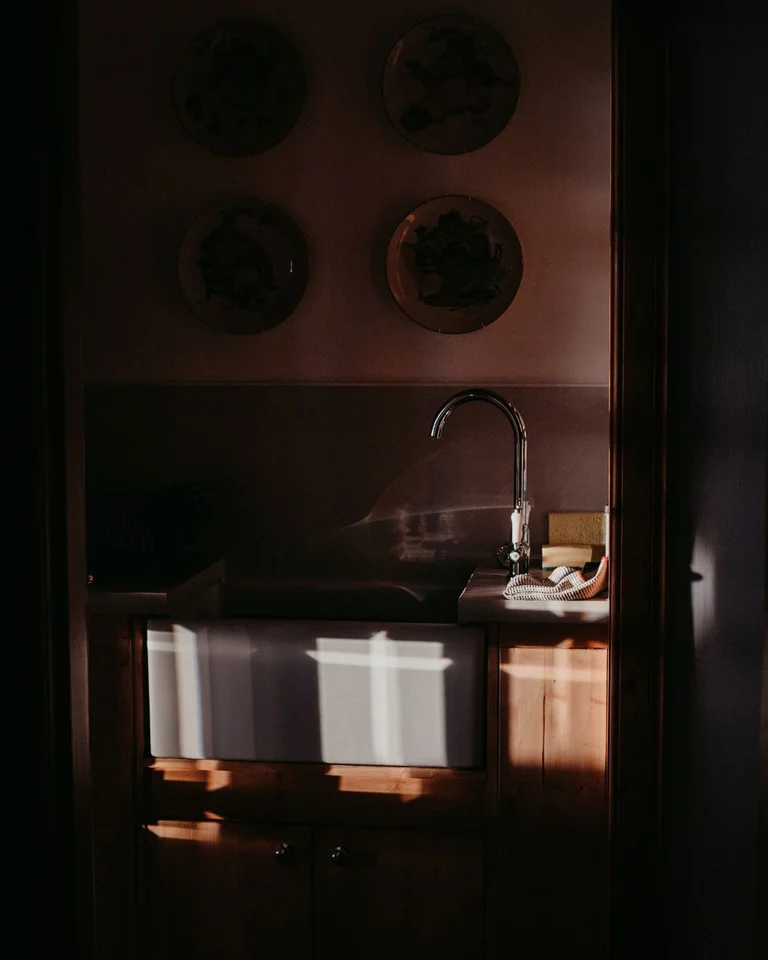
No single fixture says cottagecore like an apron-front sink. The exposed front panel — originally designed so cabinetmakers could fit a big basin into simple wooden cabinets — reads as instantly old-fashioned in the best way. Deep fireclay or cast-iron basins are the classic choices, and they handle oversized pots and stockpots without complaint.
If replacing the sink is out of the question, you can echo the look: choose a faucet and a sink strainer in warm finishes, and flank the sink with wooden cutting boards and a potted herb. The goal is a workhorse sink area that looks like it belongs to someone who cooks, not a showroom.
Open Wooden Shelving for Everyday Dishes
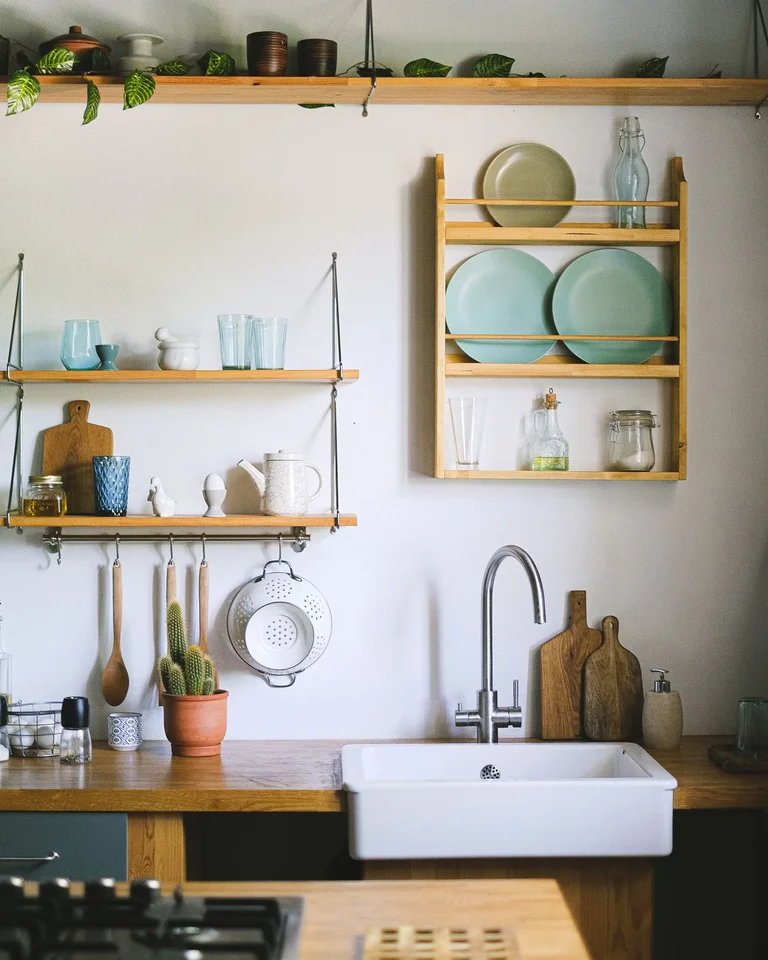
Closed upper cabinets hide everything; open shelves display it. Replacing even one bank of wall cabinets with two or three natural wood shelves changes the entire feel of the room, because suddenly you are looking at stacked plates, glass jars, and wooden bowls instead of flat cabinet doors.
Use solid wood rather than laminate — pine or reclaimed boards add the warmth, and thick brackets in a dark metal keep it sturdy. Leave breathing room between stacks and tuck a small potted herb or a single small vase of wildflowers at the end of one shelf. That little touch of green is what separates a styled cottage shelf from plain storage.
A Freestanding Wooden Work Table

Before the kitchen island existed, there was the wooden work table — a chunky, scarred, butcher-block-topped surface where all the real cooking happened. A freestanding table (or a butcher’s block on casters, if space is tight) breaks up the run of fitted cabinetry and gives the room the unfitted, gathered-over-time look of an old cottage.
Use it the way it was meant to be used: roll dough on it, park a wooden bowl of fruit there, tuck a crate of potatoes underneath. A table that actually works for a living develops the patina that makes cottagecore feel authentic rather than staged.
A Brass or Vintage-Style Faucet

Chrome and stainless read sharp and modern; brass, bronze, and aged gold read warm and old-world. Swapping cabinet knobs and the faucet is a screwdriver-and-wrench job, yet it visibly softens the whole sink area — one of the most looked-at spots in any kitchen.
One practical tip before you buy: pick up a single knob or handle first and live with it under your kitchen’s actual lighting for a day. Metal finishes look very different under cool white LEDs than under warm bulbs, and cottagecore wants the warm read.
Mismatched Floral China

Matched dinner sets belong to minimalism. Cottagecore wants floral plates that do not match each other — teacups from one era, a stack of bowls from another, an old jug with a faded rose pattern. The mismatched quality is the point: it signals a collection gathered over decades, not a set bought in an afternoon.
Charity shops and flea markets are full of exactly this for pennies. Look for stoneware and ironstone alongside fine china; weight and durability matter for daily use. And use them daily — nothing kills the cottage feel faster than pretty dishes sealed behind glass.

Copper Cookware Hung in Sight
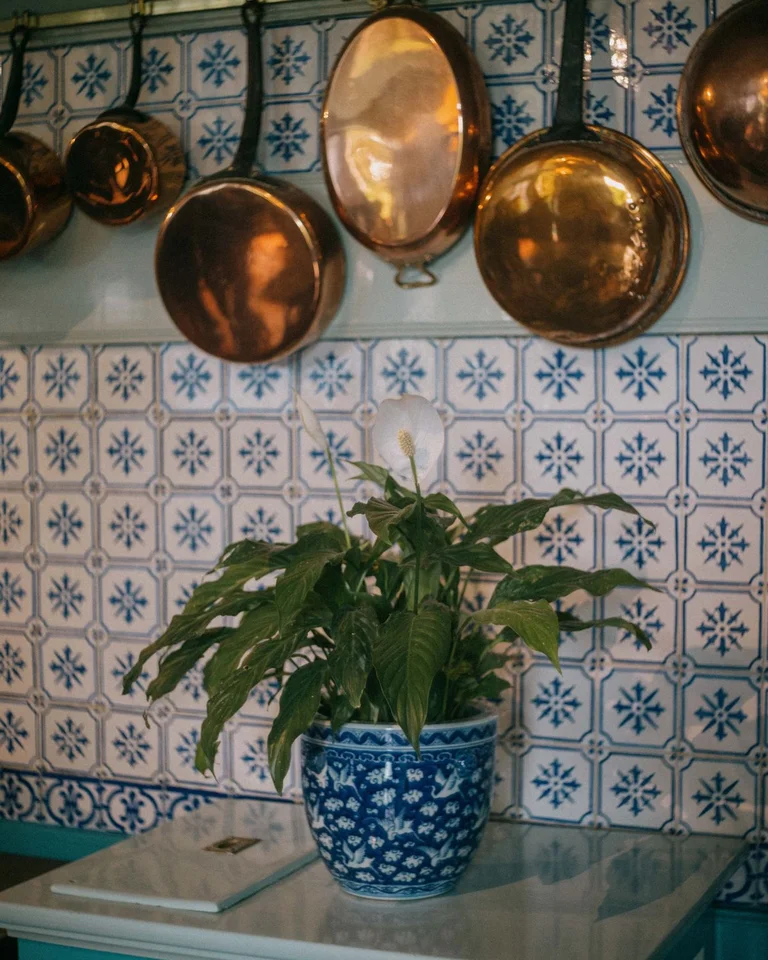
Copper is the warm metal that belongs in a kitchen. A wall-mounted rail or small ceiling rack loaded with copper pans is functional art: the warm surfaces catch light beautifully and develop a lovely patina with use. Hanging them also frees cabinet space — genuinely useful in small kitchens.
You do not need a full set. Two or three copper pieces mixed in with your existing stainless steel and cast iron make a noticeable difference, and hanging them puts warm metal at eye level, exactly where the eye should rest.
Ceramic Canisters for Dry Goods
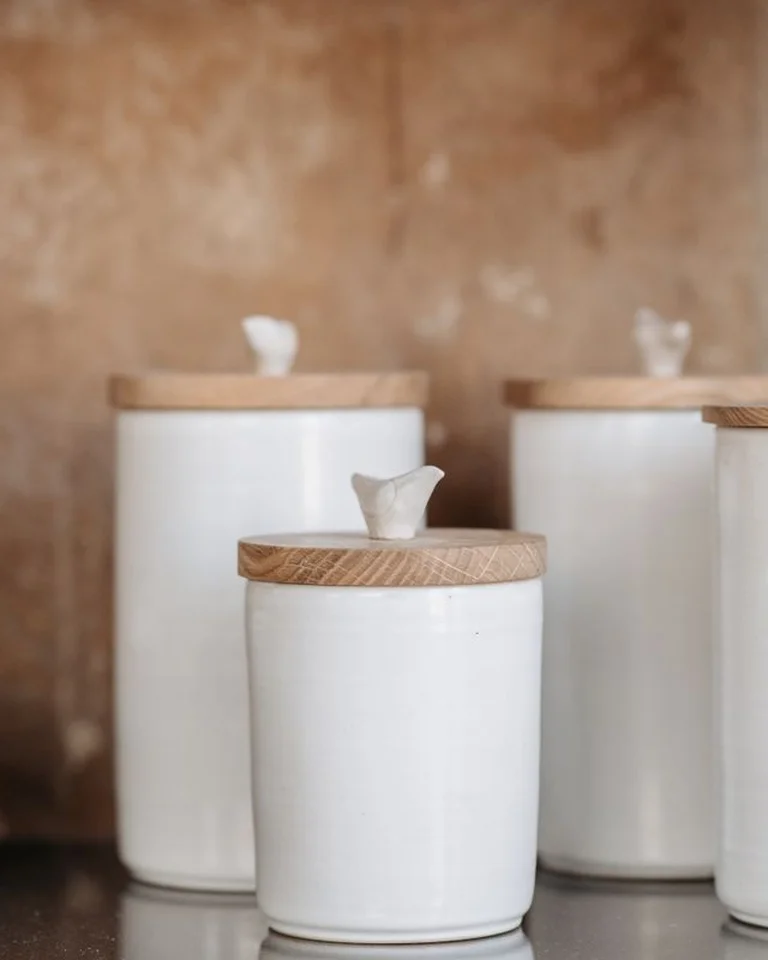
Get the flour, sugar, oats, pasta, and coffee out of plastic packaging and into ceramic or glass canisters with wooden or cork lids. Lined up on a counter or an open shelf, they look infinitely better than bags crammed in a cupboard — and they make the kitchen feel like somewhere things are genuinely made.
Clear glass jars work just as well for things like grains and dried beans, because the contents themselves become the decoration. Keep the lids consistent (all wood, all cork) and the row will look collected rather than cluttered.
Cast-Iron Cookware

Few things photograph — or cook — like a well-seasoned cast-iron skillet. It is the granddaddy of slow, homemade cooking: perfect for frying, baking, and anything that goes from stovetop to oven. A cast-iron Dutch oven in a deep red or cream enamel is equally at home in the look.
Care is part of the ritual and worth learning: dry it on heat after washing, rub in a thin coat of oil, and skip the dishwasher. A skillet that gets better every year is cottagecore in cookware form.
An Enamel Teapot
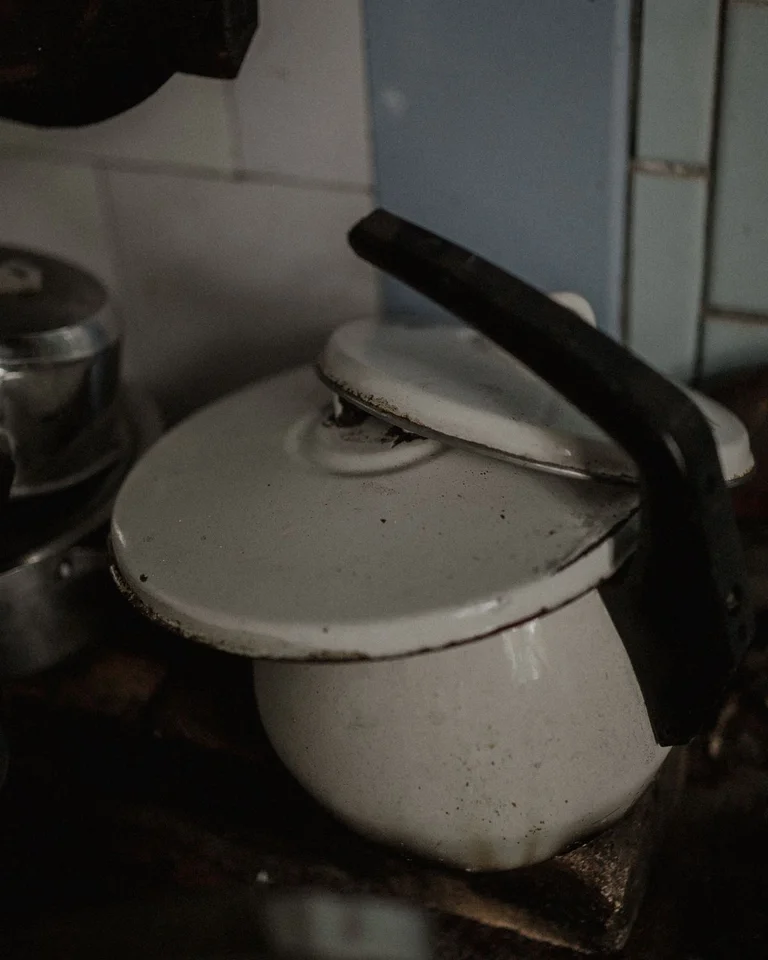
White enamelware with its dark rim — the teapot, the milk pitcher, the little mug — is farmhouse nostalgia distilled. Enamel pieces are lightweight, chip-prone, and completely unpretentious, which is precisely why they fit.
Choose pieces you will actually use: a teapot that pours cleanly, a pitcher sized for cream or flowers. Enamel teapots go straight on the stovetop, and the chipped edges only add character. Avoid brand-new pieces made to look artificially distressed; the real ones are cheaper at flea markets anyway.
Linen Tea Towels and Café Curtains
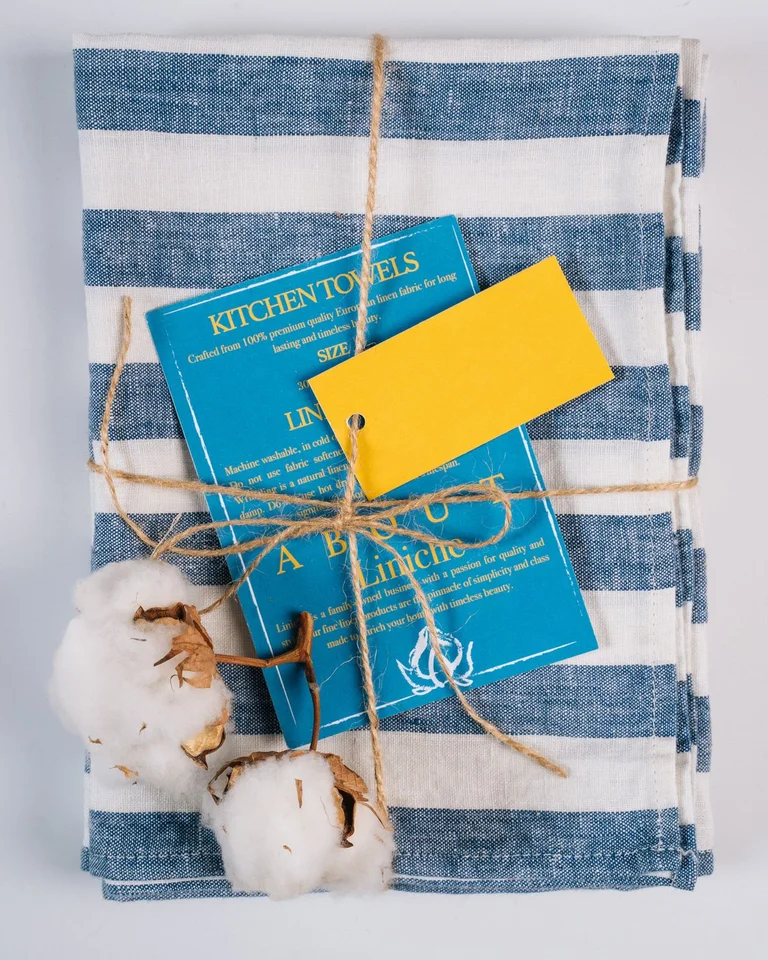
The kitchen is the least-soft room in most homes, which is a big part of why it can feel cold. Textiles fix that fast: linen tea towels over the oven handle, a gingham or floral café curtain at the window, a runner on the work table, a small rug underfoot.
Stick to natural fabrics with some texture — linen, cotton, a bit of lace — and mix a floral with a stripe or a check. That mixing is the classic cottagecore textile formula. Soft materials absorb sound too, so the room feels warmer to the ear as well as the eye.
Potted Herbs on the Windowsill
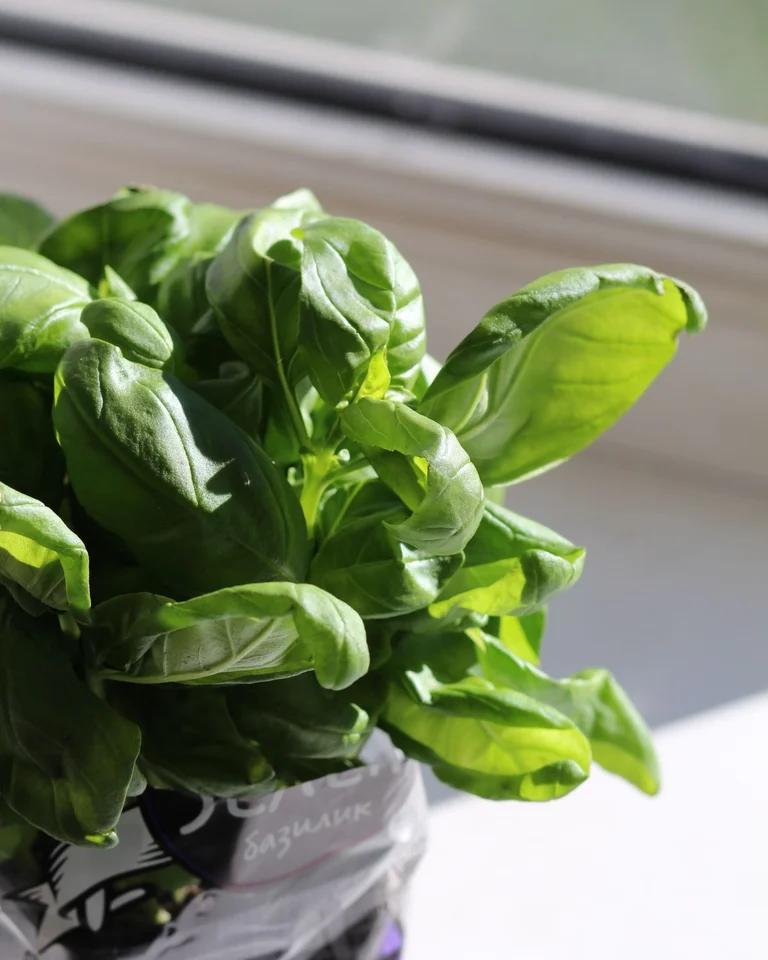
A windowsill of herbs is the cheapest genuine cottagecore move there is. Basil, rosemary, mint, thyme, and chives are beautiful and useful at once — ready to snip while you cook. Even one supermarket pot in a simple terracotta pot changes the character of a counter.
Most kitchen herbs want as much light as your brightest window offers, and pots with drainage set on a small tray or saucer. If a plant starts looking leggy, snip it harder; herbs grow back bushier from regular picking.
Wildflowers in a Glass Jug
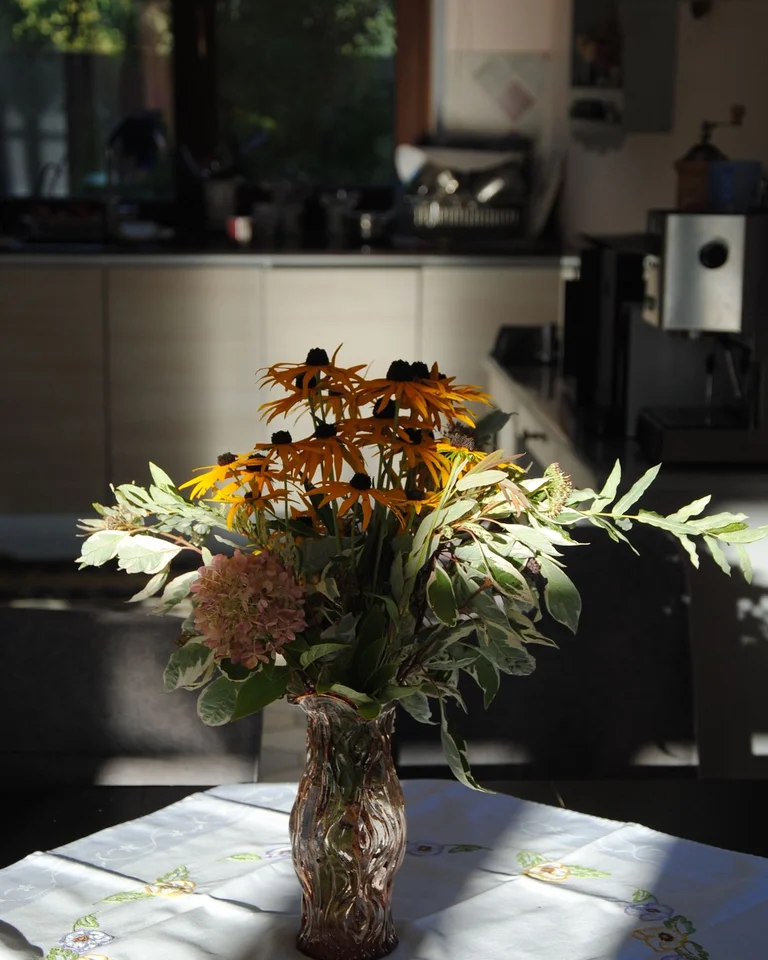
Nothing softens hard surfaces like a loose, just-gathered arrangement. A glass jug or old mason jar of wildflowers, garden blooms, or even snipped branches on the worktop brings color, softness, and life to a room full of straight lines.
You do not need florist flowers. Meadow grasses, a few garden roses, or a handful of daisies from the roadside do the job beautifully — the slightly wild, unarranged look is exactly what cottagecore favors over perfect bouquets.
Soft, Muted Cabinet Paint
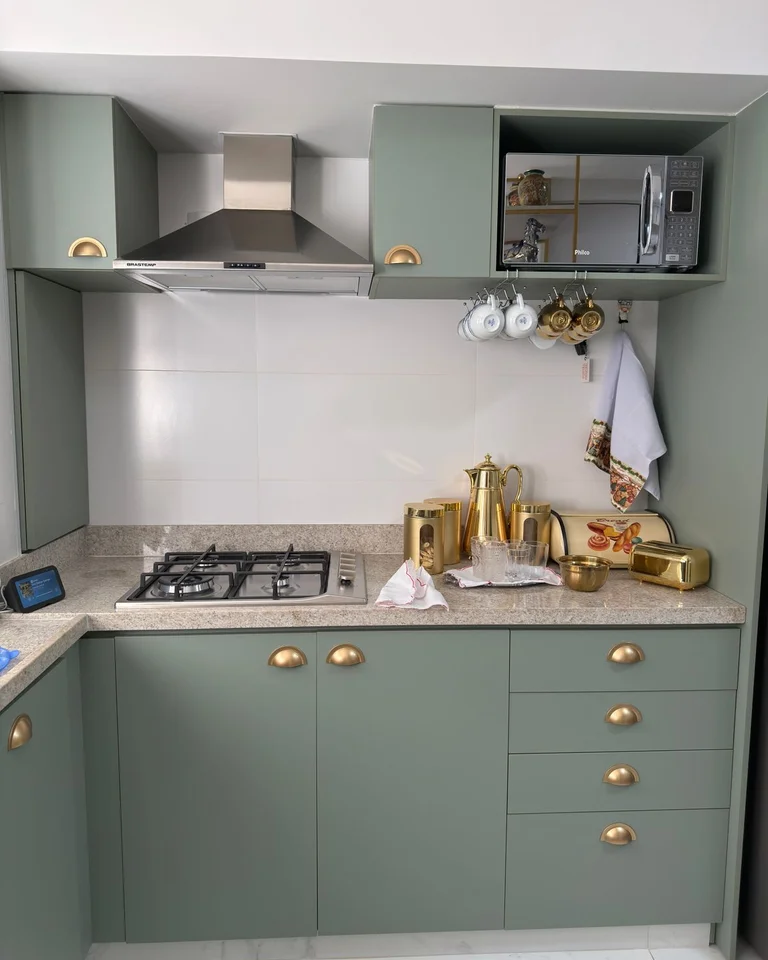
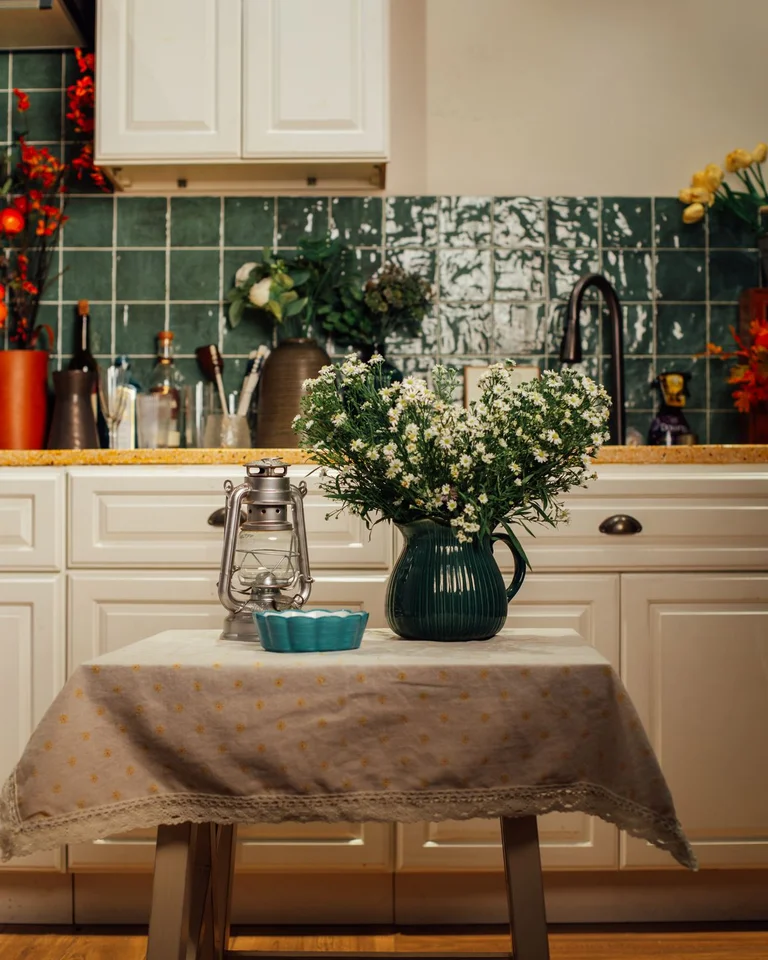
Cottagecore thrives on color that looks like it has been there for decades: sage green, muted olive, warm cream, soft butter yellow, dusty clay. If painting every cabinet feels like too much, try the two-tone approach — a muted green on the lower cabinets with warm white above adds depth while keeping the room bright.
Test your paint in the room before committing: sample pots look very different on a cabinet door under kitchen lighting than on a swatch card. And finish with warm metal hardware rather than chrome to keep the old-world read.
A Patterned Tile Backsplash

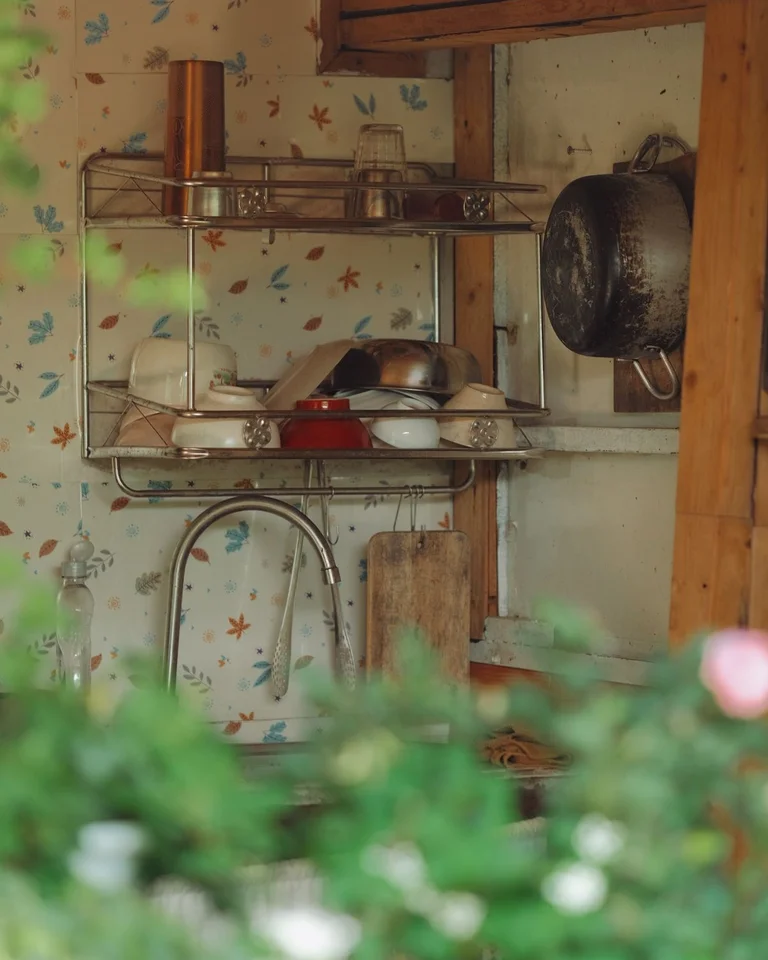
The wall behind the stove or sink is prime real estate. A handmade-look tile, a checkerboard, or a delicate floral pattern turns the most utilitarian wall in the kitchen into a feature. Pattern is one of the strongest cottagecore signals, and putting it in your sightline does a lot of work.
Retiling is a project, but peel-and-stick tile goes straight over most existing surfaces and comes off cleanly, which makes it a genuinely renter-friendly option. Choose a pattern with some irregularity — perfect geometric precision reads modern, not cottage.
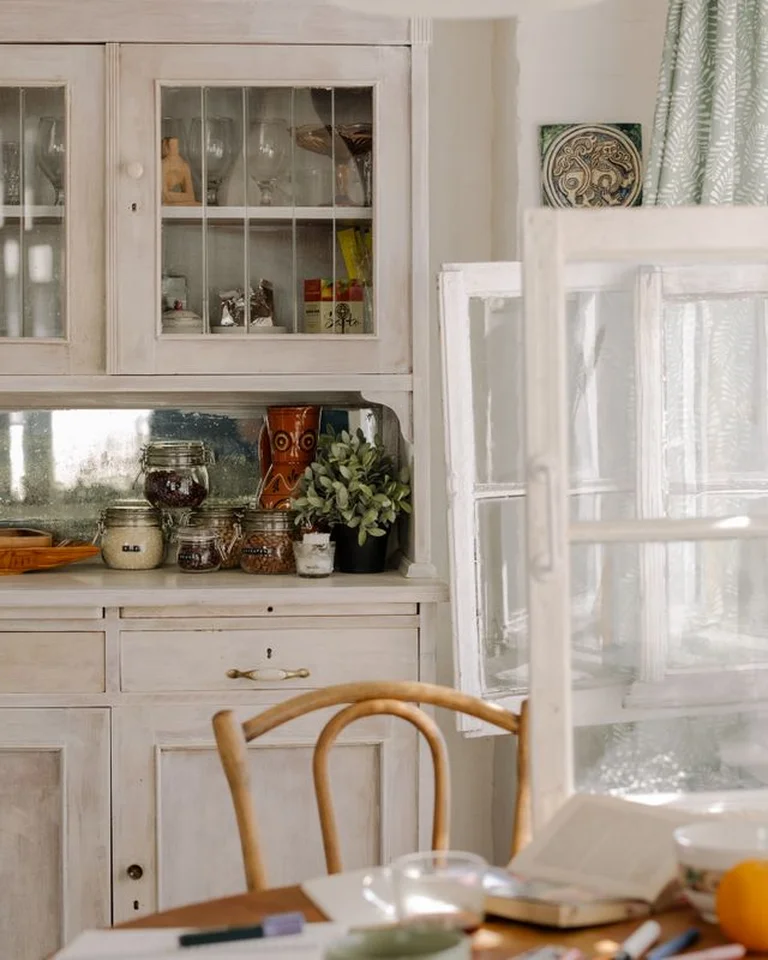
A Wooden Hutch for Display
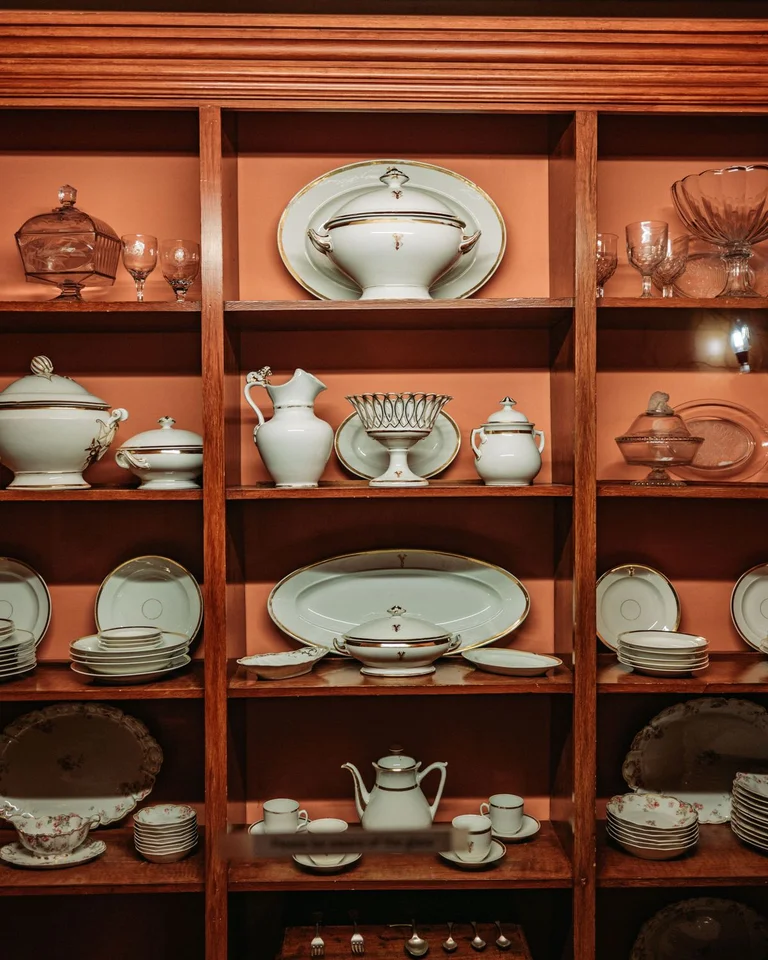
The freestanding hutch — glass-fronted dresser stacked with china above, drawers below — is arguably the ultimate cottagecore furniture piece. It breaks up the fitted look of a modern kitchen and gives your best pieces a proper stage.
If a full hutch is too big, a small vintage wall cabinet or a pine bookshelf does the same job on a smaller scale. The trick is restraint: display the pretty things, store the plastic ones, and leave a little air between items so it reads as collected rather than crammed.
Warm, Vintage-Style Lighting

Most kitchens are lit with bright, cool-white downlights — arguably the most clinical thing about them. Switching to warm-toned bulbs is a five-minute change that makes wood, china, and tile look instantly cozier, and it flatters everything on this list.
Then add one character fixture: a pendant with a fabric or glass shade over the sink, or even a small lamp on the counter. A lamp in a kitchen is a deeply cozy, very cottage move, and lower, layered lighting takes the glare off every hard surface.
Woven Baskets for Storage
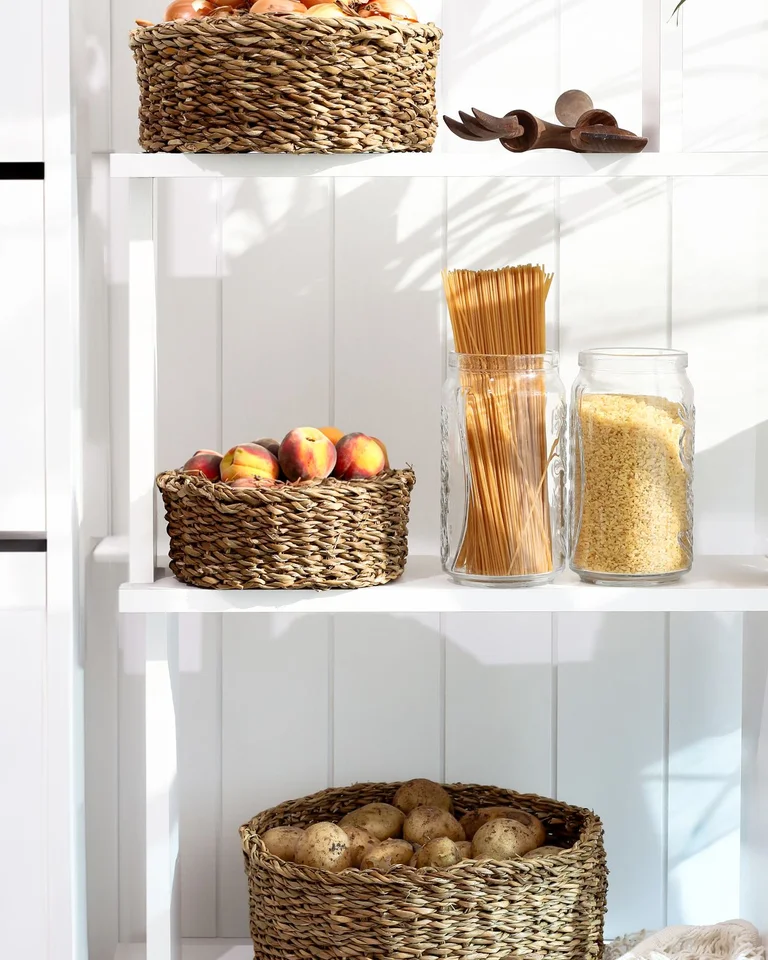
Wicker, rattan, and seagrass baskets add the natural texture cottage kitchens are built on — and they are genuinely useful. Use them for onions and potatoes, for a bread basket, for the overflow of fruit, or to corral the clutter on top of the fridge into something that looks intentional.
Line food-contact baskets with a linen cloth for a finished look, and keep sizes varied rather than uniform: a row of identical baskets reads as catalog styling, while mixed shapes read as a real working kitchen.
Retro-Styled Small Appliances

Your kettle, toaster, and mixer sit out on the counter all day, so they shape the room’s style more than most people realize. Retro-styled versions in creamy whites, soft pastels, or muted colors pull real visual weight — and they are a natural, no-waste replacement when your current ones give out.
Group them together on one section of counter rather than scattering them, so they read as an intentional vignette. A cream kettle and a pastel mixer clustered on a wooden board looks charming; the same appliances spread across three counters reads as clutter.
Cottagecore Kitchen FAQs
Can you create a cottagecore kitchen on a budget?
Absolutely — cottagecore may be the most budget-friendly style there is. Thrifted china and enamelware, herbs grown from supermarket pots, linen towels from fabric remnants, peel-and-stick tile, and a swapped faucet deliver most of the look for very little. The style rewards collected-over-time pieces, so buying nothing at first and thrifting slowly is actually the most authentic approach.
What colors work best in a cottagecore kitchen?
Soft, muted, and organic: cream and warm white as a base, sage green, dusty pink, soft butter yellow, dusty clay, and warm wood tones as accents. Avoid cold greys, stark whites, and large areas of high-gloss finishes — those push the room back toward modern.
Does a cottagecore kitchen work in a small kitchen or rental?
Yes. Most of the must-haves are portable or renter-friendly: a work table, open shelves (or even a leaning shelf), textiles, canisters, herbs, copper on a wall rail, warm bulbs, and peel-and-stick backsplash or wallpaper. The hutch, faucet swap, and painted cabinets can wait until you own the place.