15 Entryway Console Table Ideas That Make a Great First Impression
Your entryway is the handshake of your home — guests decide how the rest of the house feels in the first ten seconds. A console table is the hardest-working piece you can put there: slim enough for tight halls, but big enough to hold light, art, greenery, and the keys you always lose. The difference between a styled console and a cluttered one comes down to a few repeatable moves.
The short answer: anchor the table with a mirror or large artwork hung above it, build the surface in odd-numbered groupings with varied heights (a lamp, something green, something personal), leave breathing room, and give everything underneath a job — baskets, a bench, or closed storage. These 15 ideas show exactly how to put that formula to work in any style.
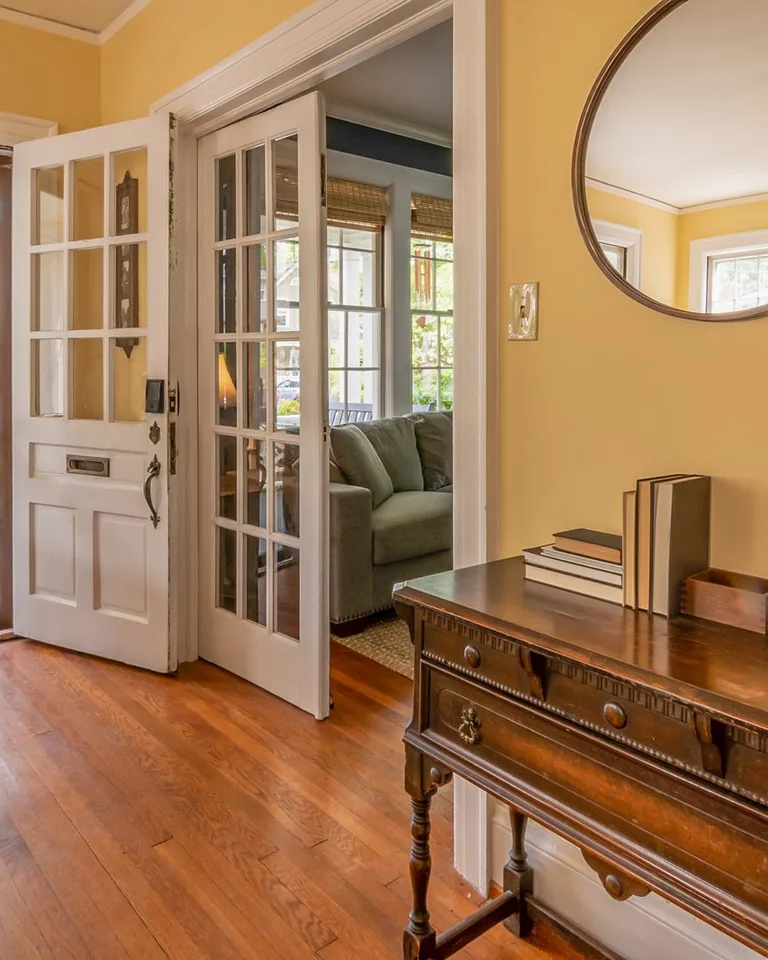
1. Anchor Everything With a Statement Mirror
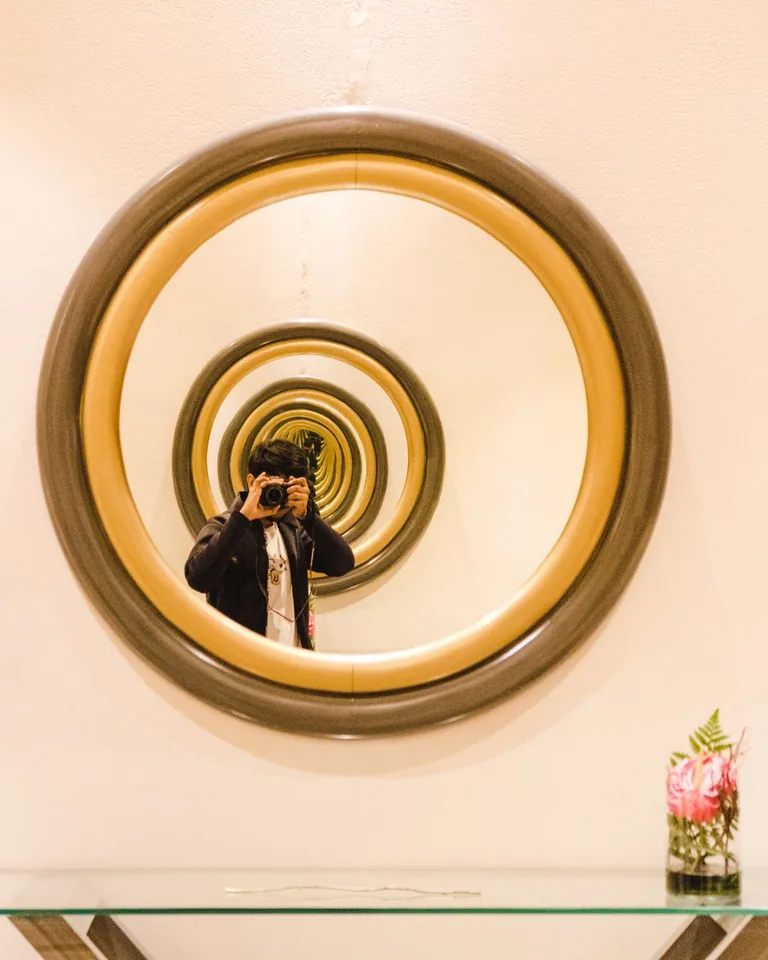
A mirror above the console is the classic move for a reason: it bounces light into what is often the darkest spot in the house, gives guests a last check before heading out, and visually doubles the styling effort below it. Go oversized — a large round mirror softens all the hard angles of a hallway. Hang it so its center sits roughly 57 to 65 inches from the floor, or about 6 to 8 inches above the tabletop.
2. Choose a Slim Console for Tight Hallways
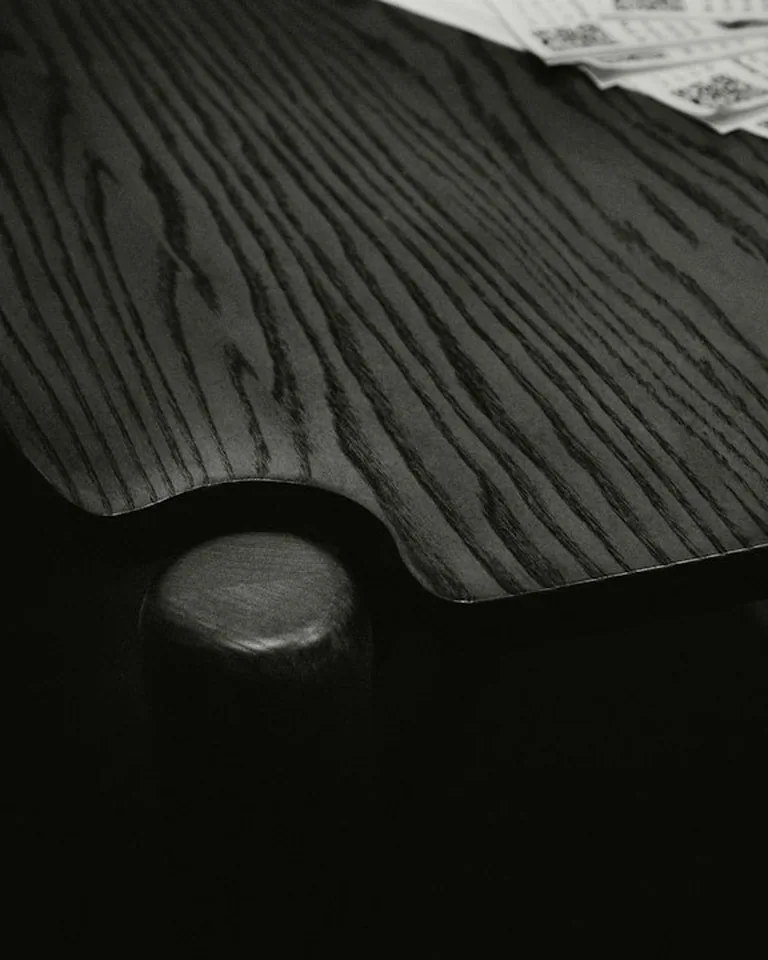
The right table matters more than the decor on it. For narrow hallways, look for a console 10 to 14 inches deep so at least 36 inches of walkway stays clear. Slim profiles in wood, metal, or even acrylic keep the passage open while still giving you a landing spot for essentials. Measure your wall first — the table should take up no more than about two-thirds of the wall’s width.
3. Flank the Mirror With Matching Lamps
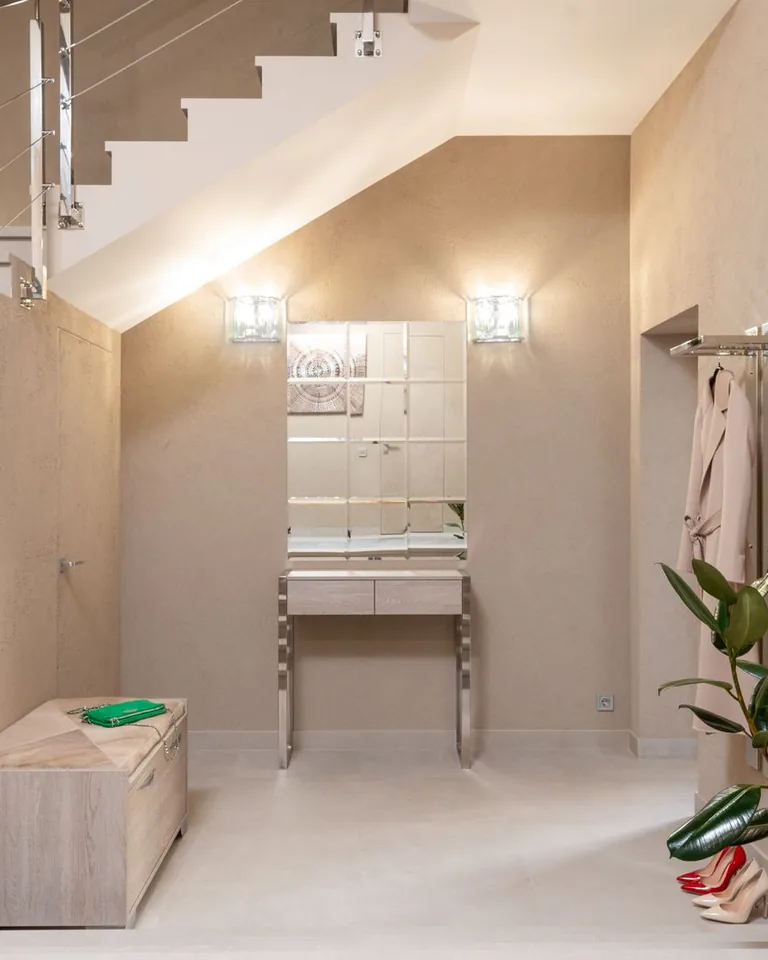
Nothing says “finished entryway” like symmetry. A pair of identical table lamps — 24 to 30 inches tall for standard console heights — frames the mirror or artwork and casts the warm welcome that overhead lighting can’t. Put them on a timer so the house never looks dark when you arrive home after sunset.
4. Corral Keys and Mail With a Catch-All Tray

The single most functional thing on an entryway console is a tray. A leather, ceramic, or woven tray gives keys, sunglasses, and mail a designated home, which means they stop migrating across the whole surface. Choose one that fits your style — the tray is decor too — and empty it weekly so it stays a system instead of becoming a junk drawer without walls. Pair it with smart hidden storage nearby for the overflow.
5. Pair One Lamp With One Vase
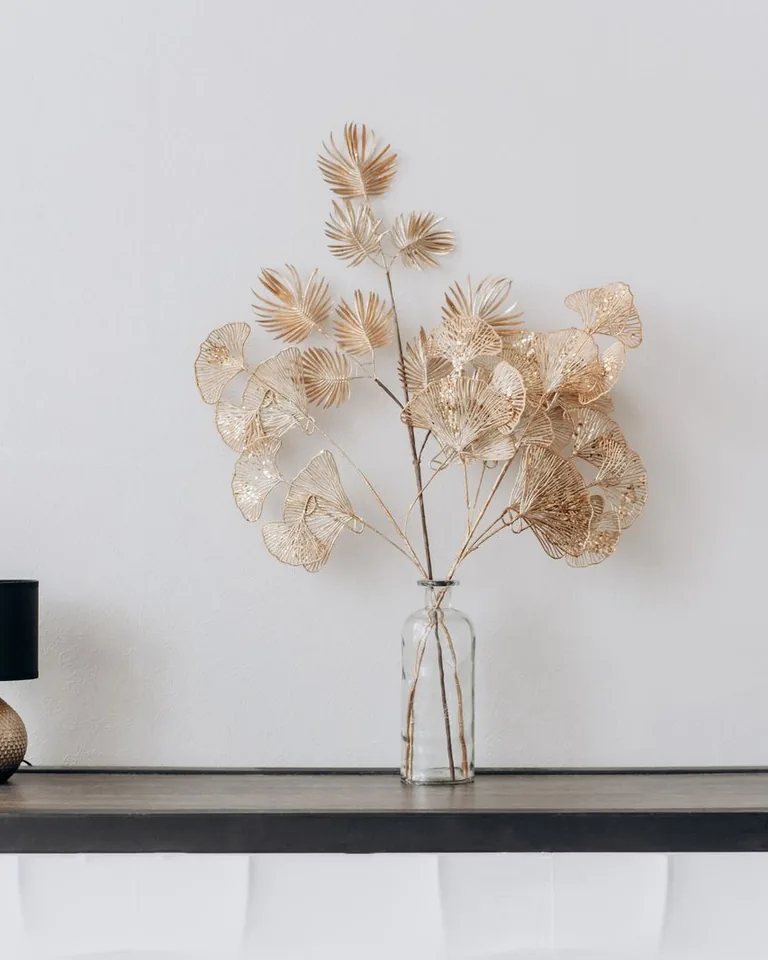
If matching lamps feel too formal, try the asymmetric classic: a single lamp on one side, a vase of branches or flowers on the other. The height contrast creates movement, and the arrangement still feels balanced because both pieces have similar visual weight. Dried branches, eucalyptus, or pampas grass last for months and need zero maintenance.
6. Tuck Woven Baskets Underneath
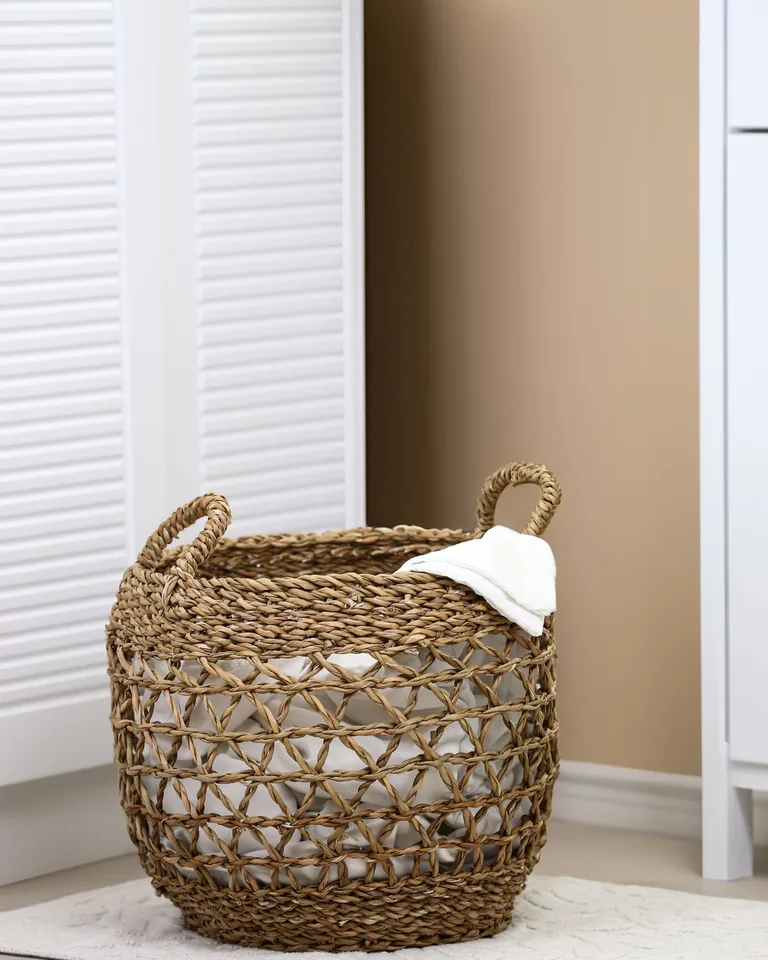
The space below a console is prime real estate. Woven baskets slide underneath to hide dog leashes, winter accessories, reusable bags, and all the small things that make an entryway look chaotic. The natural texture also warms up consoles in glass or metal. Label-free is fine — you’ll remember what’s in two baskets.
7. Add One Large Plant

A single substantial plant — a snake plant, olive tree, or fiddle-leaf fig — brings an entryway to life instantly and fills the awkward floor space beside the table. Choose a planter that echoes another material in the room (ceramic, woven, brass) so it looks intentional. If your entry gets no natural light, a good faux plant in a real planter fools everyone.
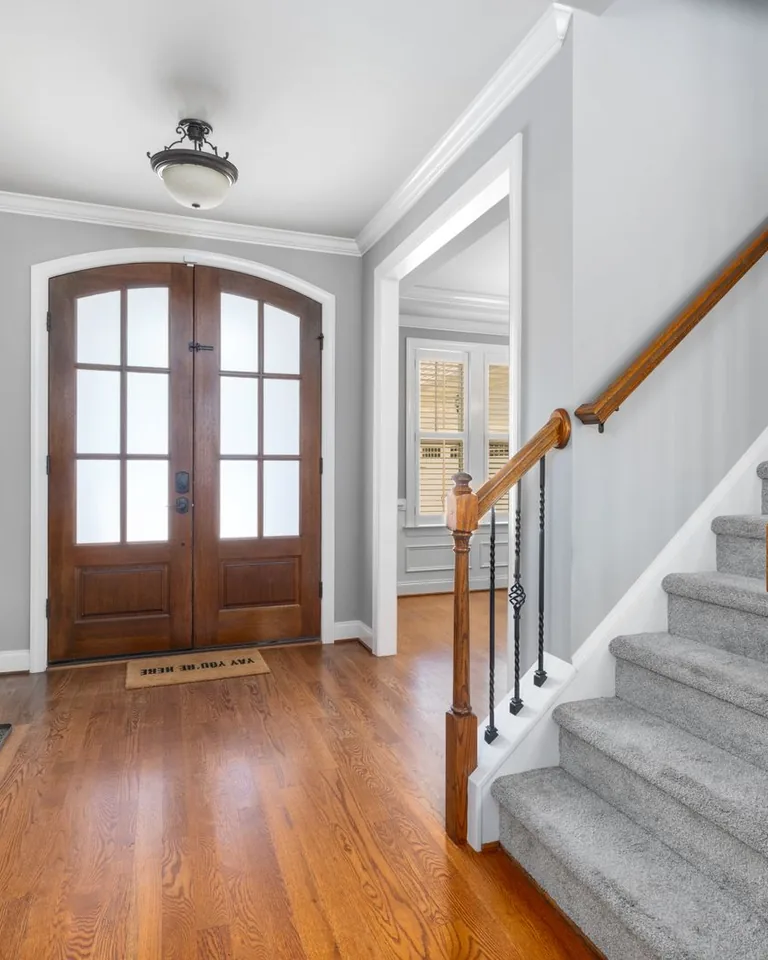
8. Build a Gallery Wall Above
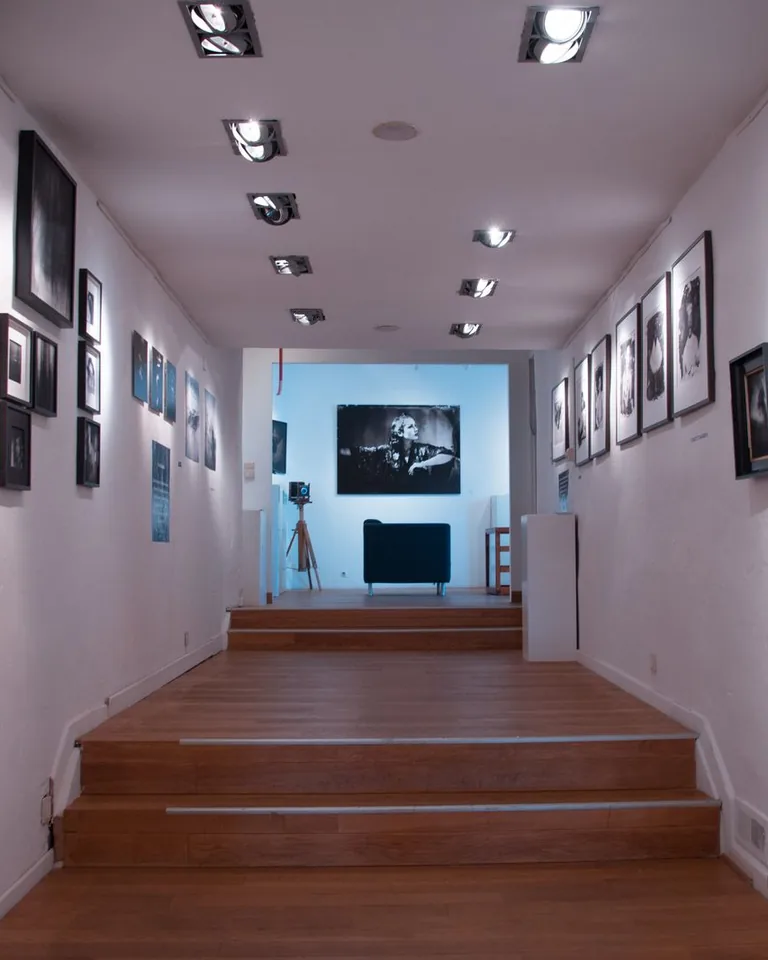
Instead of one large mirror, hang a curated gallery wall above the console. Mix family photos with art prints in matching frames for a cohesive look that still feels personal. Keep the arrangement centered over the table and leave the tabletop styling minimal — a small lamp and a tray — so the wall does the talking. For art that costs nothing, these ways to fill a blank wall work perfectly in an entryway.
9. Lay Down a Vintage Runner

A rug does for a hallway what a frame does for art — it defines the zone. A vintage or vintage-look runner adds pattern, hides dirt far better than a solid rug, and makes the walk to the door feel deliberate. Size it to leave a few inches of floor visible on each side, and choose a low pile that won’t catch the front door.
10. Install Decorative Wall Hooks
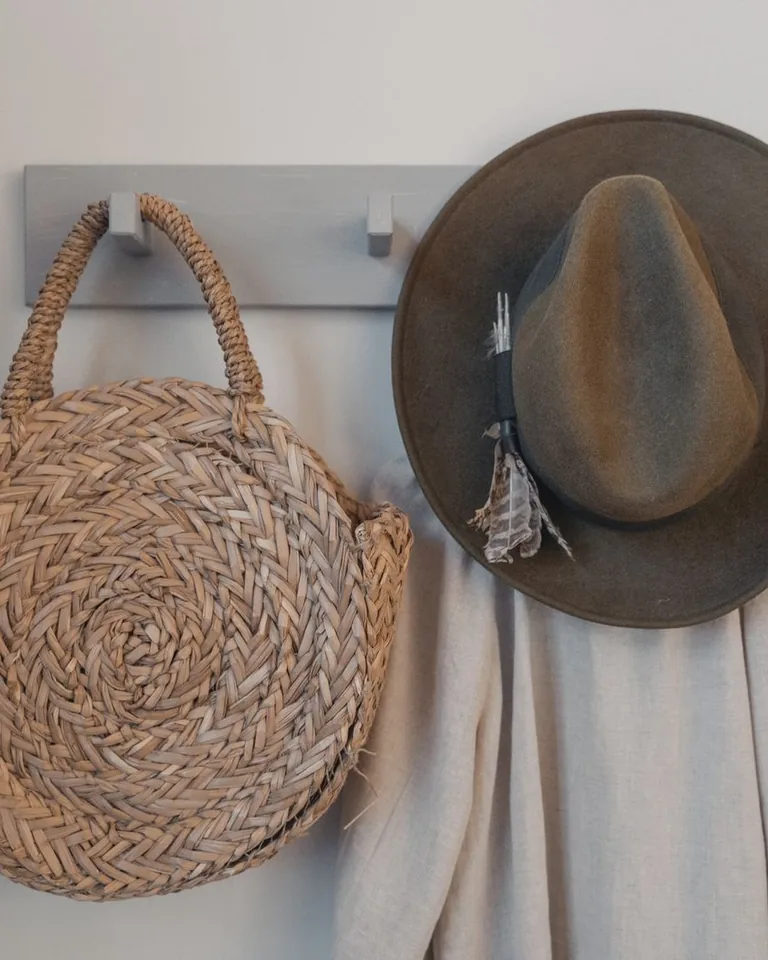
When the console surface is styled and you still need a spot for bags and jackets, wall hooks are the answer. Mounted above or beside the table, hooks in brass, matte black, or wood act as wall decor when empty and hardworking storage when full. Stagger two heights to handle everything from kids’ backpacks to long coats.
11. Use Floating Shelves for Vertical Storage
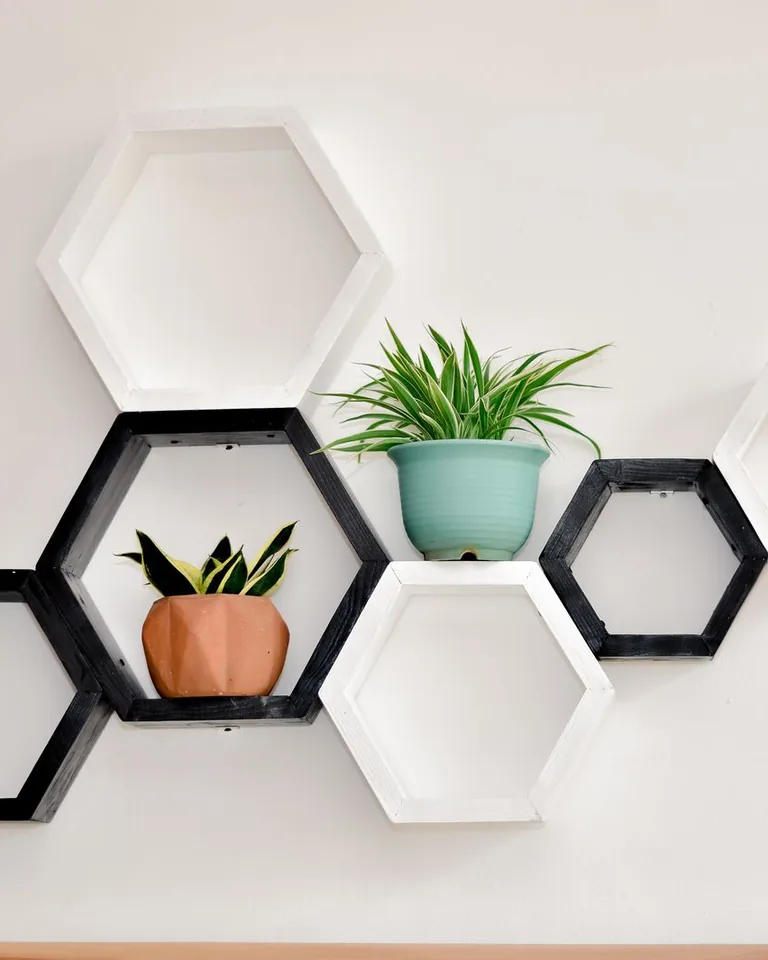
In truly tiny entries where even a slim console crowds the path, floating shelves do the same job on the wall. Two shelves — one at console height for a tray and keys, one higher for a plant and art — give you the landing zone without any footprint. Style them the same way you’d style a tabletop: odd numbers, varied heights, breathing room.
12. Create a Bench Nook Beside the Table
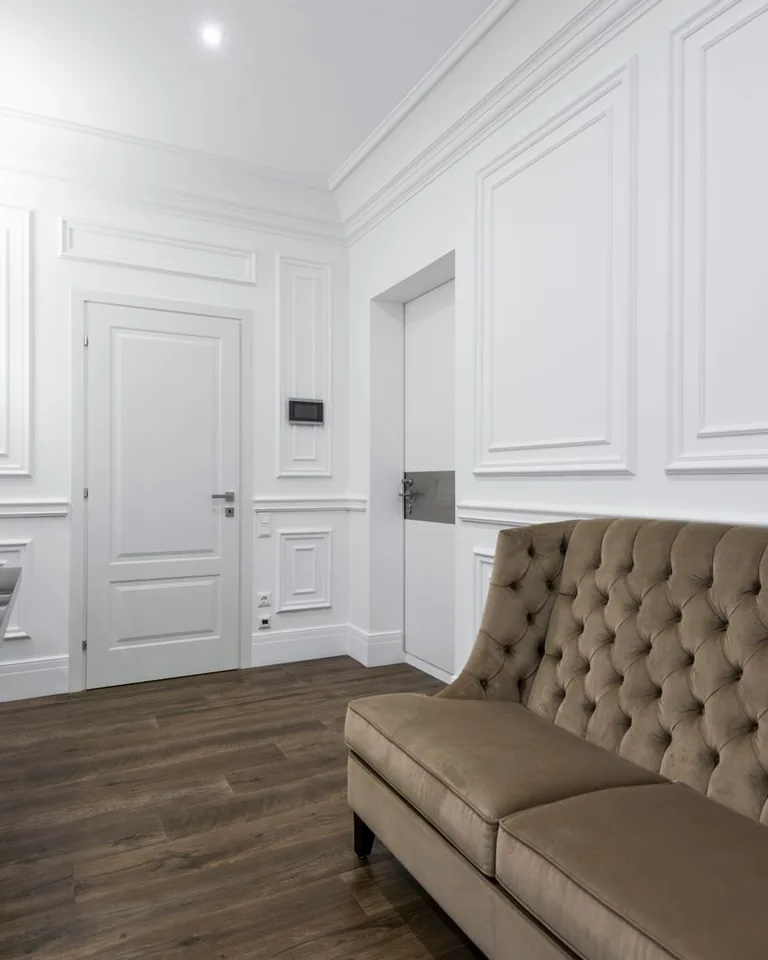
If your entry has the width, pair the console with a bench or a pair of stools tucked beneath it. It gives guests a place to sit while putting on shoes, and it fills the under-table void that otherwise collects visual clutter. A bench with a cushion in a washable fabric handles daily use; the table above stays purely decorative.
13. Hide Shoes in a Slim Cabinet
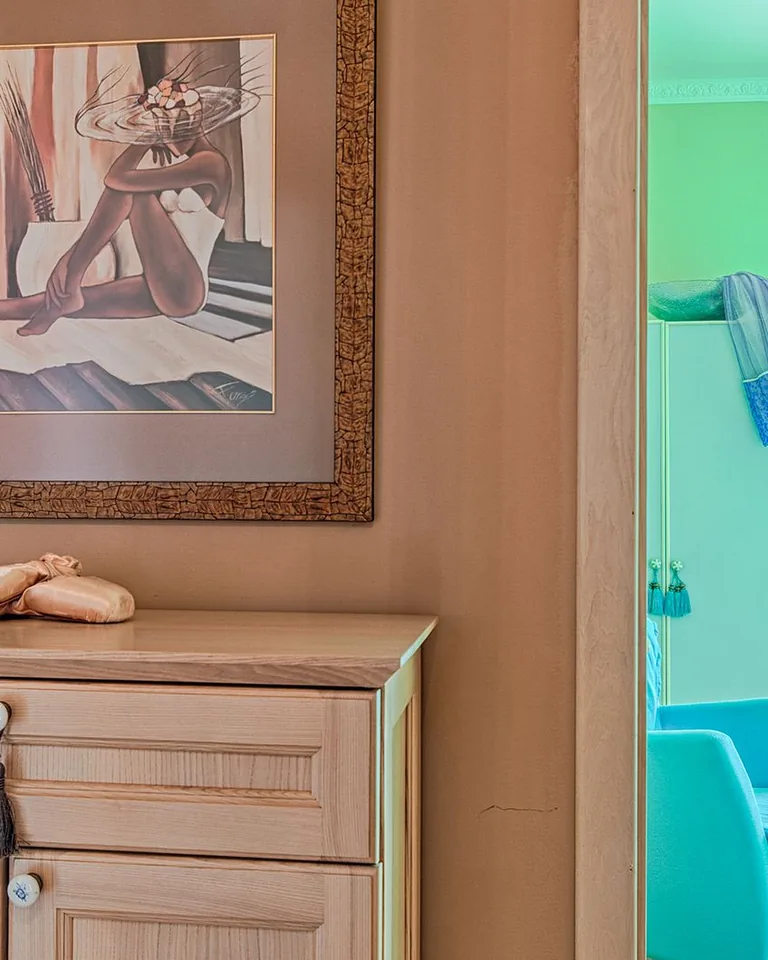
Shoes are the fastest way to ruin a styled entryway. A slim tilt-out shoe cabinet — often no deeper than a console — keeps footwear invisible while its top doubles as extra display space for a vase or stack of books. For households with a no-shoes policy, this one piece of furniture changes daily life.
14. Keep an Umbrella Stand by the Door

It’s the accessory everyone forgets until a rainy day. A ceramic or metal umbrella stand beside the console keeps wet gear off the floor and adds a vertical accent that balances the horizontal table. Choose one with some presence — it’s essentially a tall vase — and it earns its place even in dry months holding a walking stick or rolled posters.
15. Warm It Up With Layered Lighting
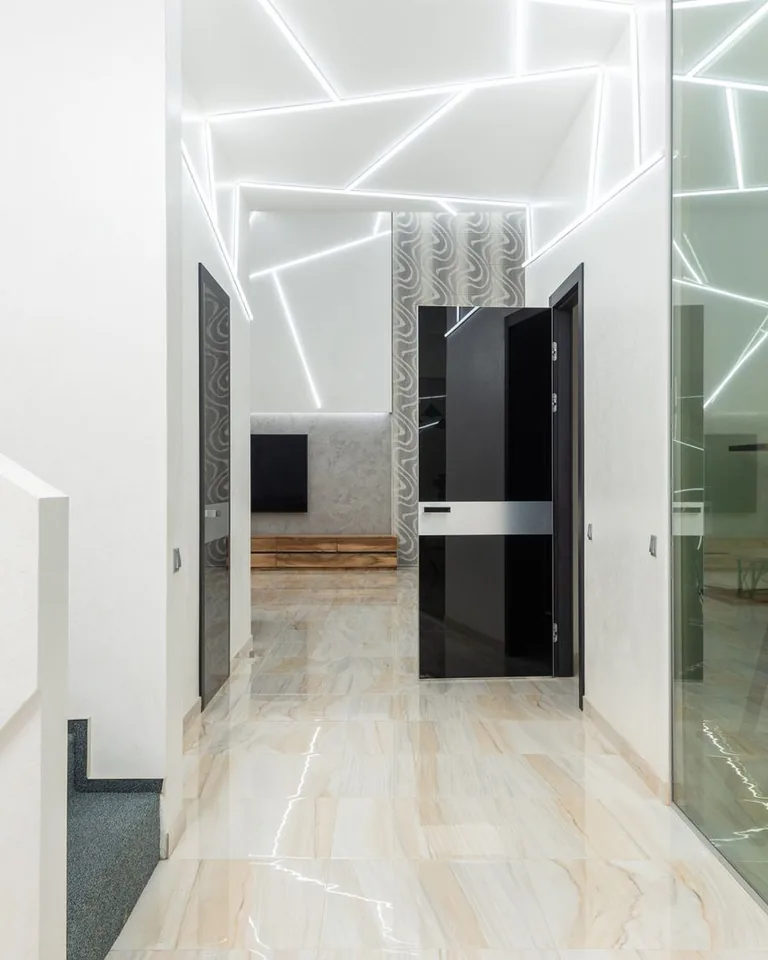
Entryways often rely on a single harsh overhead light. Layer in warmth: the table lamp, a small picture light over the artwork, or plug-in wall sconces flanking the mirror. Warm-white bulbs (2700K) make the space feel welcoming at any hour. Good lighting is what makes guests slow down and actually notice the styling — it’s the difference between a hallway and an entrance. These wall decor principles for lighting art apply just as well above a console.
Frequently Asked Questions
How do you arrange decor on a console table?
Start with a focal point above the table — a mirror or artwork. Then build the surface in three zones: something tall on one side (lamp or vase), something low in the middle (tray or books), and something organic (a plant or flowers). Group in odd numbers, vary heights, and leave about a third of the surface empty.
What are the best items to put on a console table?
The winning mix is one light source (lamp or candles), one organic element (plant or branches), one personal piece (framed photo, books, or a collected object), and one functional item (a tray for keys). That covers beauty and utility without crowding the surface.
What do you put on either side of a console table?
For symmetry, matching lamps or vases on both ends with art centered above. For a relaxed look, weight one side with a tall lamp and balance it with a lower stack of books and a small object on the other side. Underneath, baskets or a bench fill the space on both sides.
How do you style a console table without cluttering it?
Edit to five or fewer objects, use a tray to contain small items, vary heights so the eye moves across the arrangement, and leave genuine empty space. If you can’t dust around an object easily, there are too many objects. Closed storage — drawers, baskets, a nearby small-space storage piece — is what makes the styled look sustainable.
What is the standard height of a console table?
Most console tables are 28 to 36 inches high, with 30 to 32 inches being the most common. Match the height to its job: table height (around 30 inches) if it’s mainly decorative, or counter height if it doubles as a serving surface. Keep lamps proportional — 24 to 30 inches tall for standard consoles.
A well-styled console table is never finished in one shopping trip — it evolves as you find pieces you love. Start with the mirror, the lamp, and the tray, then let the rest arrive over time. For the books and objects that give a console personality, these budget bookshelf styling ideas translate perfectly to tabletop vignettes.