
20 Two-Person Dorm Room Ideas for Roommates With Totally Different Styles
Can two roommates with completely different styles share one dorm room without it looking like two different bedrooms stitched together? Yes — and neither of you has to give up your style to make it work. The trick isn’t blending everything into one look. It’s deciding what’s shared and what’s yours: keep the big shared surfaces neutral, hand each bed wall to its owner, and add one or two small details that connect both sides. These 18 two-person dorm room ideas cover the whole playbook, from move-in day to the final weeks of the semester.

Start With a Neutral Shared Base
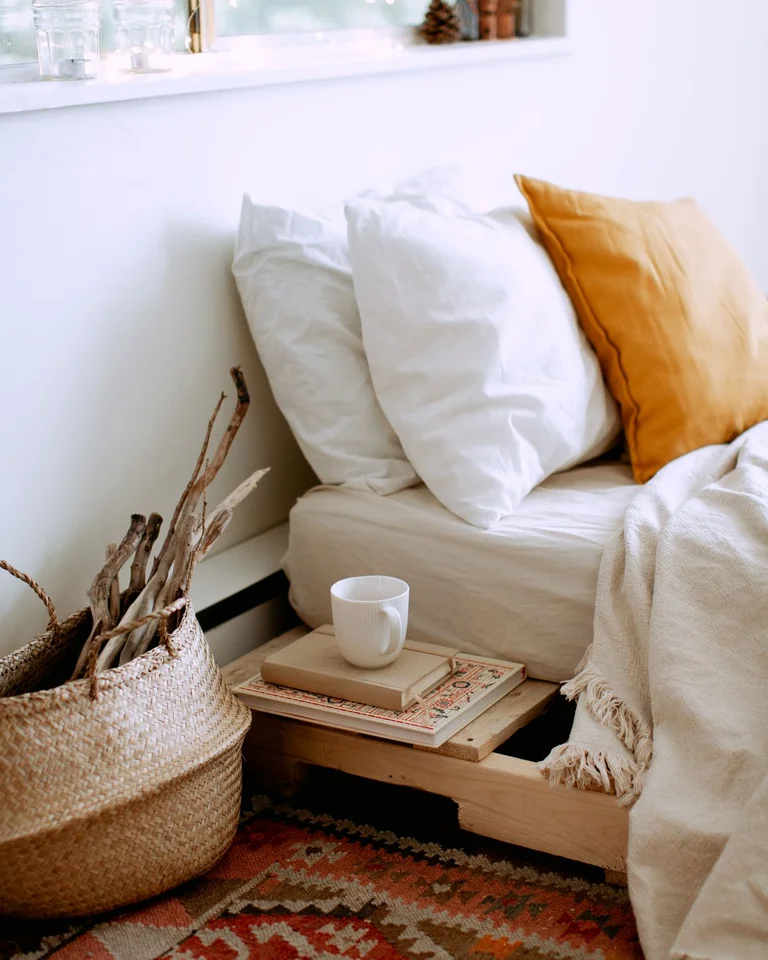
Before either of you unpacks a single poster, agree on the background. The big shared surfaces — the rug, the curtains, any storage furniture you both look at every day — should land on a neutral you can both tolerate: oatmeal, warm gray, soft white, a quiet greige. Boring is the point here.
Once the floor and window aren’t picking sides, one roommate can go sage green and cream while the other goes charcoal and black, and the two halves read as “eclectic” instead of “at war.” A neutral base costs you nothing stylistically and buys you all the freedom in the personal zones.
Talk Styles Before Move-In Day

Most roommate style fights start as logistics problems. Message each other a week before move-in: what time are you arriving, who’s bringing the fridge, and — casually — what vibe are you going for? A quick photo swap of inspiration boards tells you more than twenty texts about “aesthetic.”
Set two ground rules out loud: each person has full control over their own bed wall, and anything in the shared middle needs a yes from both of you. Saying this early prevents the silent game of nudging each other’s stuff two inches to the left.
Mirror the Layout So Neither Side Wins
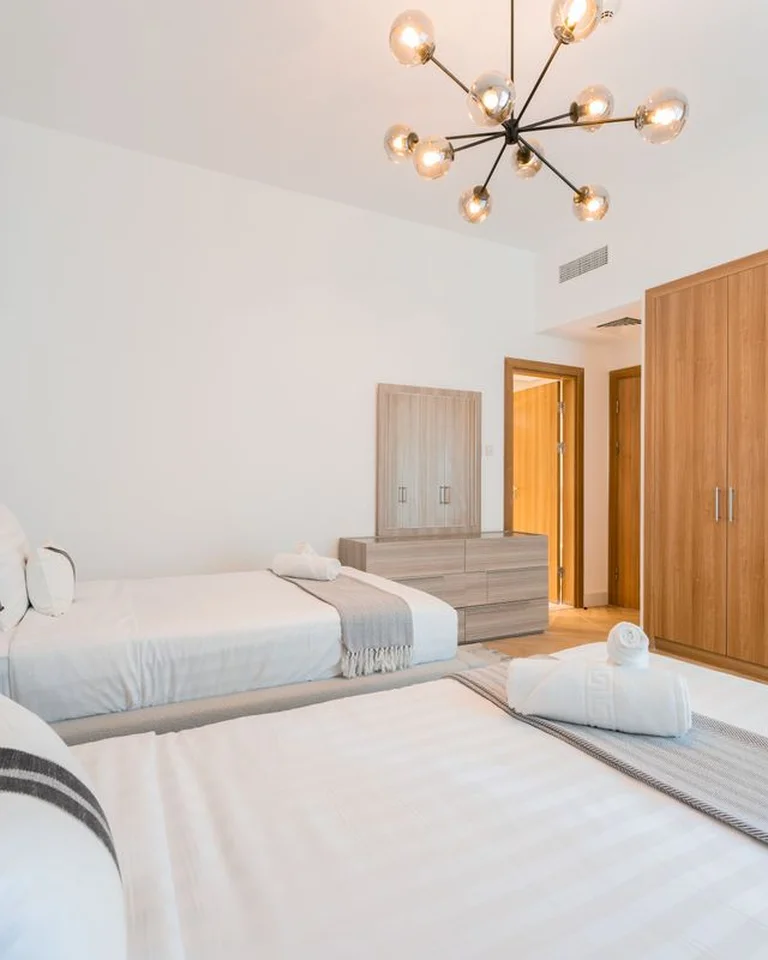
Symmetry is the cheapest peace treaty in a shared room. Beds on opposite walls or in an L-shape in the corners, desks near the outlets, and a clear walkway down the middle gives both people the same amount of space, light, and wall.
When the layout is mirrored, different styles look like a deliberate design choice rather than one roommate dominating the room. Small habit check: the early bird gets the bed by the window, the night owl takes the one by the door, and nobody argues about fairness later.
Give Each Bed Its Own Wall
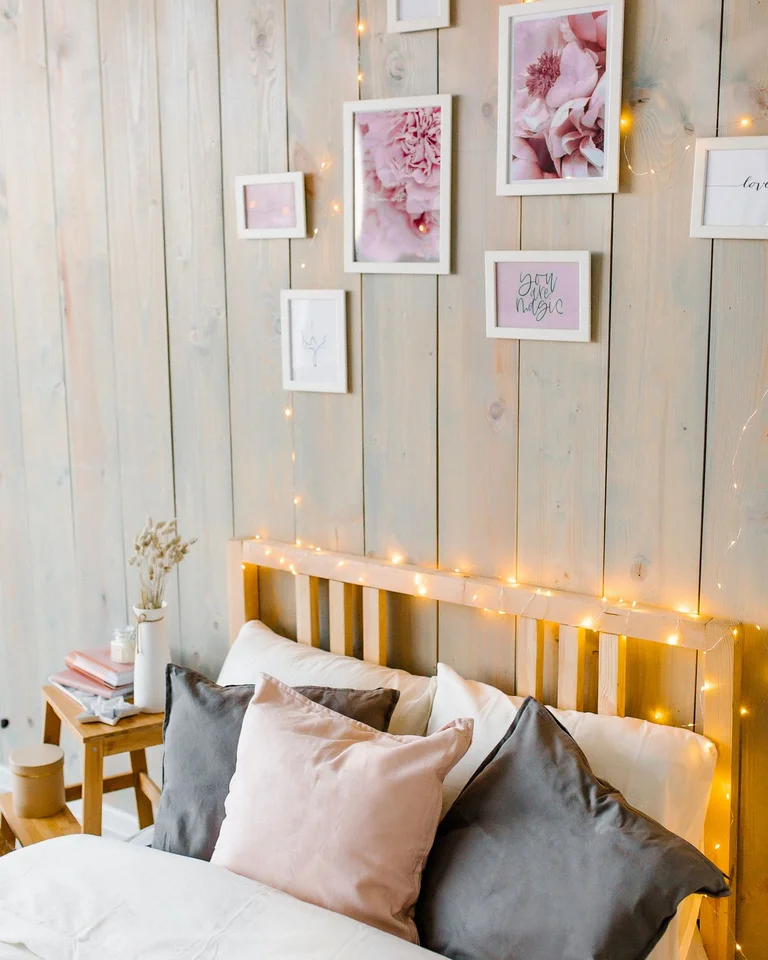
The wall behind your bed is your patch — full control, no roommate veto. Hang the tapestry, the string lights, the forty photos, the one baffling poster you found at the campus sale. This is where your style lives at full volume.
Use damage-free hanging strips or removable hooks so you don’t lose your deposit, and keep everything above your own mattress line. When each person has one guaranteed zone of total self-expression, the compromises in the shared areas feel much smaller.
Hang a Curtain Divider for Instant Privacy

When your schedules clash — one of you up at 6 a.m., the other gaming at midnight — a divider buys you both privacy without anyone requesting a room transfer. The cheapest route is a tension rod with a curtain, which you can pull shut or yank open in seconds.
Check your housing rules first: some dorms restrict freestanding furniture or anything screwed into walls, but tension rods almost always pass. A fabric divider also doubles as a style bridge — pick one in a neutral tone and it belongs to neither side.
Use a Bookshelf as a Room Divider
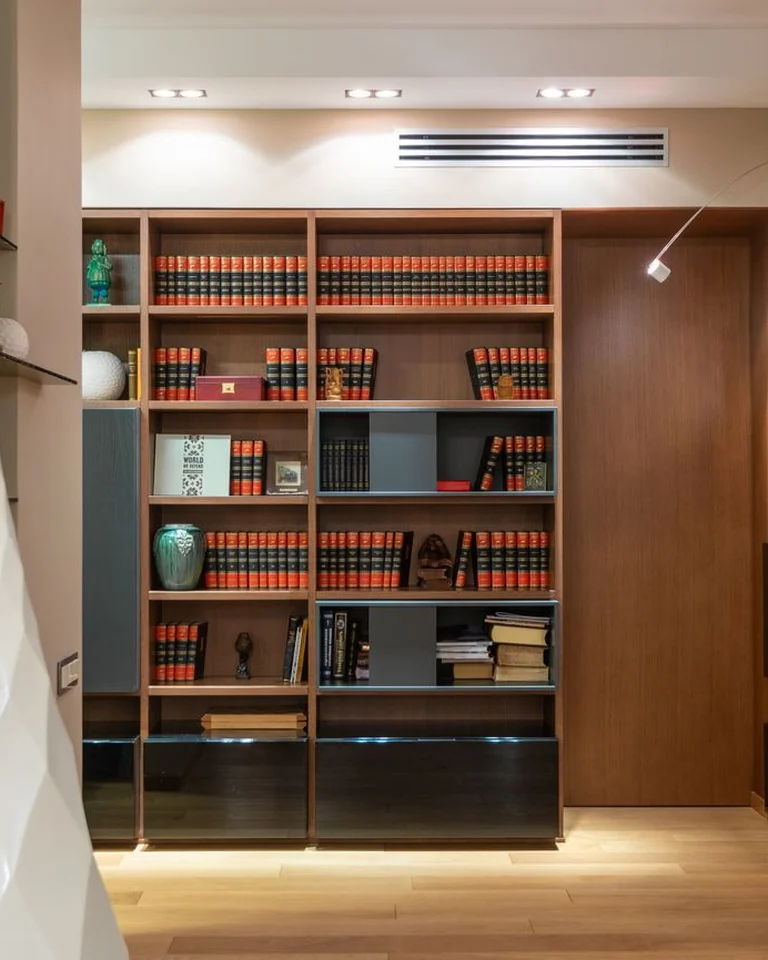
A low cube shelf stood between the beds does two jobs at once: it marks the boundary and gives you both extra storage. Face the finished back toward one side and fill the cubes from both directions — textbooks on one side, plants and photos on the other.
Keep it under about four feet tall so light still travels across the room and the space doesn’t feel chopped in half. Anchor it to the wall with furniture straps if your dorm allows, since a loaded shelf in a room people walk through should never wobble.
Loft Both Beds and Open Up the Floor
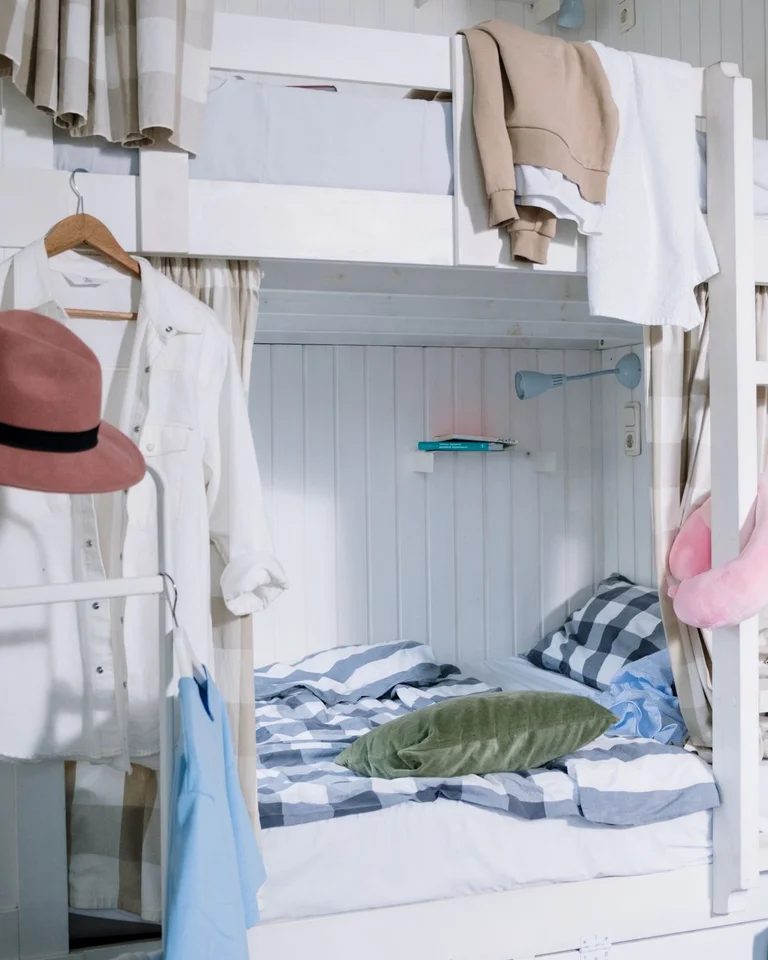
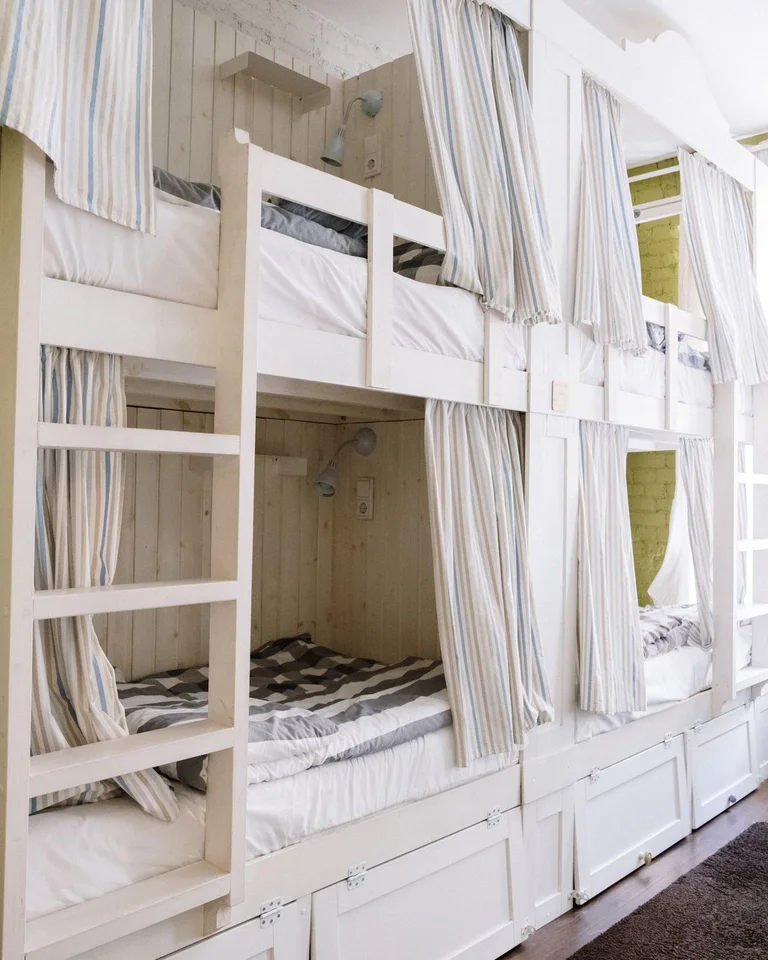
If your dorm allows lofted or bunked beds, take the offer. Beds up top turn the floor from two separate territories into one shared zone you can both actually use — space for a rug, floor cushions, and somewhere a visiting friend can sit that isn’t your desk chair.
Lofting also solves the “my stuff is everywhere” problem: the area under each bed becomes that person’s private storage or study nook, clearly separated by the bed frame itself. Measure your ceiling height first — you want sitting headroom on the mattress plus real clearance underneath.
Split the Cost of Shared Items 50/50

Nothing sours a roommate relationship faster than arguing over who paid for the rug. Decide before you buy: anything that lives in the shared zone — rug, trash can, power strip, mini fridge if you’re splitting it — gets split evenly, and anything personal stays personal.
Keep a running note on your phones with who bought what and the cost. At move-out, shared items either get bought out by one person or donated together. It takes five minutes and removes an entire category of passive-aggressive tension.
Coordinate the Stuff You Both Touch Daily
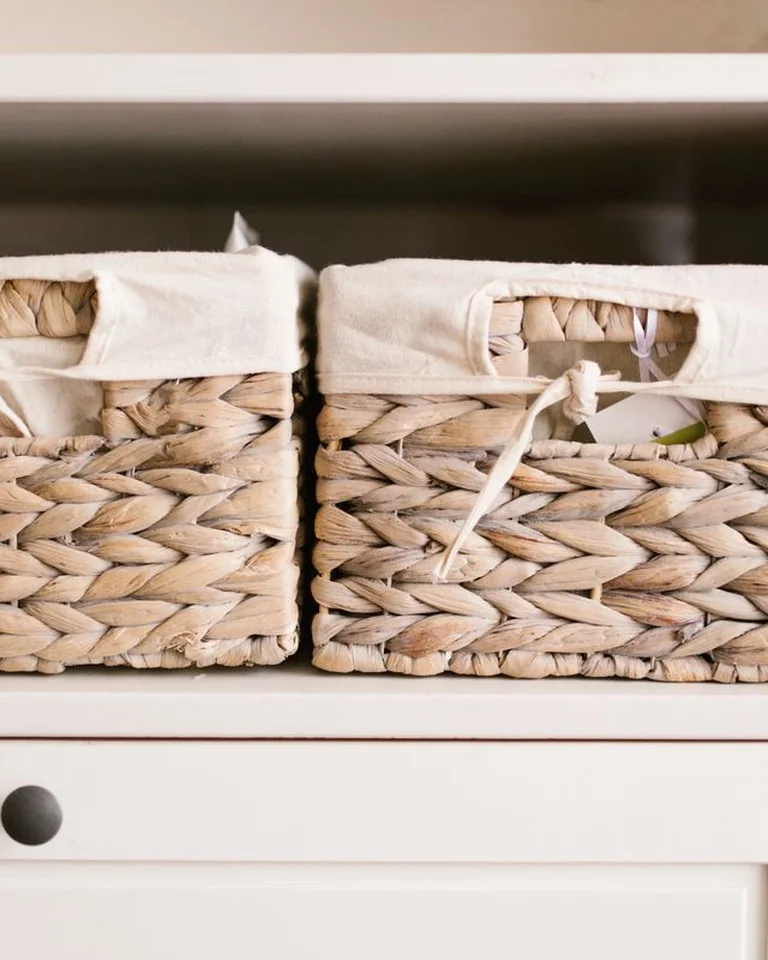
Some objects belong to both of you whether you like it or not: the mini fridge, the trash can, the shared shelf, the microwave. This is where mismatched taste becomes daily low-grade irritation, so make one quick agreement — pick a fridge color neither of you hates, and use matching bins on the shared shelf even if what’s inside them is a disaster.
Matching containers are the secret weapon here. Two identical basket sets in a neutral tone make a shelf look intentional no matter how different your personal stuff is, and they stop you both stewing over each other’s clutter in the one spot you can’t curtain off.
Give Each Side Its Own Lighting
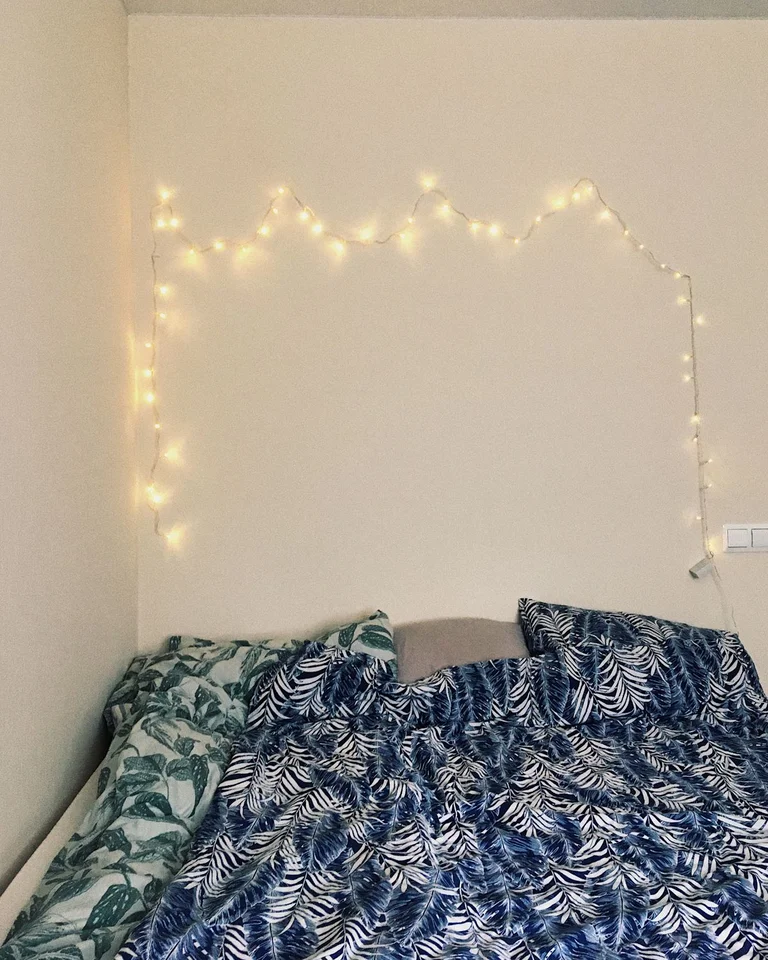
Overhead dorm lighting flatters nobody and pleases nobody — which actually makes it the perfect thing to ignore. Give each side its own lighting and let them differ completely: warm fairy lights and a clip lamp on the cozy side, a cooler LED strip or a sharp task lamp on the minimal side.
Lighting is a sneaky peace tool because it changes how each half feels without changing any shared decor. Battery or USB-powered strands help when outlets are scarce, and a cheap sleep mask ends any remaining debate about whose lights stay on later.
Repeat One Small Accent Across Both Sides
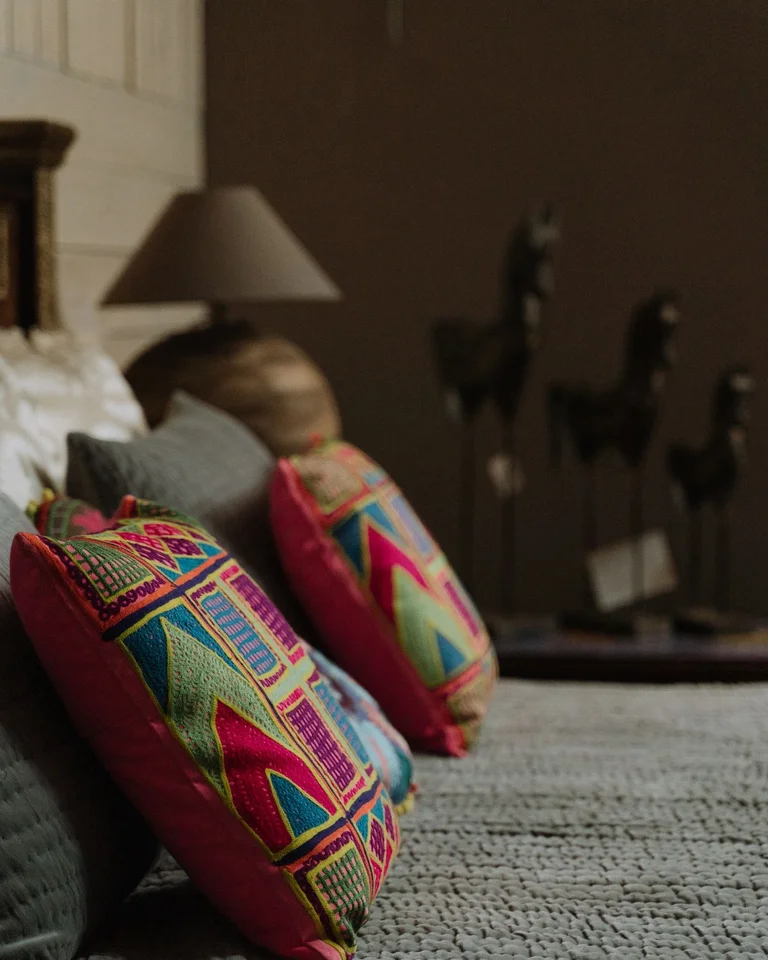
Here’s the trick that makes two opposite styles look intentional instead of accidental: one small thing echoing on both sides. Same-color throw pillows with totally different bedding. The same warm string-light temperature above both beds. Matching lampshades with different lamp bases.
It only takes one echo — a single repeated color, texture, or shape — and suddenly the room reads as designed rather than divided. Pick something cheap and easy to swap, so neither person feels locked into the other’s taste.
Try Matching Frames With Totally Different Art
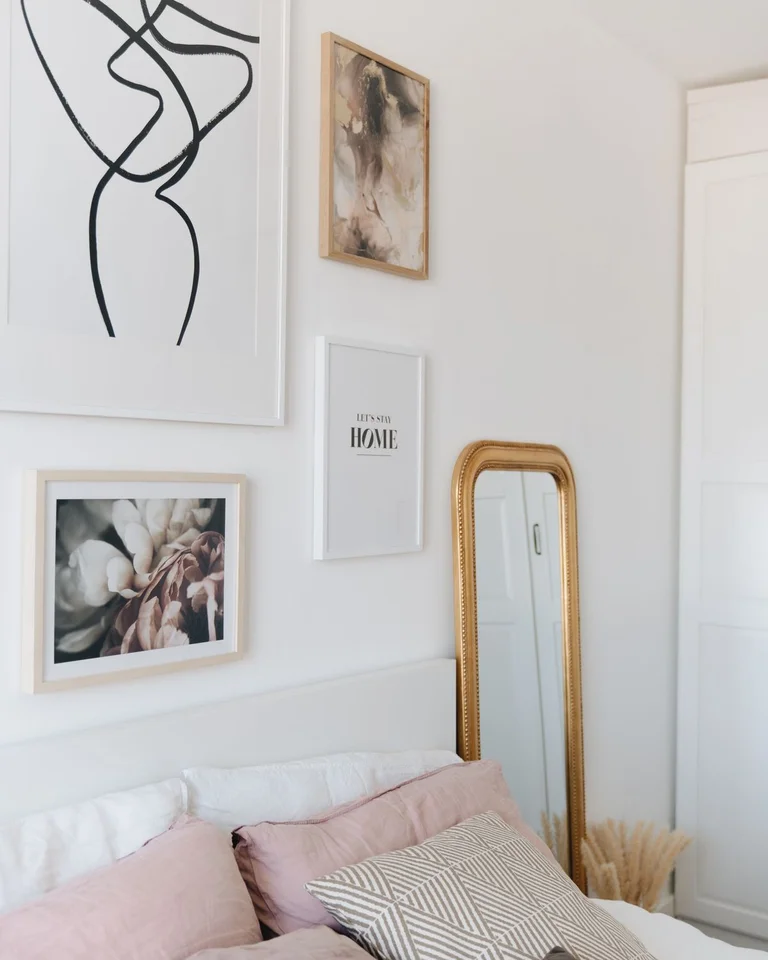
Gallery walls are where style clashes get loudest, so standardize the container and free the content. Buy a set of identical simple frames — black, white, or natural wood — and let each person fill theirs with whatever they want: band posters, botanical prints, anime stills, abstract art.
The matching frames create a visual rhythm that holds the wall together even when the images inside have nothing in common. It’s the same principle as a museum hanging wildly different paintings in identical frames, and it works at dorm scale too.
Use Two Small Rugs Instead of One Big One
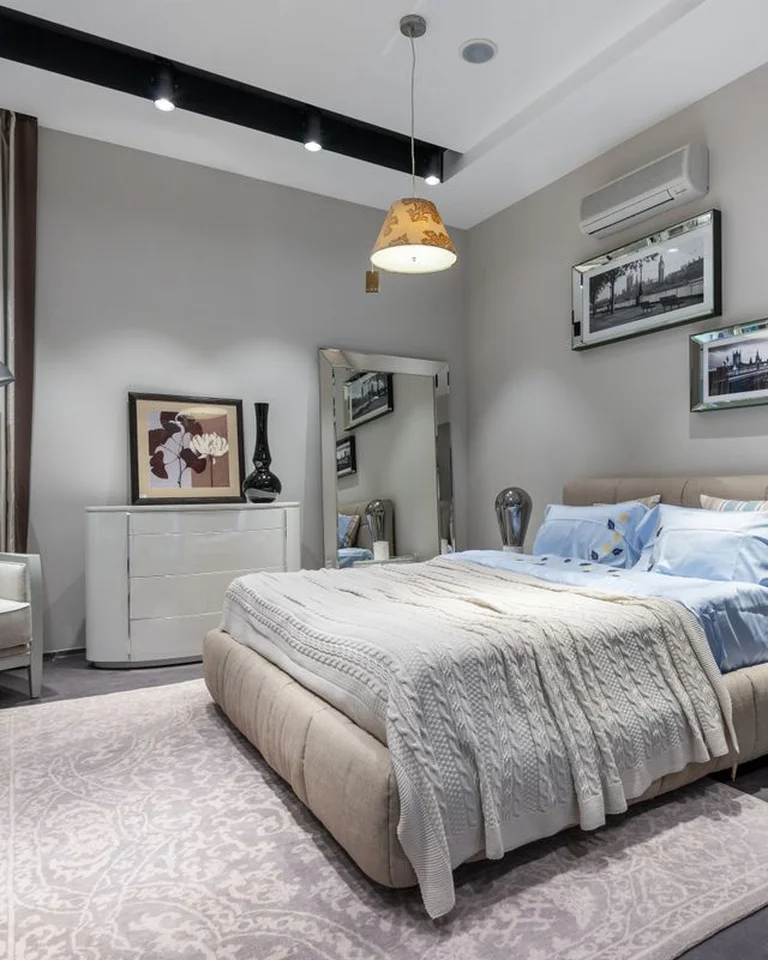
One shared rug forces a style compromise right in the middle of the floor. Two smaller rugs — one per bedside — let each person pick their own pattern and color while still getting the warmth and noise-dampening a rug provides.
Keep them roughly the same size so the room stays balanced, and choose low-pile styles that survive a year of foot traffic and desk chairs. If you ever do want one unifying rug later, layer both small ones over a large neutral base rug instead of replacing them.
Keep the Middle of the Room Clear
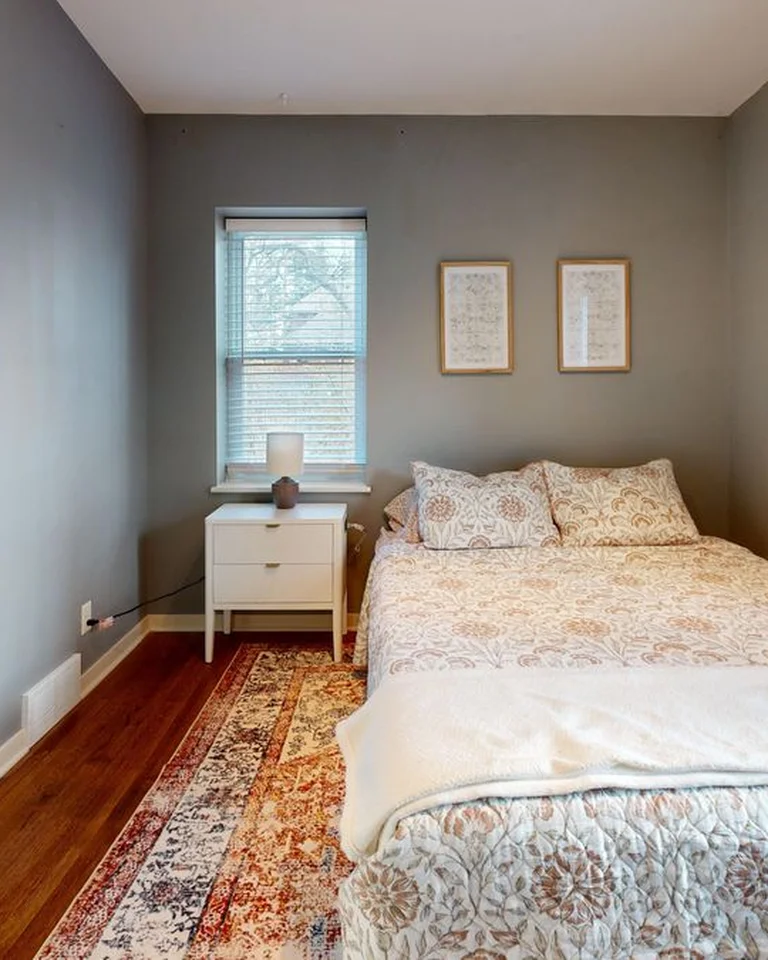
The fastest way to make a shared room feel smaller and messier than it is: letting both people’s stuff drift into the middle. Agree that the walkway between the beds stays clear — no laundry piles, no shoe collections, no “temporary” boxes that live there for three months.
This one rule does more for roommate harmony than any decor choice, because clutter reads as disrespect in a shared space even when nobody means it that way. Aim for about two feet of clear path; if the room is tiny, treat 18 inches as the absolute minimum.
Build One Shared Lounge Corner Together
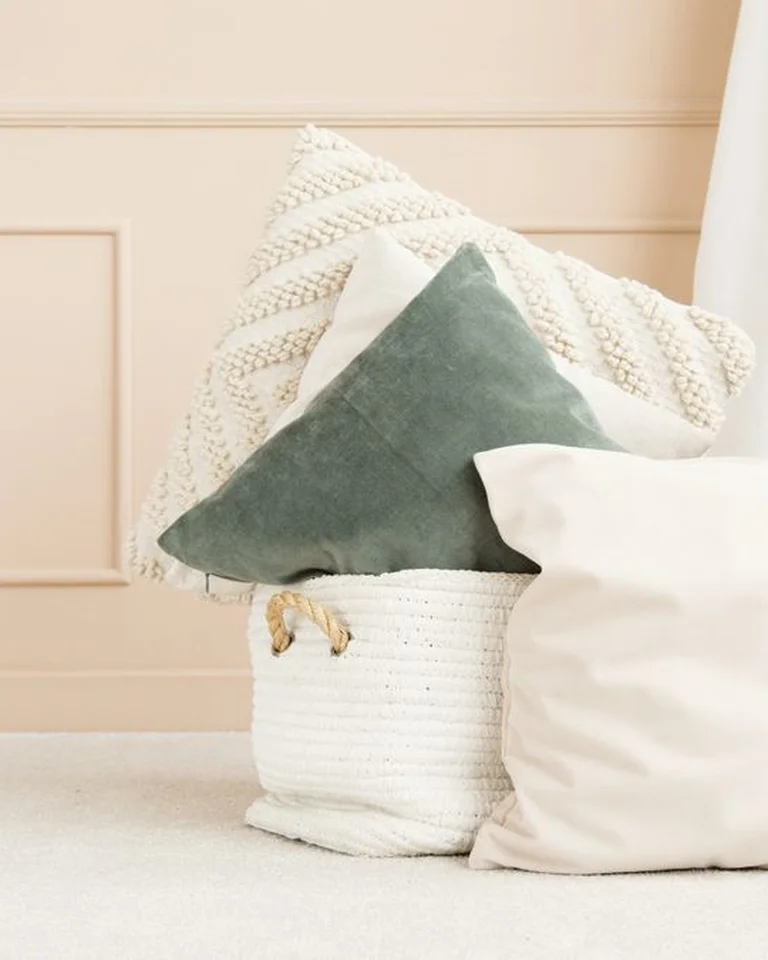
Give the friendship its own square footage. One corner with floor cushions or a small bean bag, a shared throw blanket, and maybe a tiny side table becomes the neutral hangout zone — the one spot decorated as a team rather than as two individuals.
Picking this corner together is also genuinely good for the relationship. It’s the one decor project with zero turf issues, and having a comfortable shared seat means late-night talks happen somewhere other than each other’s beds.
Set Up Two Separate Study Stations
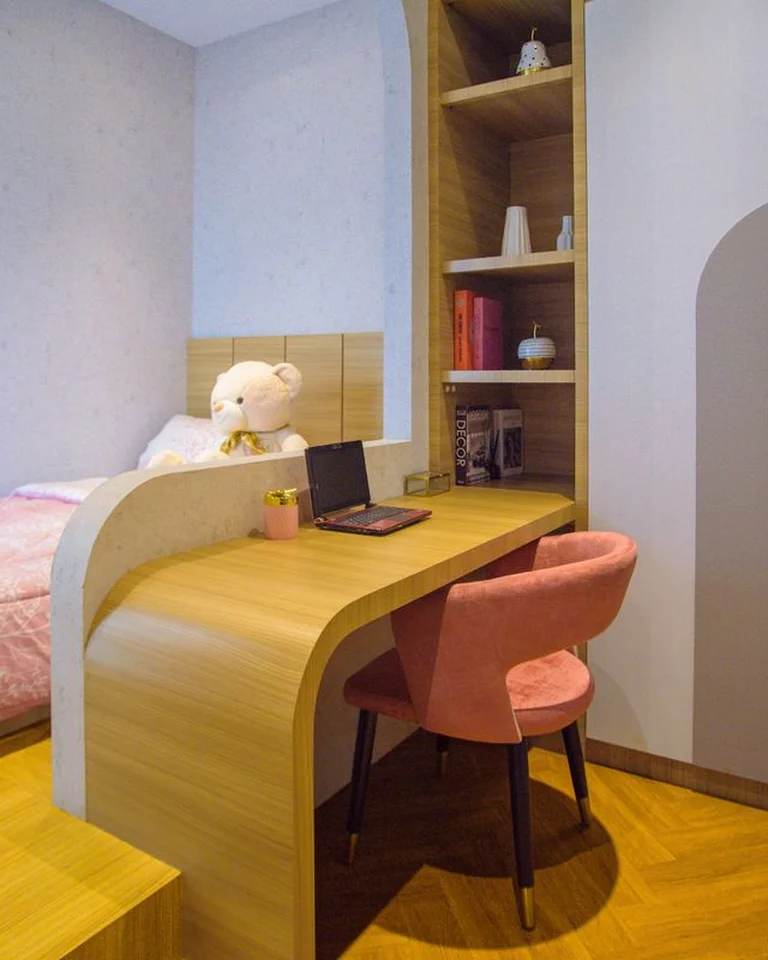
Study habits clash harder than decor taste, so don’t share a desk — build two separate stations with real separation between them. Matching desk organizers in each area keep the room visually calm, while personal touches like photos, mini art prints, or a vision board make each station feel owned.
Directional task lighting matters more than decor here: a desk lamp that points at your work and not your roommate’s eyes lets the night owl study while the early bird sleeps. Add a small rug or felt pad under each chair to cut down on scraping noise.
Share a Pinboard, Not Your Opinions
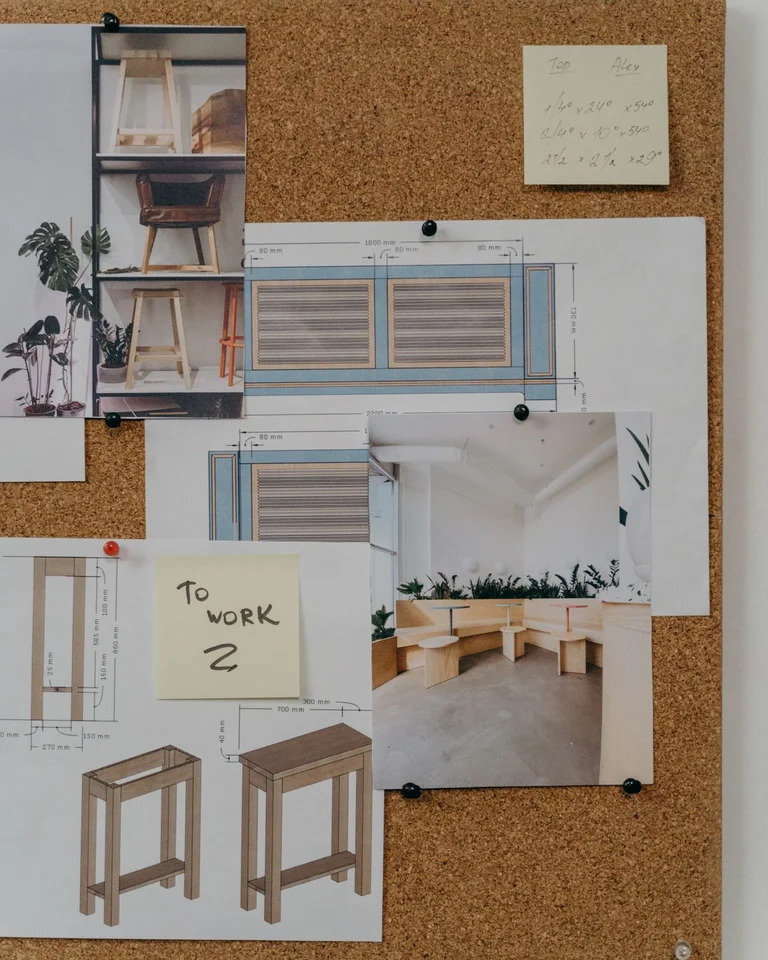
One shared cork board or magnetic board near the door handles the boring-but-essential stuff: class schedules, a shared calendar, grocery lists, the cleaning rota, and both of your emergency contacts. When logistics live on the wall, they stop living in your text arguments.
Give each person half the board for personal bits — concert tickets, photos, to-do lists — and keep the middle strip for shared business. It’s the room’s dashboard: practical, visible, and completely style-neutral.
Don’t Flatten Everything Into One “Safe” Style
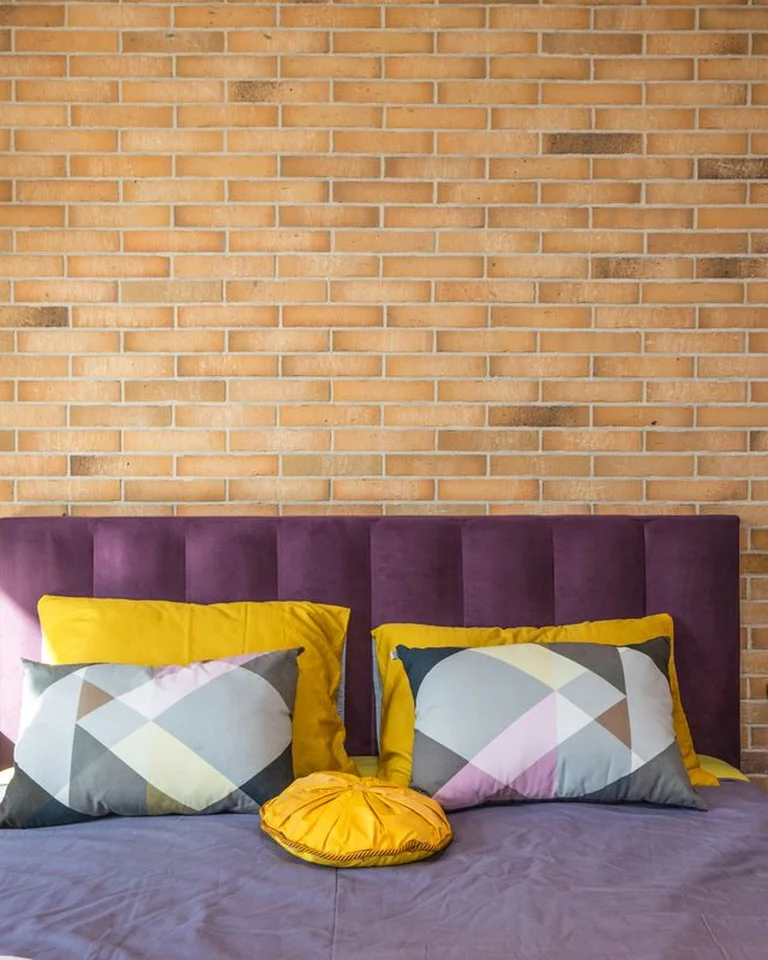
The most common mistake roommates make: buying one bland “neutral aesthetic” set and cramming the whole room into it because it feels fair. What you actually get is a beige box neither person likes — and the resentment doesn’t disappear, it just goes underground.
A room with two loud, clearly separated halves honestly looks better than a muddy compromise that pleases nobody. Let both sides be themselves. Different styles aren’t the problem; pretending you don’t have them is.

Two-Person Dorm Room Questions, Answered
How do you decorate a dorm room when roommates have opposite styles?
Split the room into shared and personal zones. Keep shared surfaces — rug, curtains, big storage — neutral, give each person full control of their bed wall and lighting, and add one small repeated accent (matching frames, the same pillow color) so the two halves look intentional.
What’s the best layout for two people in a small dorm room?
Mirrored layouts work best: beds on opposite walls or in an L-shape, desks near outlets, and a clear walkway down the middle. Symmetry makes the room feel fair, and lofting both beds opens up shared floor space for a lounge area.
How can roommates divide a dorm room fairly?
Divide costs and space, not just decor. Split shared purchases 50/50 and track them in a phone note, use a bookshelf or curtain as a visible boundary, and agree that the middle walkway stays clear. Put schedules and chores on a shared pinboard so expectations are visible.
What should roommates agree on before decorating?
Three things: each person controls their own bed wall, anything in the shared middle needs both people’s approval, and shared items get split evenly. A quick inspiration-photo swap before move-in day reveals most clashes early, when they’re still easy to solve.
A Quick Roommate Decor Checklist
- Swap inspiration photos and arrival times before move-in day.
- Agree on a neutral base for the rug, curtains, and shared storage.
- Mirror the layout: beds opposite or L-shaped, desks near outlets, walkway clear.
- Claim your bed wall; keep the shared middle approval-based.
- Split shared purchases 50/50 and track costs in a shared note.
- Give each side its own lighting and add one repeated accent to connect both halves.
- Set up separate study stations and one shared lounge corner.
- Hang a shared pinboard for schedules, chores, and logistics.
- Revisit the plan after the first month — small tweaks beat big arguments.