15 Driveway Landscaping Ideas That Boost Curb Appeal Instantly
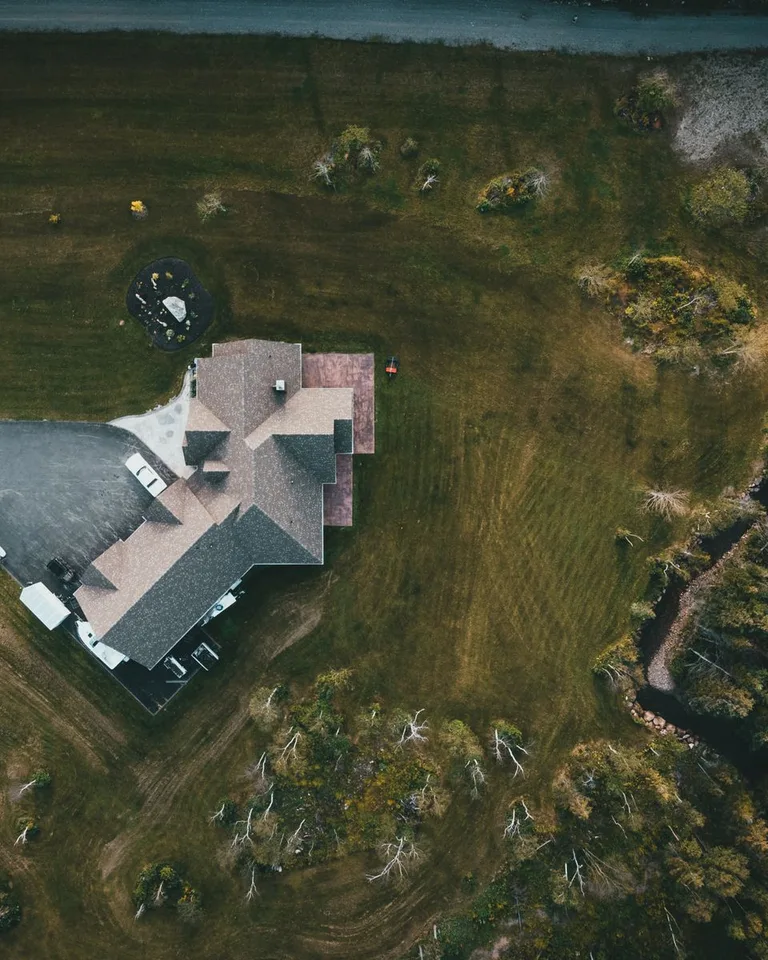
The driveway is the most-used, least-loved part of most landscapes — a big gray slab you drive over without a second thought. But it’s also the first thing visitors see and the frame around your home’s first impression. A little landscaping along its edges can take it from purely functional to genuinely beautiful.
These 15 driveway landscaping ideas cover every budget and style, from simple flower borders to full hardscape upgrades. Start with the edges — that’s where the biggest visual payoff lives. For the full front-of-house picture, pair these with fall porch decor ideas when the seasons turn.
1. Frame the Drive With Lush Green Borders
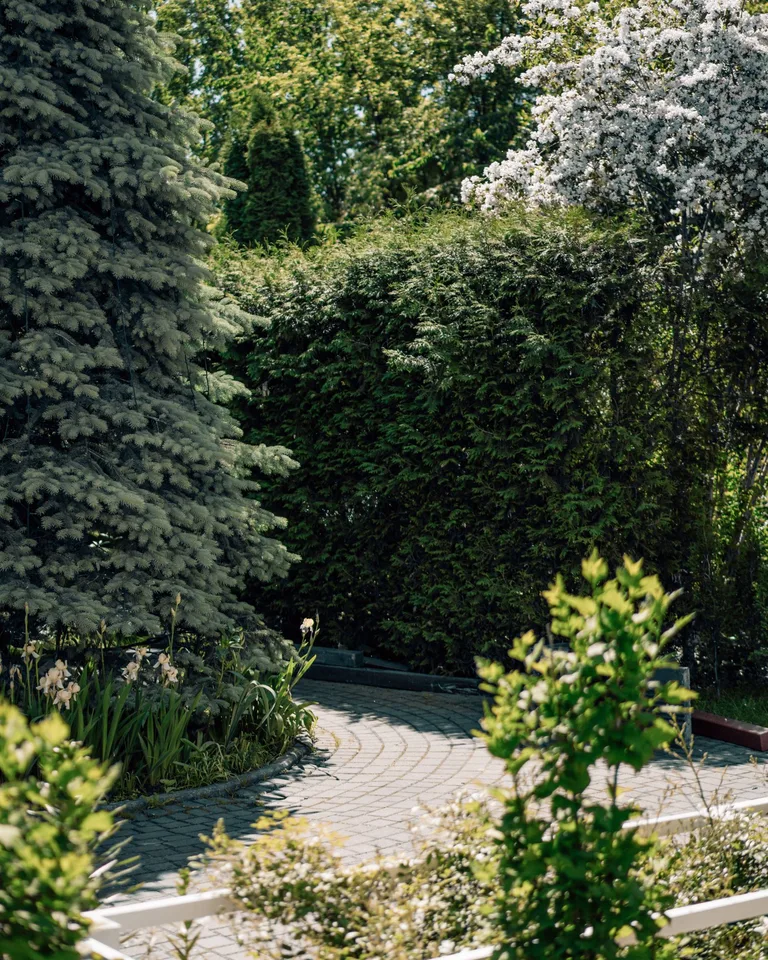
The single highest-impact move: plant both sides of the driveway. A 2–3 foot border of layered greenery — low shrubs in back, perennials in front — turns a plain slab into a garden path you happen to drive on. It defines the driveway’s edges and makes the whole front yard feel designed.
Keep mature plant height under 2 feet near the apron so sightlines stay clear. Mulch the beds 3 inches deep to suppress weeds and give the planting a finished look.
2. Lay a Classic Brick Paver Driveway

Brick pavers in herringbone or basketweave bring timeless character that plain concrete can’t touch. They’re also practical: individual pavers can be lifted and reset if one cracks or settles, unlike a poured slab. Reclaimed brick adds instant patina.
Herringbone is the strongest pattern for vehicle loads. Make sure the base is well-compacted — most paver failures are base failures, not brick failures. A contrasting border course in charcoal makes the whole drive look custom.
3. Edge It in Cobblestone or Natural Stone
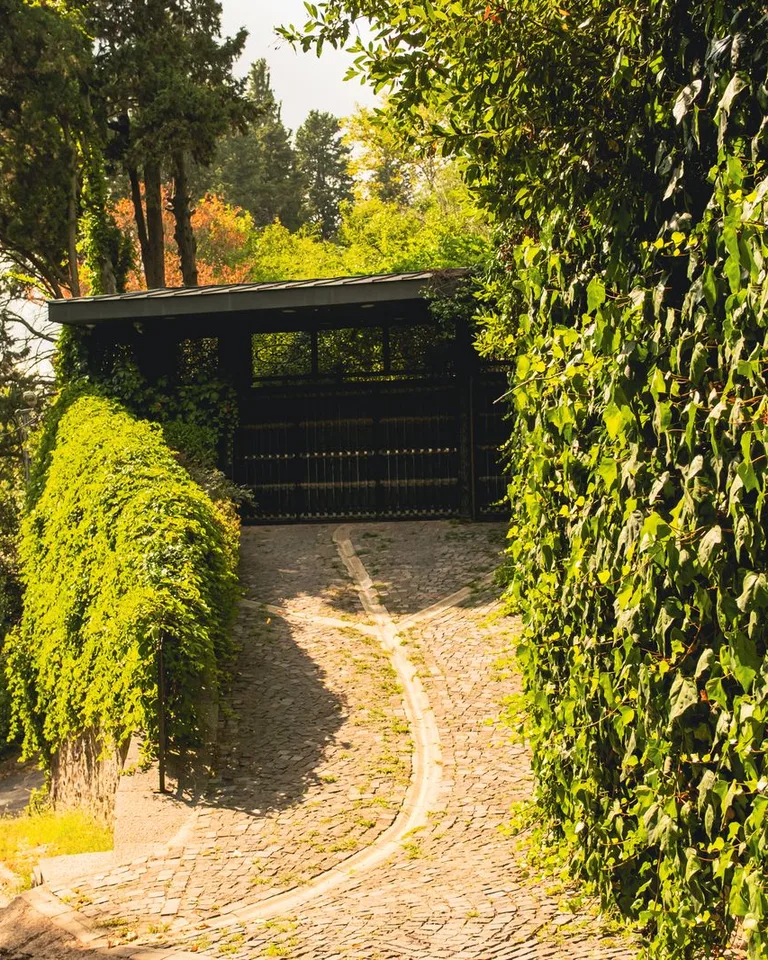
You don’t need to repave the whole driveway to get the stone look. A cobblestone or natural-stone border along both edges gives a plain concrete drive a finished, high-end frame for a fraction of the cost of full pavers.
Set the edging stones in a concrete haunch so car tires can’t nudge them loose, and keep the edging flush with the lawn side for easy mowing. This is one of the best value upgrades in this list.
4. Design a Gentle Winding Curve
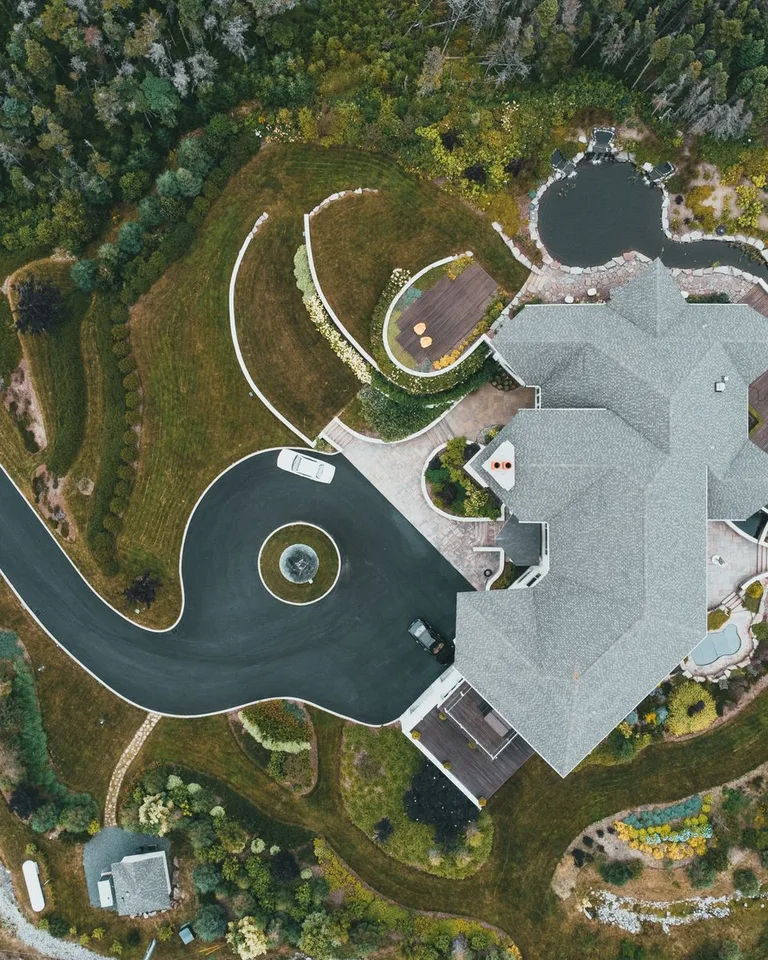
If you’re replacing a driveway anyway, consider a gentle curve instead of a straight shot. A winding drive feels more gracious, slows traffic naturally, and creates planting pockets in the curves that a straight drive never offers.
Keep curves broad enough for comfortable turning — a 25-foot minimum radius for the inside edge. Tight S-curves look charming in photos and infuriating in a moving car.
5. Plant Tulip Borders for Spring Impact
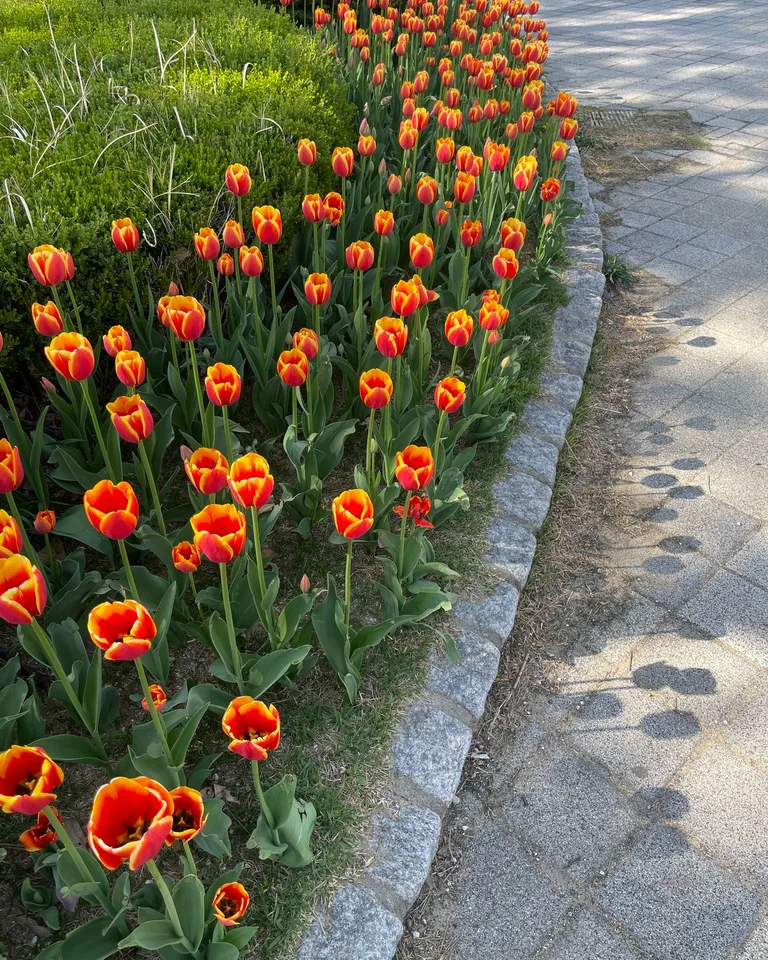
A double row of tulips along the driveway delivers the biggest spring color show for the least money. Plant bulbs in fall, 6 inches deep and 4 inches apart, in drifts of single colors rather than mixed bags — blocks of red or yellow read as design, confetti reads as accident.
Underplant with daffodils (which rodents avoid) to protect the display, and let foliage die back naturally so the bulbs recharge for next year.
6. Line the Path With Daylilies
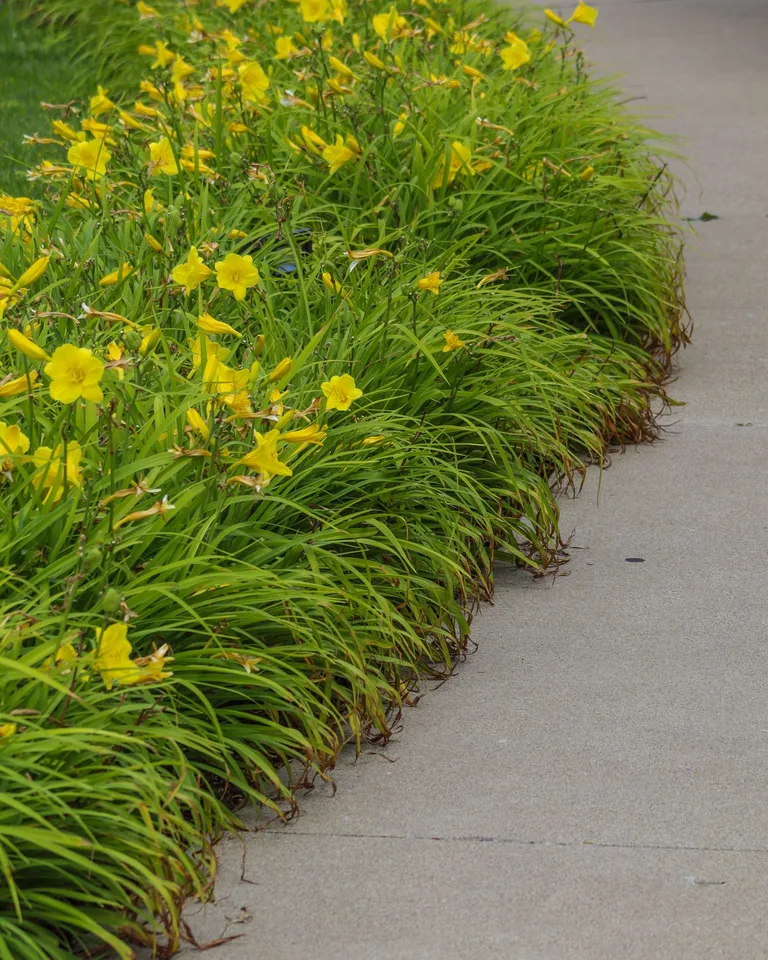
Daylilies are the workhorse of driveway borders: drought-tolerant once established, unbothered by heat reflected off pavement, and blooming for weeks. A single repeated variety along the whole drive looks intentional and modern; the strappy foliage looks good even when flowers aren’t open.
Divide clumps every 3–4 years in early spring to keep them vigorous — free plants for the rest of the yard. Deadhead spent blooms to extend the show.
7. Soften Edges With Hydrangeas
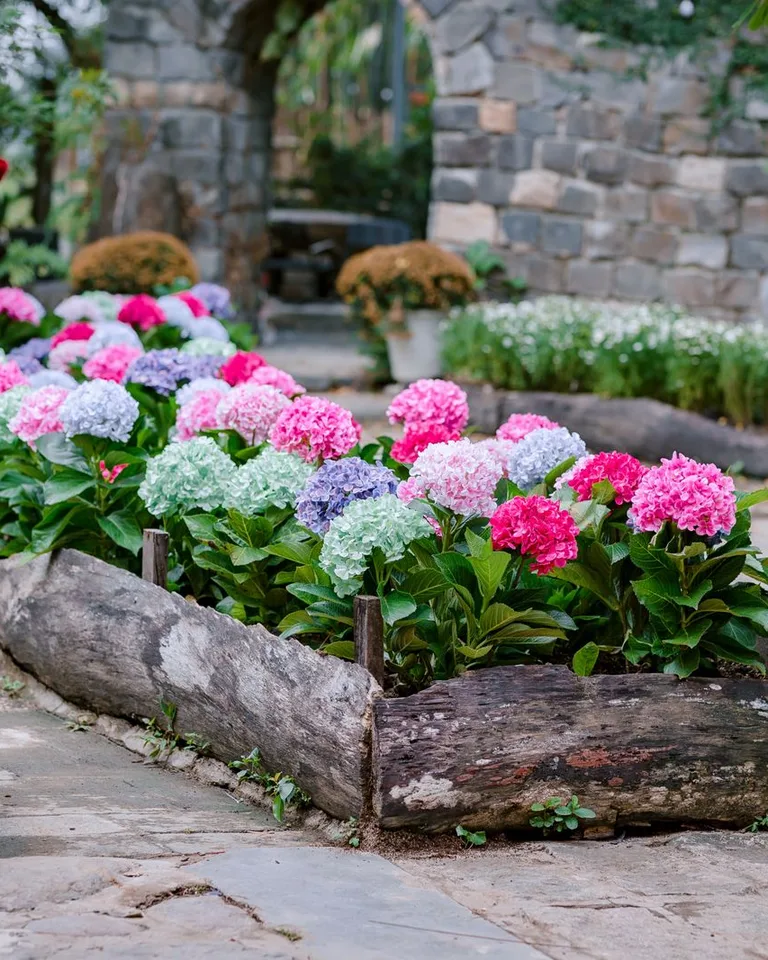
For shadier drives, hydrangeas bring the lushness. Their big summer blooms soften the hard lines of pavement, and the dried flower heads look sculptural through winter. Panicle types handle sun; bigleaf types want afternoon shade.
Give them room — most reach 4–6 feet wide. Plant them 3 feet off the driveway edge so mature branches don’t brush the cars. A natural wood border keeps the bed crisp.
8. Add Formal Stone Urns at the Entrance
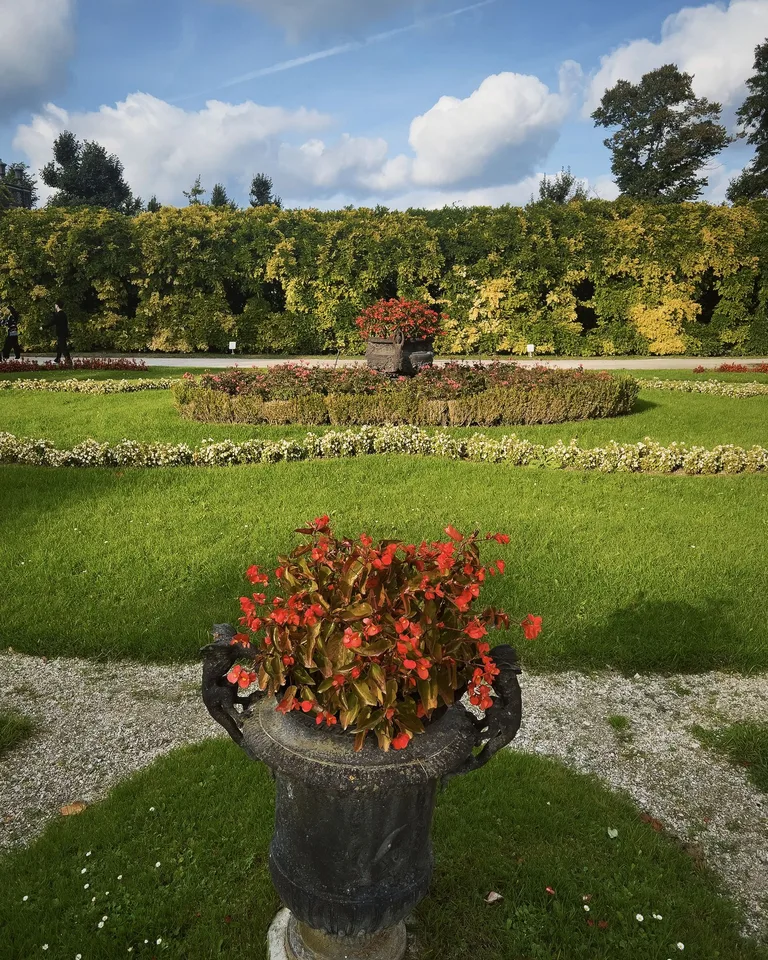
A pair of stone urns flanking the driveway entrance signals “someone designed this” instantly. Fill them seasonally — spring bulbs, summer annuals, fall mums, winter greens — and they become a year-round focal point.
Scale matters: urns should be at least 24 inches tall to read from the street. Weight them with gravel at the base so they can’t tip, and drill drainage holes if they don’t have them.
9. Go Big on Spring Bulb Drifts

Beyond the driveway edge, drift hundreds of bulbs through the adjacent lawn or beds for a meadow effect each spring. Naturalizing varieties — species tulips, daffodils, alliums — come back yearly with zero fuss and multiply over time.
Plant in irregular drifts, not rows, tossing handfuls and planting where they land for the most natural look. Mark the area so nobody mows the foliage before it yellows.
10. Try Succulent Strips for Dry Climates
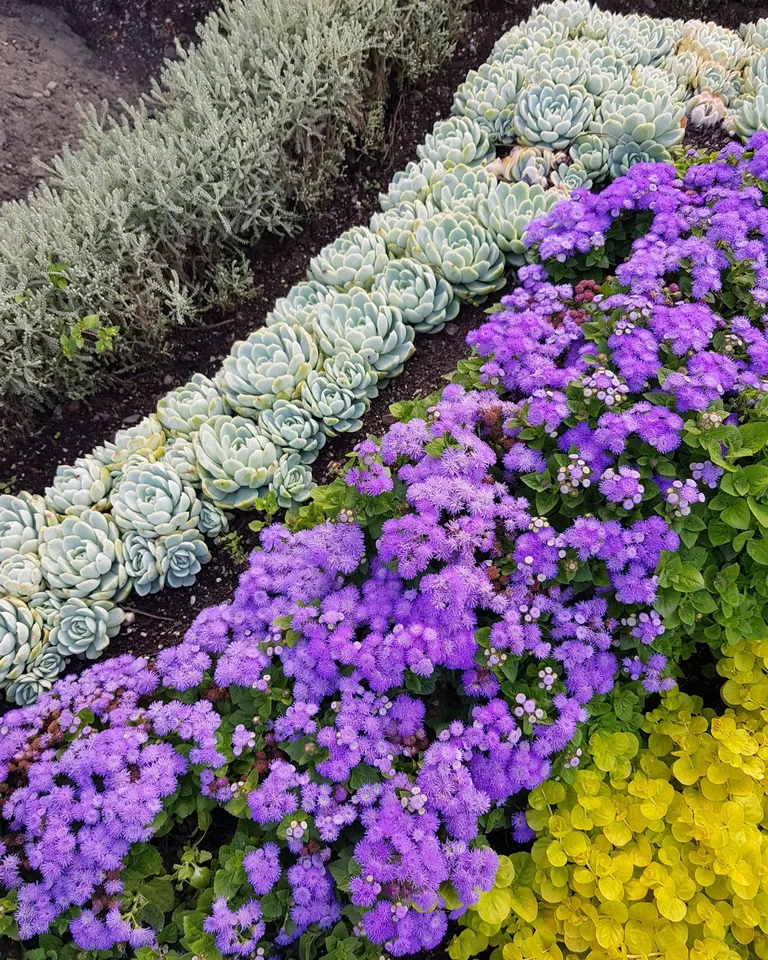
In hot, dry regions, a succulent border along the driveway is both beautiful and nearly water-free. Agaves, sedums, and echeverias thrive in the reflected heat that fries thirstier plants, and their sculptural forms look modern against pavement.
Top the bed with gravel mulch rather than bark — it suits the aesthetic, suppresses weeds, and keeps crowns dry. Leave access gaps so you can reach every plant without stepping on the bed.
11. Keep It Minimalist and Modern

For contemporary homes, restraint wins: one repeated grass, crisp concrete edges, and a limited palette. A narrow band of ornamental grass or mondo grass along a geometric drive echoes the architecture instead of fighting it.
The minimalist look demands perfect maintenance — crisp edges, no weeds — because there’s nothing to hide behind. An hour of edging a month keeps it sharp. Store the tools neatly with these cheap garage organization ideas so upkeep stays painless.
12. Line a Long Drive With Palms
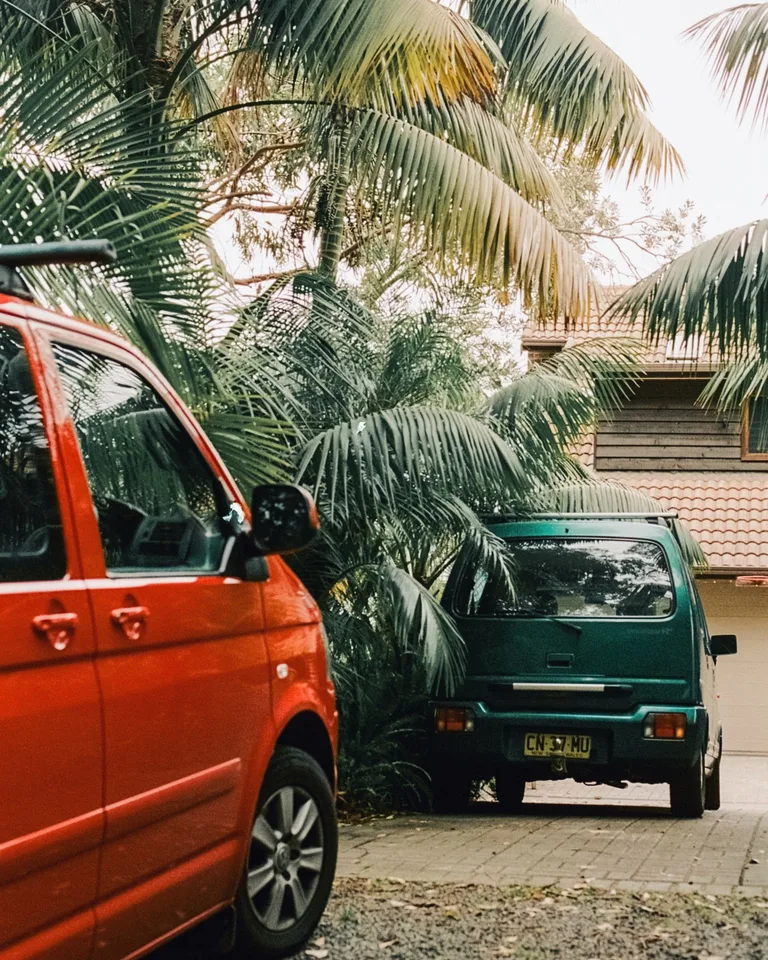
Nothing says arrival like an allée of palms. In warm climates, a matched row of palms along a long driveway creates instant resort drama and frames the house like a destination. Even three pairs near the entrance give you the effect on a smaller lot.
Choose a species suited to your zone and mature size — a palm that wants to be 60 feet tall doesn’t belong 8 feet from the drive. Budget for professional trimming; DIY palm pruning is how ladders meet emergency rooms.
13. Connect Drive to Door With a Stone Path
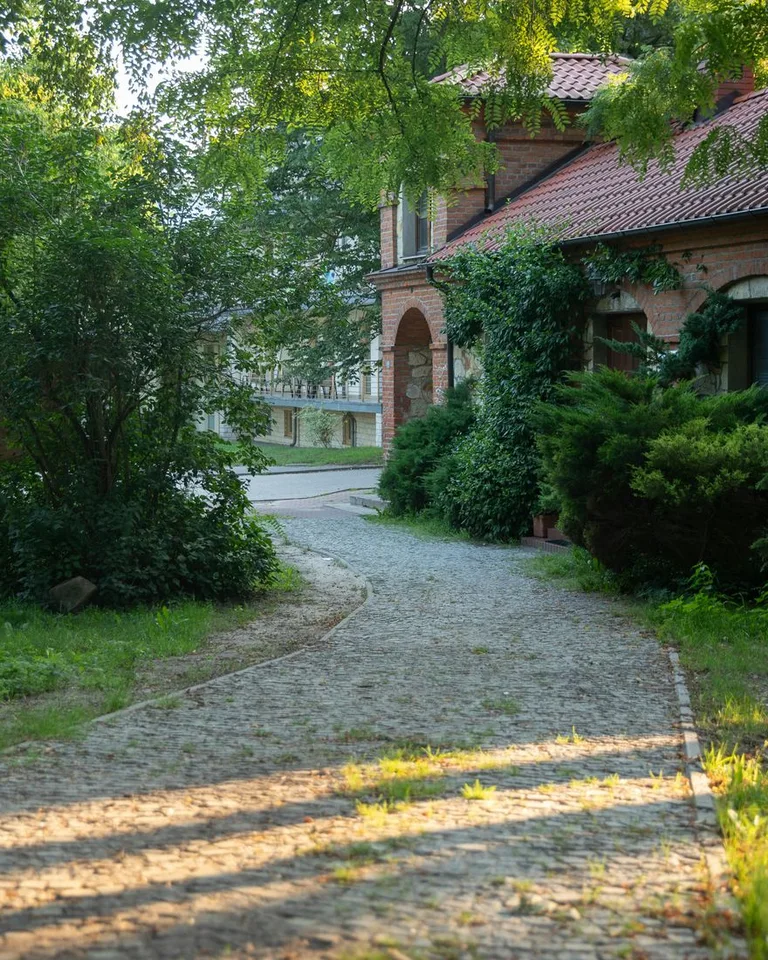
Guests shouldn’t have to walk on the driveway to reach your front door. A dedicated stone or paver path from the drive to the entry — flanked by low planting — makes arrivals feel welcoming and keeps foot traffic off the planting beds.
Make the path at least 4 feet wide so two people can walk side by side, and light it (see below) so it’s safe after dark. This one change upgrades the whole front experience.
14. Consider a Circular Drive
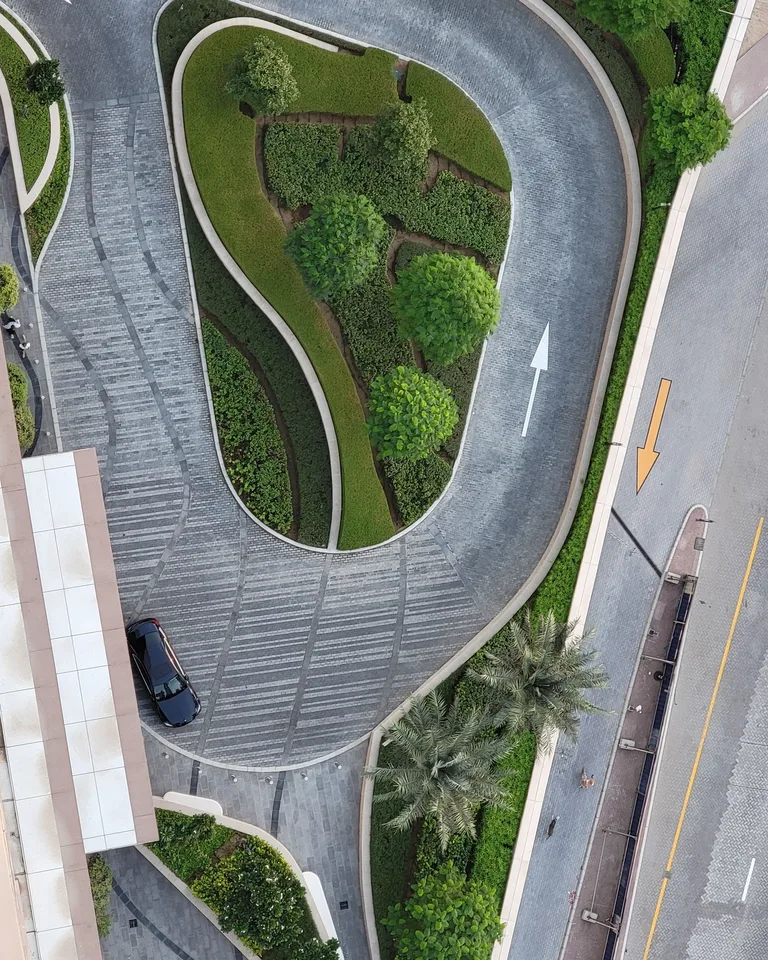
On larger lots, a circular or loop driveway eliminates three-point turns and creates a natural island bed in the middle — prime real estate for a specimen tree, fountain, or seasonal display. It’s the most gracious arrival sequence a house can offer.
Check local setback and impervious-surface rules before planning; some municipalities limit total paved area. The island bed needs irrigation if you plant anything thirstier than lawn.
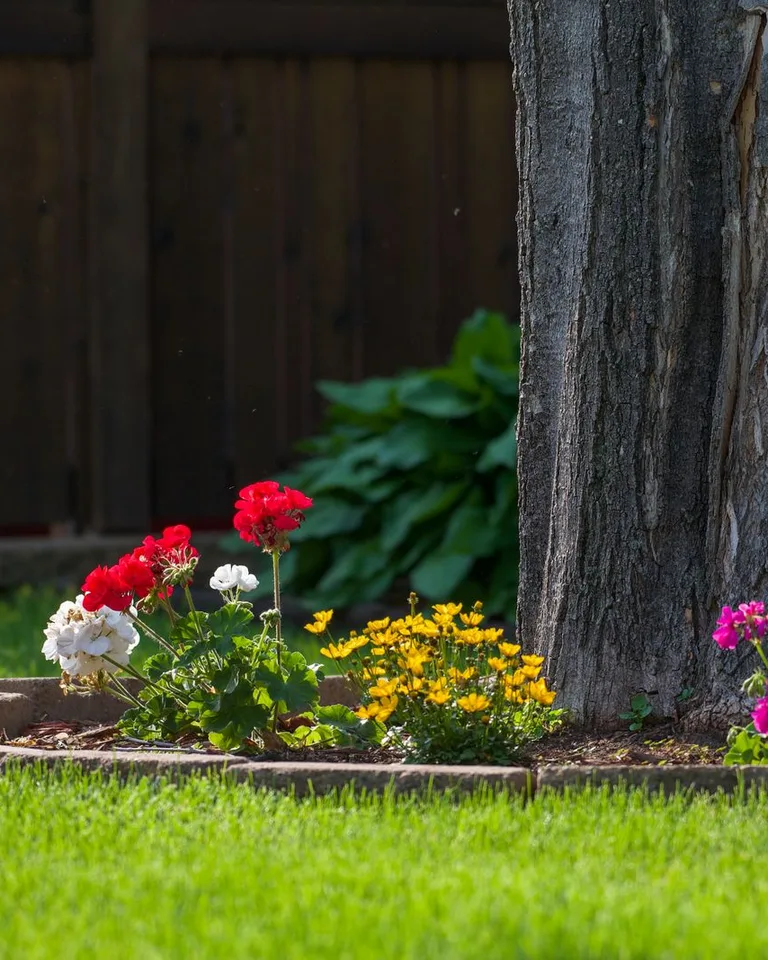
15. Light the Way After Dark

Low-voltage path lights along the driveway edges extend the landscaping’s beauty into the night and make the drive safer. Solar options work for casual accents; wired low-voltage kits give reliable, even light for the main run.
Space fixtures 8–10 feet apart and aim for pools of light rather than a runway — subtle is the goal. Warm white (2700–3000K) flatters both plants and pavers. A timer or photocell means you never think about it again.
Frequently Asked Questions
How can I landscape around my driveway cheaply?
Start with edging and mulch — a crisp edge plus 3 inches of mulch makes any bed look professional for under $100. Add daylilies or ornamental grasses (often free from neighbors dividing theirs), and upgrade to pavers or stone only when budget allows.
What are the best low-maintenance plants for driveway borders?
Daylilies, ornamental grasses, lavender, sedum, and dwarf shrubs like boxwood or inkberry. They tolerate heat reflected off pavement, need little water once established, and stay tidy without constant pruning.
How do I landscape a sloped driveway?
Terrace the slope with low retaining walls to create level planting shelves, which also control erosion. Use textured paving for traction, plant deep-rooted shrubs and grasses to hold soil, and run a gravel channel along the low edge for drainage.
What is the cheapest driveway material?
Gravel is cheapest upfront and easy to refresh, followed by plain concrete. Pavers and natural stone cost more initially but individual units are repairable, which can make them cheaper over decades. Factor maintenance into the real cost.
How wide should planting beds be along a driveway?
Minimum 2 feet for a simple single row of plants; 3–4 feet for layered planting with real depth. Wider beds look more generous and give roots room, but keep the first 12 inches off the pavement clear of anything that will flop onto the drive.
Do I need edging along my driveway planting beds?
Yes — edging is what separates “landscaped” from “overgrown.” Steel, stone, or brick edging keeps mulch in and grass out, protects plants from tires and trimmers, and gives the whole drive a crisp, finished line. It’s the cheapest high-impact element in driveway landscaping.
Planning the bigger picture? These cottagecore kitchen ideas include herb-garden tips that work beautifully as edible driveway borders, and a DIY house-number sign on the garage wall ties the whole entry together. In autumn, pumpkin porch decor ideas make that entry unforgettable.