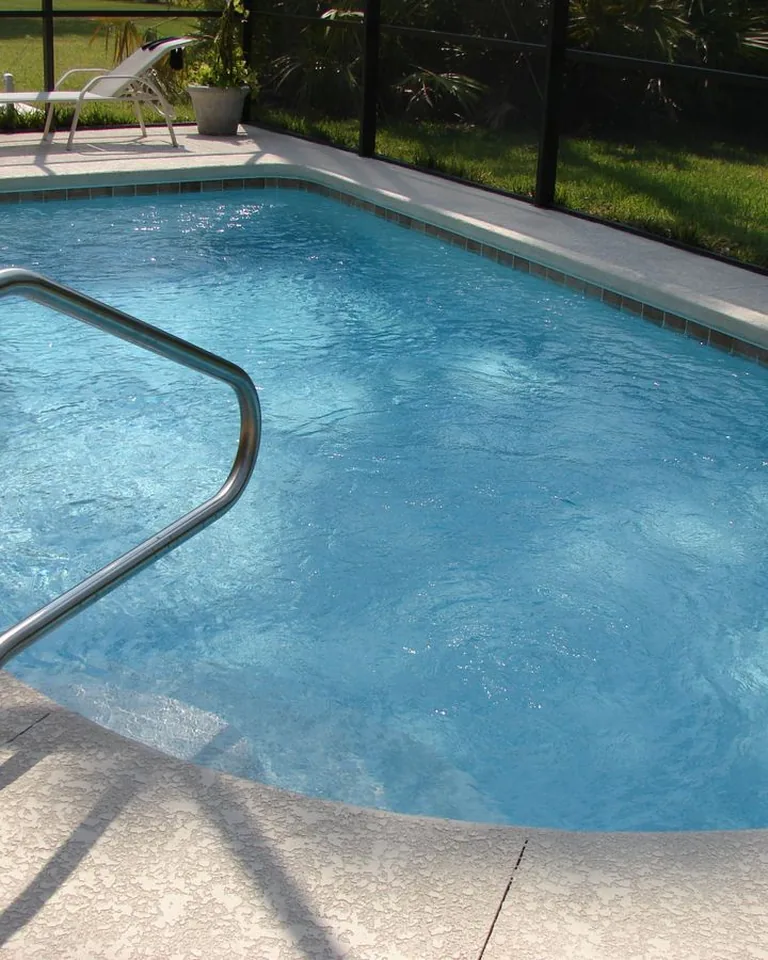
15 Pool Filter Hacks for Crystal-Clear Water (No Replacement Needed)
A pool filter doesn’t need replacing nearly as often as pool stores suggest. Weak flow, rising pressure, and hazy water are usually maintenance problems, not equipment problems — and a handful of smart hacks can restore your filter to near-new performance for almost nothing.
These 15 pool filter hacks cover every filter type — sand, cartridge, and DE — and most take under 20 minutes. Start at the top and work down; by hack five your pressure gauge will already be telling a happier story.
1. Backwash When Pressure Climbs 8–10 PSI Above Normal
The number one filter hack is also the simplest: watch the gauge. Every filter has a “clean” baseline pressure — when the needle climbs 8–10 PSI above it, flow is choked and your pump is working overtime for diminishing returns. Backwashing at the right moment restores flow instantly.
Write your clean pressure on tape stuck to the filter tank so you never have to guess. Don’t backwash on a schedule alone — backwashing too often wastes water and, on sand filters, actually reduces filtration efficiency since a slightly dirty sand bed filters finer particles.
2. Empty Skimmer and Pump Baskets Twice a Week
No filter can do its job if it’s starved of water. Clogged baskets restrict flow before water even reaches the filter, forcing the pump to strain and dropping your turnover rate. In leafy yards or after wind, baskets can pack solid in days.
Make basket-emptying a twice-weekly habit in season — it takes two minutes. Pop the baskets out, tap out debris, and give them a quick hose rinse monthly so fine grit doesn’t cement into the mesh.
3. Toss Tennis Balls in the Skimmer to Absorb Oils
Sunscreen, body oils, and lotions form a film that coats filter media and reduces its effectiveness — and no amount of backwashing fully removes it. Tennis balls’ fuzzy felt is naturally absorbent and grabs those oils right at the skimmer before they reach the filter.
Drop two or three clean tennis balls in each skimmer basket. Replace them when they look saturated and grimy, usually every few weeks in heavy swim season. It’s a near-zero-cost hack that measurably extends time between deep filter cleanings.
4. Soak Cartridges in Filter Cleaner, Don’t Just Hose Them
Hosing a cartridge removes visible debris but leaves behind the invisible stuff: body oils, sunscreen, and mineral scale embedded deep in the pleats. Over time that buildup hardens, flow drops permanently, and owners assume the cartridge is “worn out.”
Once or twice a season, soak cartridges overnight in a bucket with a dedicated filter cleaning solution (or a TSP substitute per product directions), then rinse thoroughly. You’ll be shocked how much brown gunk releases — and how far the pressure drops afterward. Cartridges treated this way routinely last years longer.
5. Use a Filter Flosser Nozzle on Your Garden Hose
A standard hose nozzle sprays wide and wastes water while barely reaching between cartridge pleats. A filter flosser attachment concentrates the stream into a fan that blasts debris from deep in the folds without damaging the media.
Work top to bottom, rotating the cartridge as you go, and rinse both sides of every pleat. The whole job takes about ten minutes per cartridge and uses far less water than a lazy all-over spray. Keep one hanging by the hose bib so there’s no excuse.
6. Inspect and Replace Worn O-Rings and Seals
Mysterious air bubbles in the pump basket, weak suction, or a filter that never quite pressurizes right often trace back to a five-dollar O-ring. Cracked or flattened seals let air into the system, which kills flow efficiency and makes the filter behave like it’s clogged when it isn’t.
Once a season, pull the pump lid and filter tank O-rings, check for cracks or flat spots, and apply a silicone-based pool lubricant (never petroleum jelly, which degrades rubber). Keep a spare O-ring kit with your organized pool supplies so a failed seal is a ten-minute fix, not a lost weekend.
7. Split Pump Time Into Morning and Evening Cycles

One marathon pump run leaves long stagnant stretches where debris settles and sanitizer sits unused. Two shorter cycles — morning and evening — keep water moving when it matters: after overnight debris drop and after the day’s swimming.
Aim for the same total hours (8–12 in summer), just divided. A simple two-event timer handles it automatically. You’ll notice skimmers catch more and the water stays more uniformly chlorinated, which takes load off the filter.
8. Run Filtration During Off-Peak Electricity Hours
Filtration is one of a home’s bigger electricity draws, and many utilities charge far less overnight. Shifting most of your pump schedule to off-peak hours can cut the energy cost of crystal-clear water substantially without changing total run time.
Check your utility’s time-of-use rates, then program the timer so the bulk of filtration lands in the cheap window. Pair this with a variable-speed pump running low and slow, and filtration gets dramatically cheaper per gallon turned over.
9. Slip a Skimmer Sock Over the Basket

Standard skimmer baskets let fine debris — pollen, dust, tiny insects — sail straight through to the filter, where it loads up the media fast. A skimmer sock (a fine mesh sleeve) catches that micro-debris at the basket, where it’s trivial to remove.
Stretch a sock over each skimmer basket and swap or rinse it every few days in pollen season. You’ll empty the main basket less, backwash less, and your filter media stays cleaner between deep cleans. A pack of socks costs less than one bottle of clarifier.
10. Keep Calcium Hardness Balanced to Prevent Scale
In hard-water areas, calcium scale quietly plates the inside of filter media, laterals, and plumbing — narrowing every pathway water takes. Flow drops, pressure climbs, and no amount of backwashing dissolves mineral scale.
Keep calcium hardness in the 200–400 ppm range and pH in check, since high pH accelerates scaling. If scale has already built up, a descaling product made for pool systems can restore flow without replacing media. Prevention, as always, is cheaper than the cure.
11. Rotate Two Cartridges: One Working, One Soaking
The best cartridge clean is a long, unhurried soak — but nobody wants the pool offline for a day. The fix: own two sets of cartridges. Swap in the clean dry set, then soak and dry the dirty set at leisure.
Fully dried cartridges actually filter better, since drying kills trapped organics and resets the media. Rotation also means each set lasts longer overall. The upfront cost of a spare set pays for itself the first time you skip an emergency pool-store run.
12. Brush Walls Weekly So the Filter Isn’t Doing It All

Your filter can only remove what’s suspended in the water. Algae biofilm clinging to walls and steps never reaches the filter at all — until it sloughs off in a bloom that overwhelms the system in one shot.
Weekly brushing dislodges biofilm while it’s microscopic, letting the filter capture it easily. Fifteen minutes with the right brush (nylon for vinyl, steel for plaster) cuts your filter’s workload enormously and keeps pressure readings stable between cleanings.
13. Swap Branded Alkalinity Increaser for Baking Soda

This one’s about what goes through your filter, not the filter itself. Branded alkalinity increaser is sodium bicarbonate — identical to the baking soda in your kitchen — at several times the price. Every dollar saved is a dollar, but there’s a filter angle too.
Proper alkalinity (80–120 ppm) stabilizes pH, and stable pH keeps sanitizer effective, which means less organic load and fewer emergency chemical dumps for your filter to process. Test monthly, adjust with plain baking soda, and keep the whole system calmer. Store it with your other supplies in a tidy, labeled zone so dosing stays effortless.
14. Vacuum to Waste After Storms Before Filtering
After a big storm, your pool floor holds a season’s worth of debris in one afternoon. Vacuuming all of that through the filter in one go can pack the media solid and spike pressure into the red zone.
For heavy debris loads, vacuum to waste (bypassing the filter) first, then let the filter polish the remaining fine particles. Yes, you lose some water — but you save the filter from a brutal loading event. Top up, rebalance, and your filter thanks you.
15. Log Pressure Readings to Spot Trouble Early
Filters rarely fail overnight — they decline gradually, and owners adapt to the slow fade until something dramatic happens. A simple log turns invisible decline into an obvious trend you can act on weeks early.
Jot the pressure reading on a card taped inside your equipment area every week, noting cleanings and backwashes. When the interval between cleanings starts shrinking, that’s your early warning: time for a deep soak, a media inspection, or a seal check — before performance collapses mid-season.
Frequently Asked Questions
How can I make my pool filter work better?
Start with the free wins: empty baskets twice weekly, backwash or clean media when pressure rises 8–10 PSI, and brush walls weekly so the filter isn’t fighting biofilm. Then add a skimmer sock and a seasonal deep soak of the media.
How often should I backwash my pool filter?
Backwash when the pressure gauge reads 8–10 PSI above your clean baseline — not on a fixed schedule. For most residential pools that’s every few weeks in season, but heavy debris or algae events shorten the interval.
Why is my pool filter pressure high?
High pressure means restricted flow: dirty or scaled media, clogged baskets, closed valves, or air leaks. Check baskets and valves first (free), then clean the media; if pressure stays high after a deep clean, suspect scale or worn internals.
Can I use baking soda in my pool?
Yes — plain baking soda is sodium bicarbonate, the exact active ingredient in pool-store alkalinity increaser. Use it to raise total alkalinity into the 80–120 ppm range, dosing by pool volume and retesting after circulation.
Do skimmer socks really work?
They genuinely help. The fine mesh catches pollen, dust, and tiny debris that passes straight through standard baskets, keeping it out of your filter media. Rinse or replace the sock every few days during heavy pollen season.
How many hours a day should I run my pool filter?
Run 8–12 hours daily in peak swim season and 4–6 in winter, split across morning and evening for best results. Increase run time by a couple of hours after storms or heavy pool parties until the water is polished.
Your filter is the hardest-working piece of equipment you own — treat it that way and it’ll return the favor with years of trouble-free service. Most “filter problems” are really maintenance gaps, and closing those gaps costs almost nothing. And since a well-kept pool usually sits beside a well-kept patio, it’s worth giving the surroundings the same attention: if your setup includes a spa, the same filter-first discipline keeps it pristine too (a serene bathing space starts with clean, balanced water), while the lounge wall might deserve some thoughtful styling and the pool house a ceiling upgrade — because the cottage-style touches you love indoors work just as well around the water.