15 Small Closet Organization Ideas That Double Your Storage
You open the closet door, something falls on your head, and you close it again and pretend it didn’t happen. A small closet doesn’t have to be a black hole where clothes go to disappear — but no organizer, bin, or clever hanger will fix a closet that’s stuffed beyond its capacity. The order of operations matters: edit first, measure second, buy storage third.
Do it in that order and even the tiniest reach-in closet can hold a full wardrobe, shoes included, with everything visible and reachable. Here are fifteen ideas that actually move the needle, from the cleanout that makes everything else possible to the five-minute habit that keeps it working.
Why Small Closets Fail
Most small closets fail for the same three reasons: too much stuff for the space, a single rod-and-shelf setup that wastes the top two feet, and no zones — so everything lands wherever there’s room. Fix those three and the closet practically runs itself. Every idea below targets one of them.
1. Start With a Full Cleanout
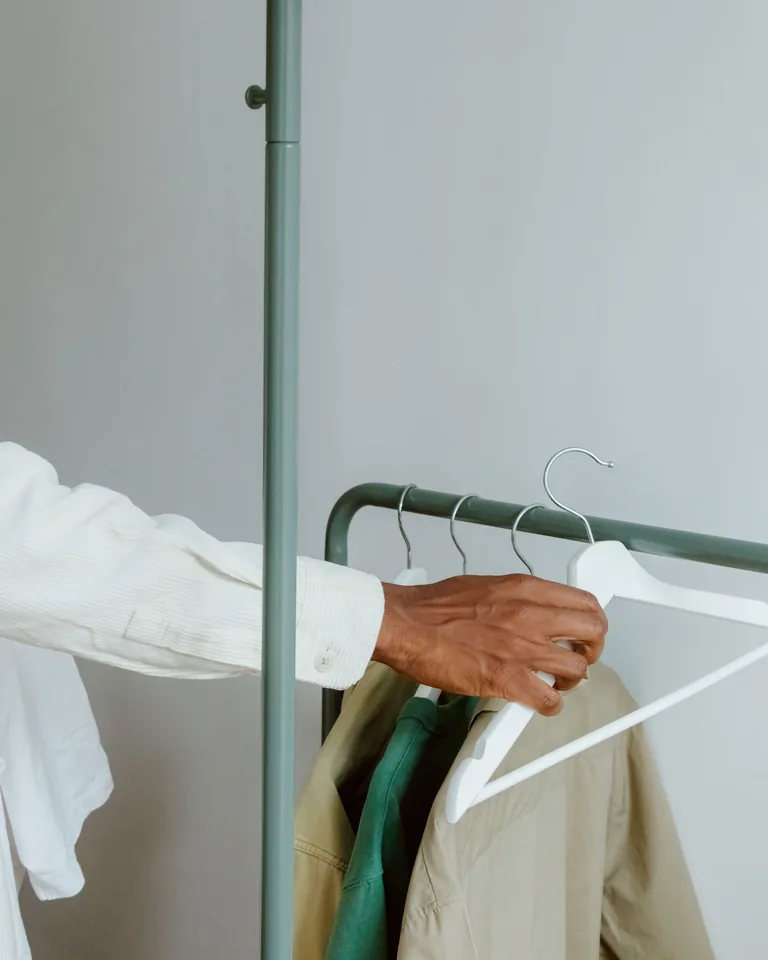
Pull everything out. Every single item, onto the bed or floor. Then sort into three piles: keep (you wear it regularly), donate or sell (good condition, someone else would use it), toss (worn out, broken, done). Be ruthless — the jacket you haven’t worn in four years isn’t coming back into rotation. Organization without editing is just rearranging chaos, and a closet edited down to what you actually wear is already halfway organized before you buy a single product.
2. Measure Before You Buy Anything
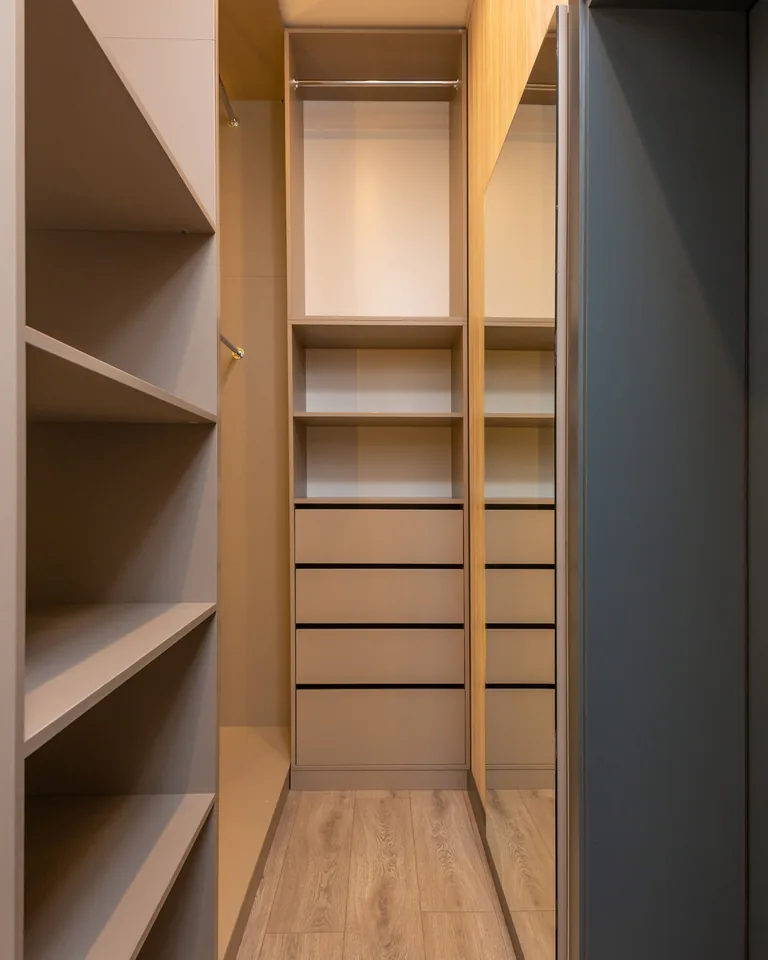
With the closet empty, measure everything: width, height, depth. Write it down. People constantly buy storage products that don’t fit — a shelf that’s an inch too deep, bins that won’t clear the door — and it’s such an avoidable headache. Your exact dimensions shape every purchase from here: rod lengths, shelf widths, bin sizes, whether a second rod will actually fit. This ten-minute step saves more money than any sale.
3. Add a Double Hanging Rod
The highest-impact structural change: split part of your single rod into a double-hang section. A second rod below the first doubles hanging capacity for shirts, folded pants, and jackets in the same horizontal space. Keep one full-length section for dresses and long coats. A tension rod works for renters and costs almost nothing; a mounted rod is sturdier. Either way, this one change effectively doubles the closet.
4. Switch to Slim Velvet Hangers
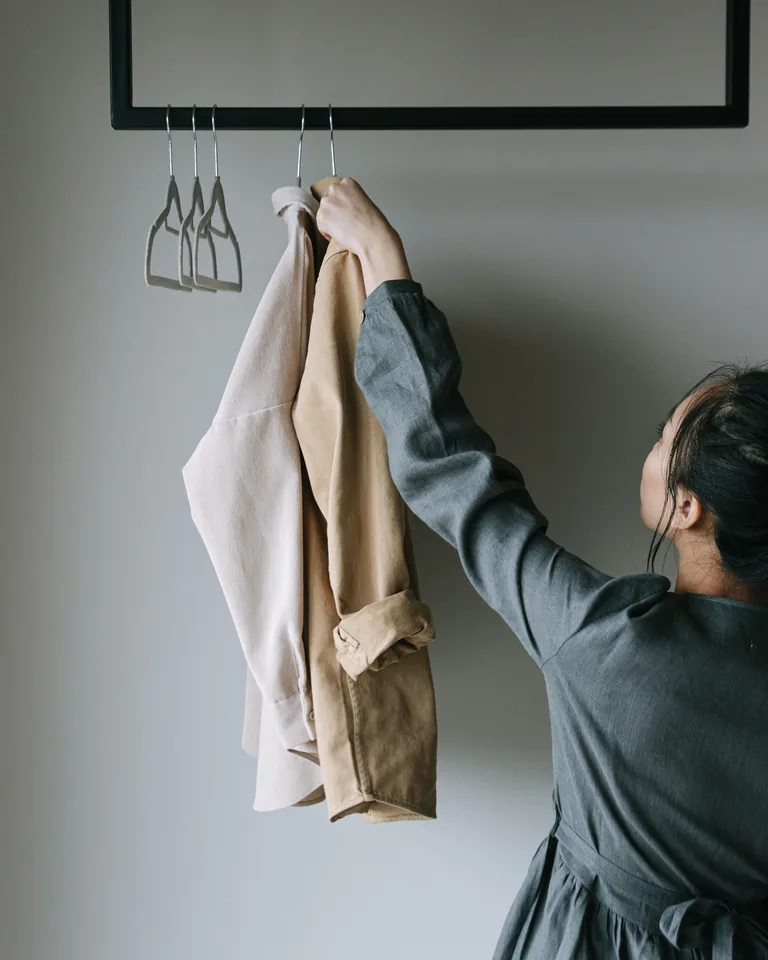
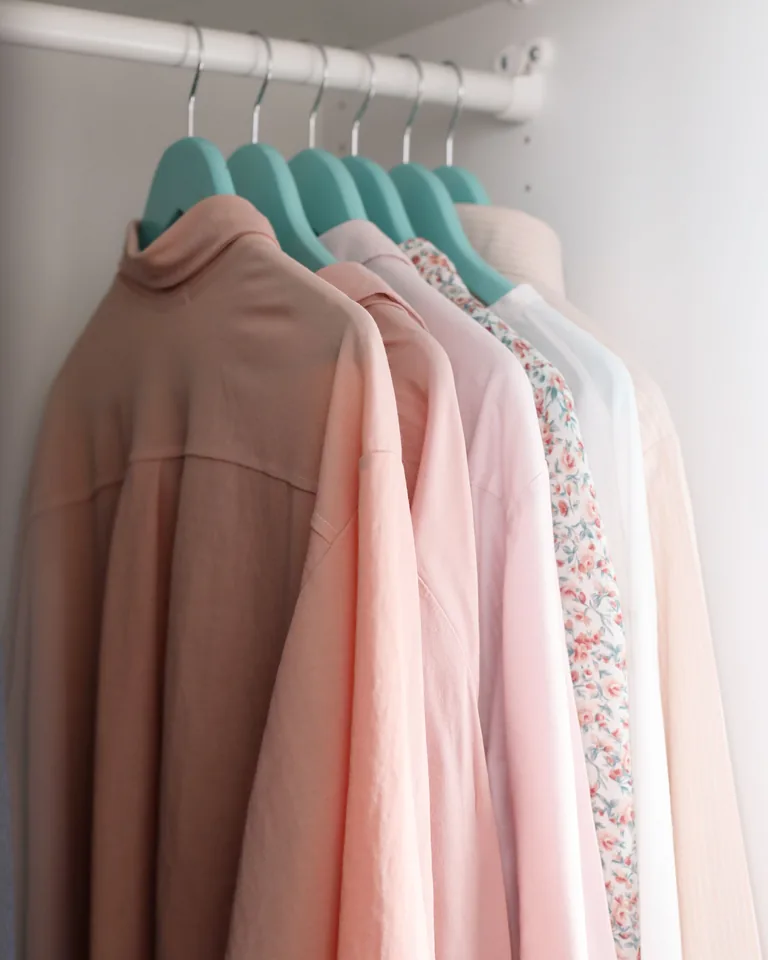
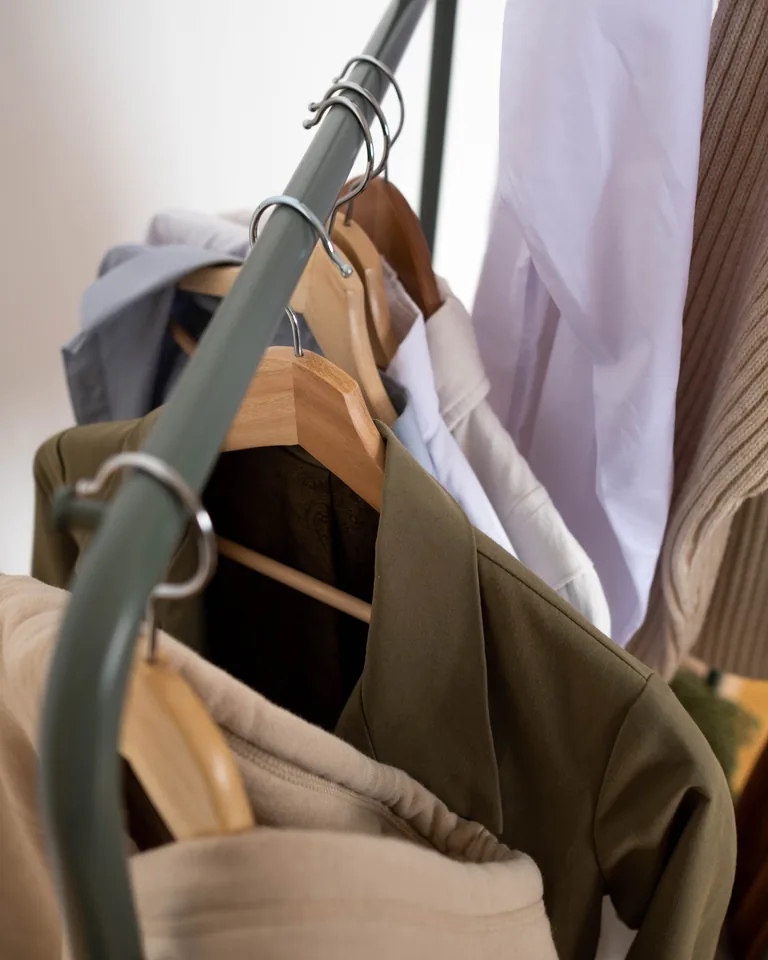
Swap bulky plastic and wire hangers for slim velvet ones and you’ll fit noticeably more on the same rod — the slim profile alone reclaims inches across a full closet. Velvet is also non-slip, so clothes stay put instead of sliding into a heap. And matching hangers make even a tiny closet look calm and intentional, which matters more than it sounds: visual order makes the space feel bigger and makes you more likely to keep it that way.
5. Use the Top Shelf With Labeled Bins
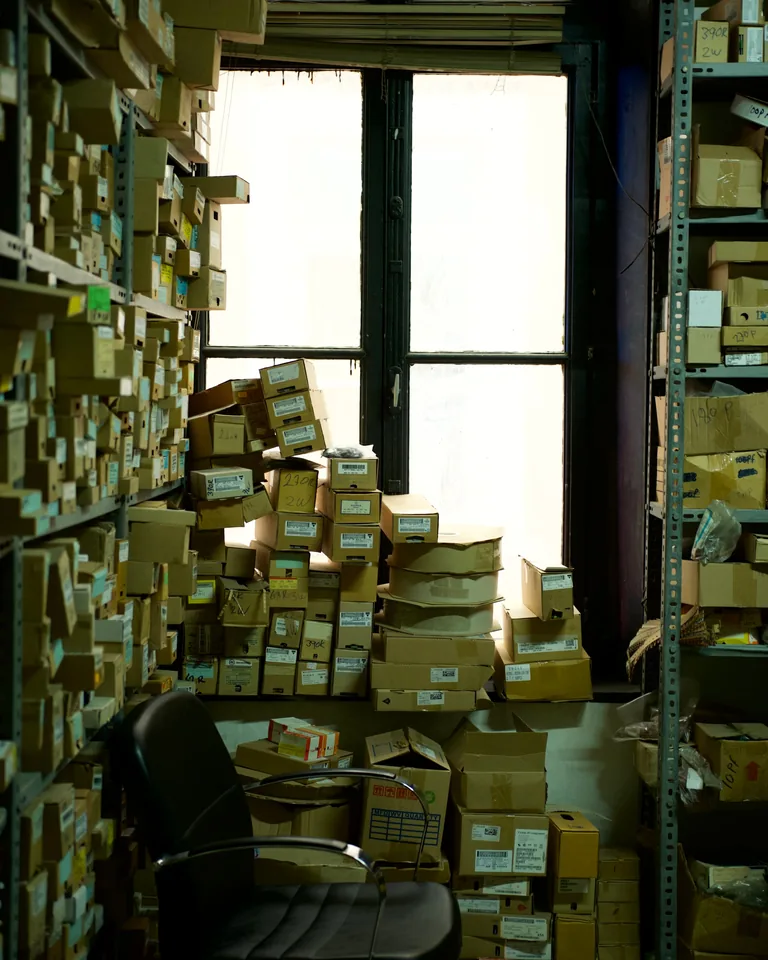
The top shelf is usually a dumping ground. Make it intentional instead: clear bins with lids for seasonal items, luggage, and rarely-used pieces, every bin labeled so you can find things without pulling everything down. Clear beats opaque here — if you can’t see it, you’ll forget it exists. Keep a small step stool nearby so the shelf stays genuinely accessible instead of theoretically accessible.
6. Take Over the Back of the Door

The back of the closet door is premium real estate that most people waste on a single hook. An over-the-door organizer — shoe pockets, slim racks, or a row of sturdy hooks — adds a whole extra storage zone with zero drilling, perfect for renters. Shoes, bags, belts, scarves, and accessories all live happily here. It’s essentially a second closet hiding in plain sight, and it’s the fastest win on this list.
7. Give Shoes a Real System
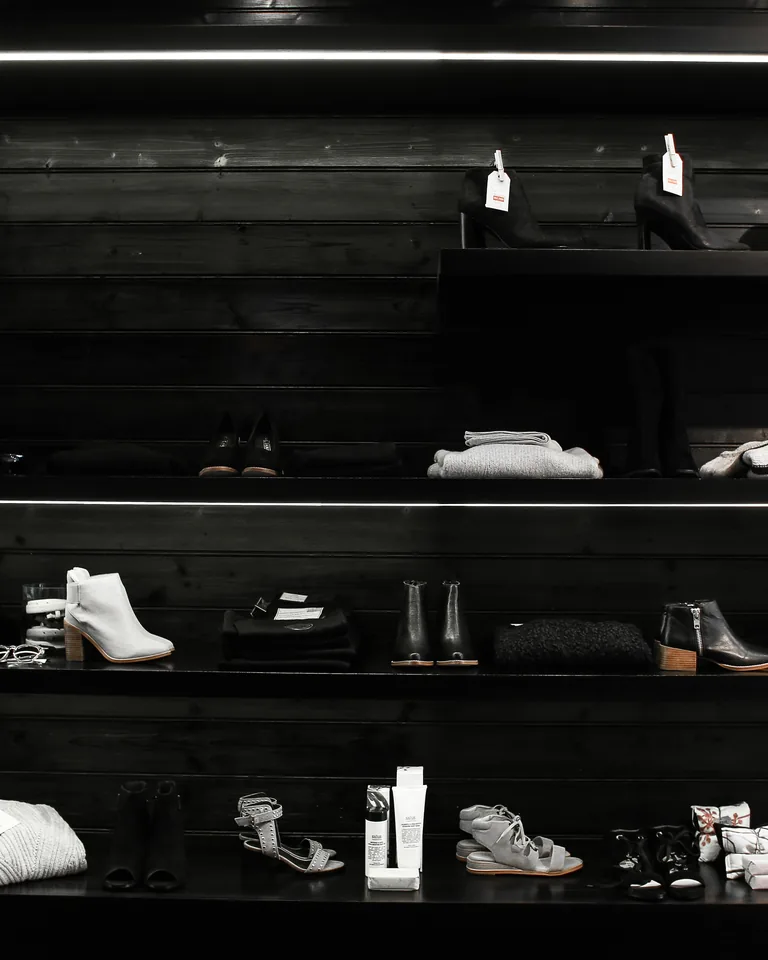
Shoes eat closet space faster than anything else. Angled-tier racks fit more pairs per linear foot than a flat shelf; over-the-door pockets handle flats and sneakers; clear stackable boxes protect the good pairs and stack neatly. And be honest about volume: seasonal shoes live perfectly well in labeled bins under the bed. The closet should hold the current rotation, not the archive. For the pairs that stay, the same zone logic in these small walk-in pantry ideas applies — group by use, keep the daily pairs at grab height.
8. Add Shelf Dividers

Folded sweaters and jeans topple sideways and turn a shelf into a leaning tower within a week. Shelf dividers — a few dollars each — keep every stack upright and separated, and one set can keep a whole shelf looking organized for months. They’re the smallest purchase on this list and one of the most effective, especially for deep shelves where stacks migrate.
9. Standardize on Stackable Bins
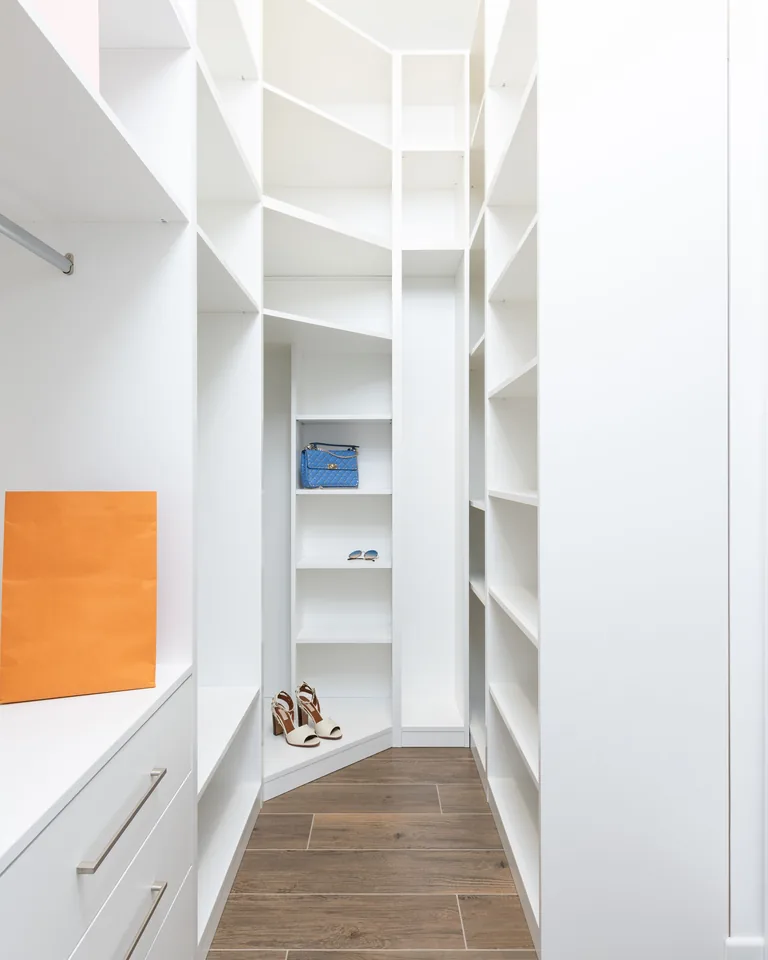
For shelves and floor space, use stackable bins in uniform sizes and stick to one or two styles throughout. Mixed random containers look chaotic even when they’re technically organized; matching bins create visual order that makes the closet feel bigger. Choose a size that fits your shelf depth, label the fronts, and reserve them for categories — gym clothes, off-season, accessories — not for “miscellaneous,” which is where organization goes to die.
10. Hang Fabric Shelf Organizers
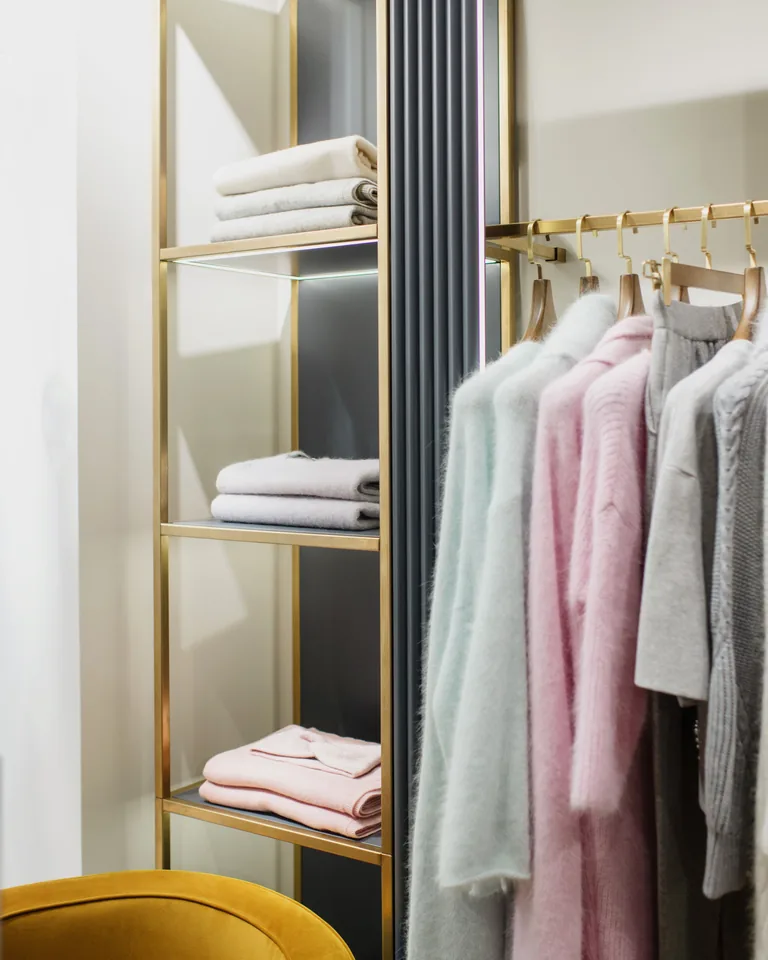
A fabric hanging organizer that hooks over the rod adds five or six cubbies of folded storage with no installation at all — perfect for sweaters, jeans, handbags, or kids’ clothes. It’s the fastest way to add “drawers” to a closet that has none, and it costs less than a pizza. Roll rather than fold inside the cubbies to fit more and see everything at a glance.
11. Mount Hooks on Every Spare Surface
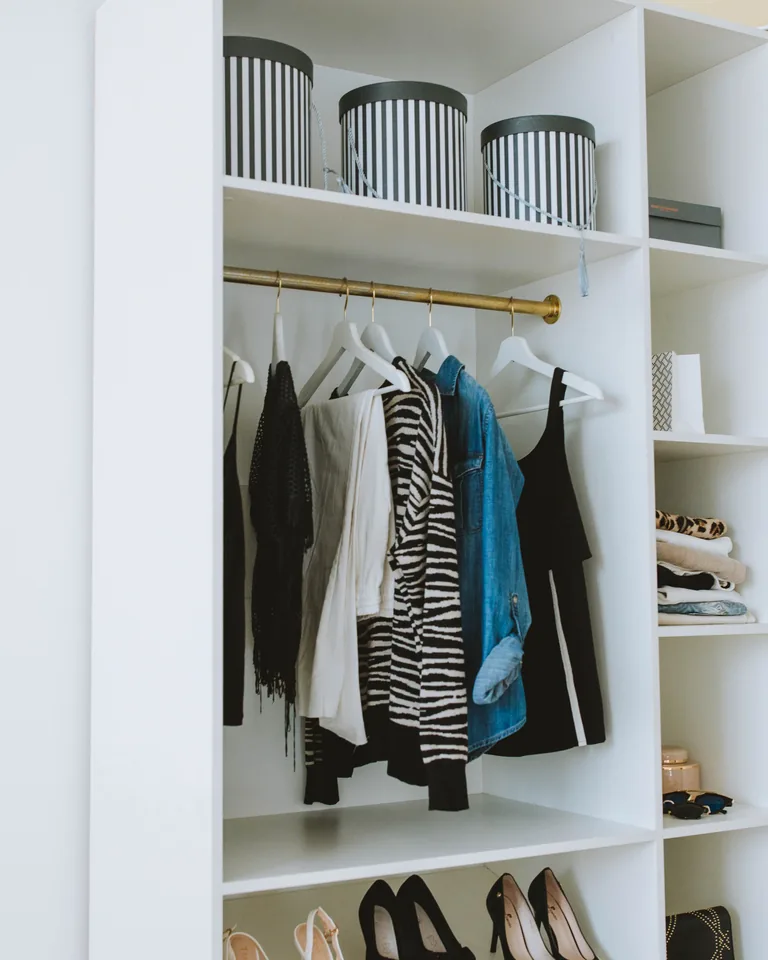
Inside walls, the door, the side panels — any flat surface can hold hooks for bags, belts, scarves, hats, and tomorrow’s outfit. Wall-mounted hooks on either side of a narrow closet turn dead air into storage for the grab-and-go items that otherwise end up on the floor. For renters, heavy-duty adhesive hooks hold a surprising amount and remove cleanly. This is also where a pretty hook rail earns its keep as decor, not just storage — the same idea behind these ways to fill a blank wall without buying art.
12. Sort by Category, Then by Color
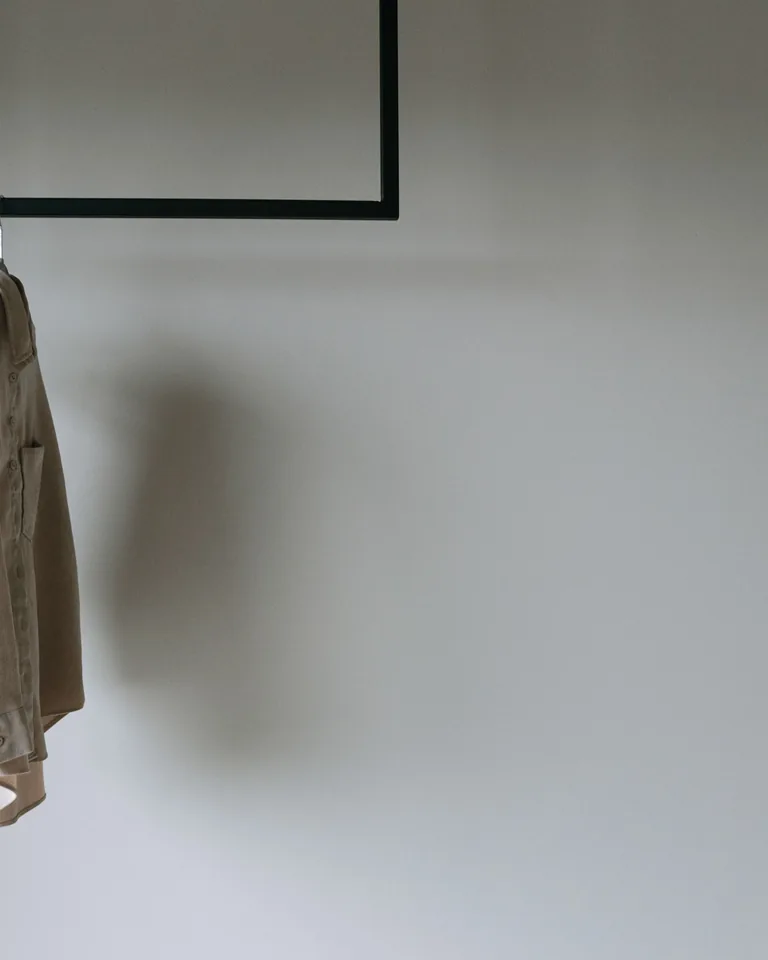
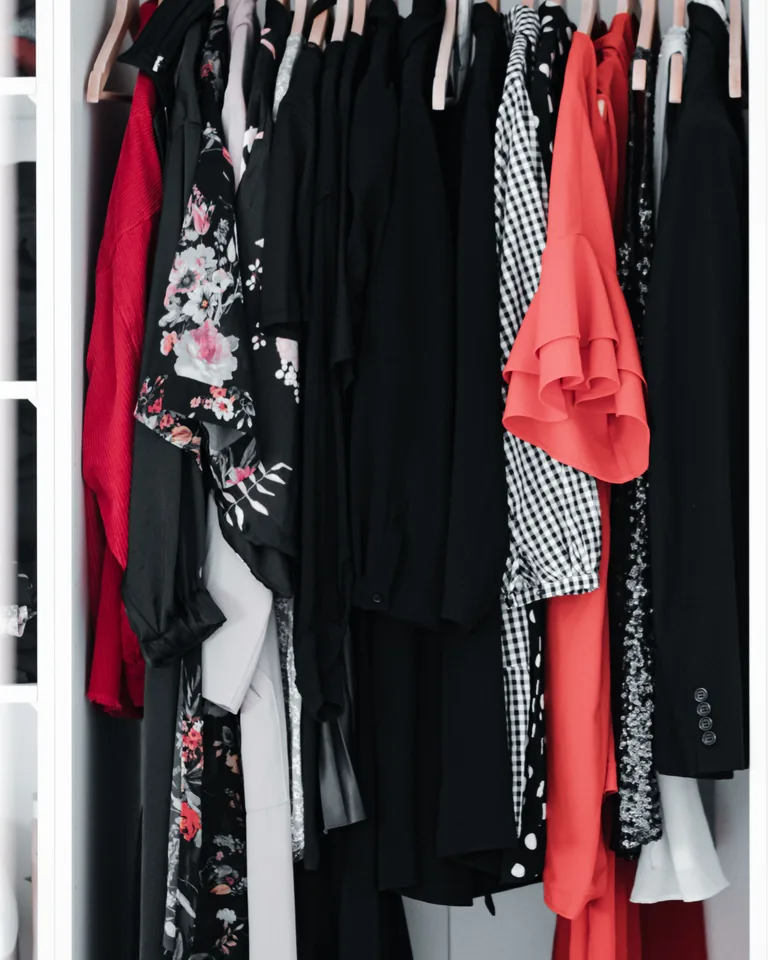
Group like with like — all the t-shirts together, all the pants together — then sort each category light to dark. It sounds fussy, but it cuts getting-dressed time dramatically because you can see every option in a category at once instead of hunting. It also exposes duplicates and gaps instantly: three black cardigans, zero white tees. In a small closet where every inch matters, visibility is everything.
13. Rotate Seasonally
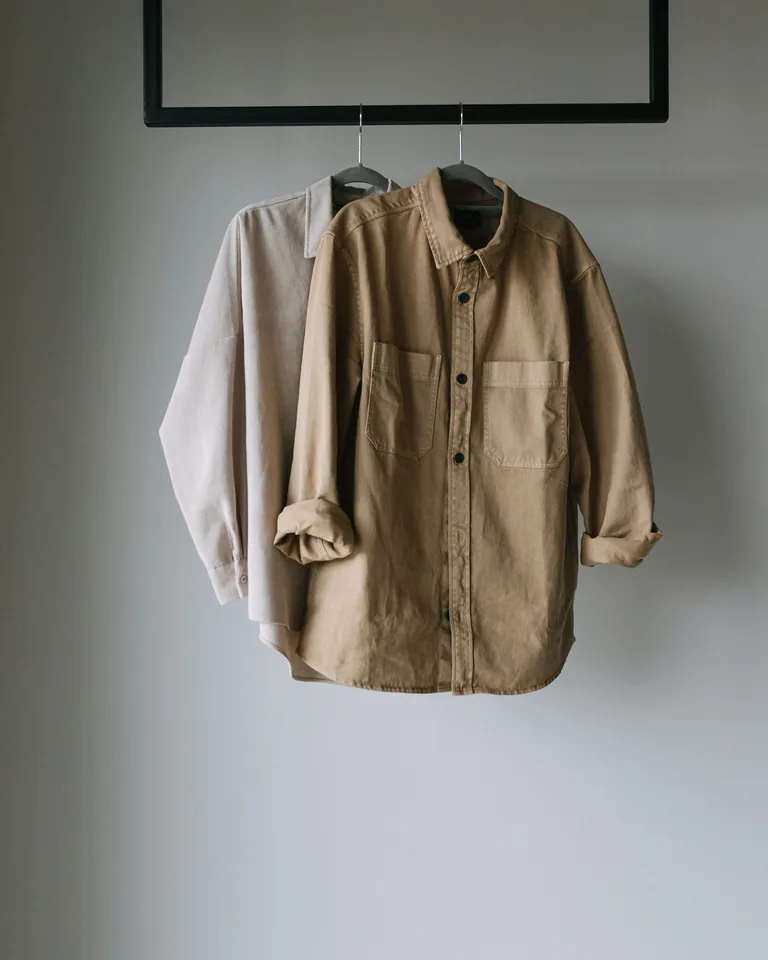
A small closet can’t hold four seasons at once — and shouldn’t try. Store off-season clothes in labeled bins or vacuum bags under the bed or on the top shelf, and keep only the current season front and center. The swap takes an hour twice a year and instantly halves the daily clutter. Out of season, out of the way: the simplest capacity upgrade there is.
14. Treat the Floor as Storage, Not a Dumping Ground
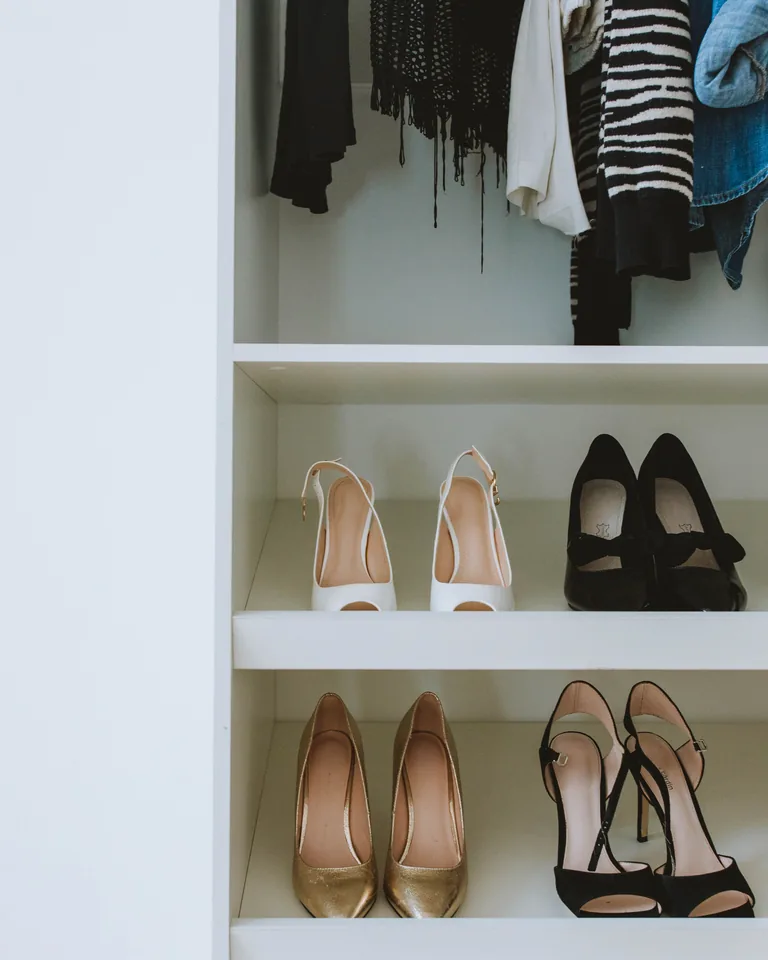
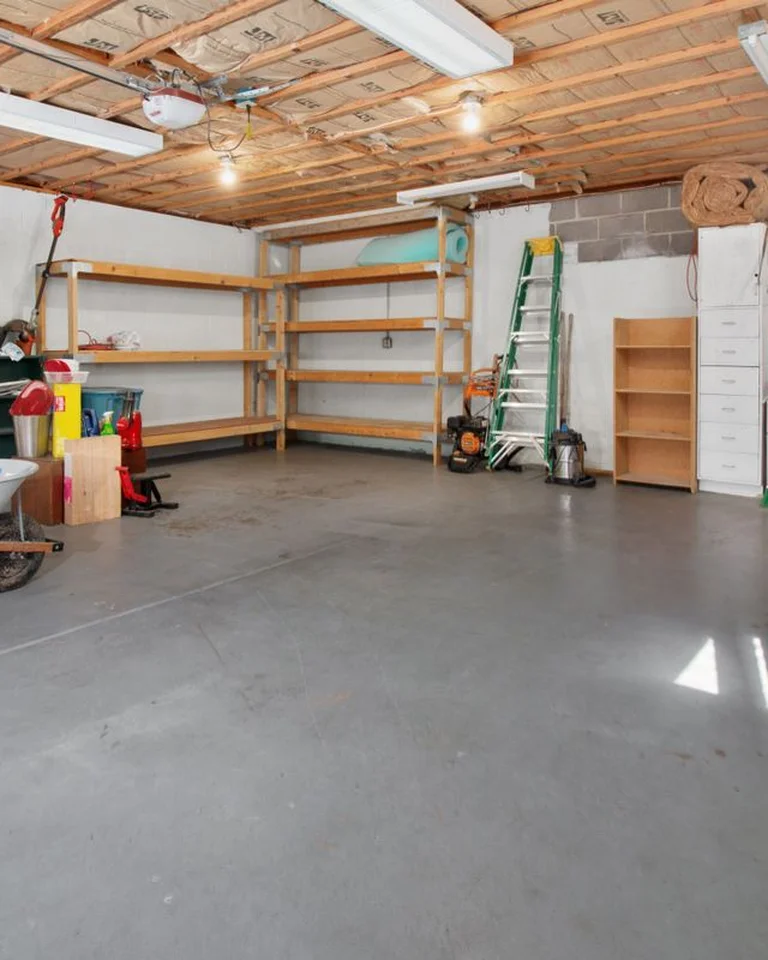
The closet floor usually becomes a shoe avalanche. Instead, treat it as deliberate storage: low-profile bins for seasonal items, a slim angled shoe rack, or a row of clear shoe boxes. Everything on the floor should have a container or a rack — nothing loose. A floor you can see is a closet that stays organized, because mess has nowhere to hide. The same container discipline that makes cheap garage organization work applies here at miniature scale.
15. Maintain It With One In, One Out
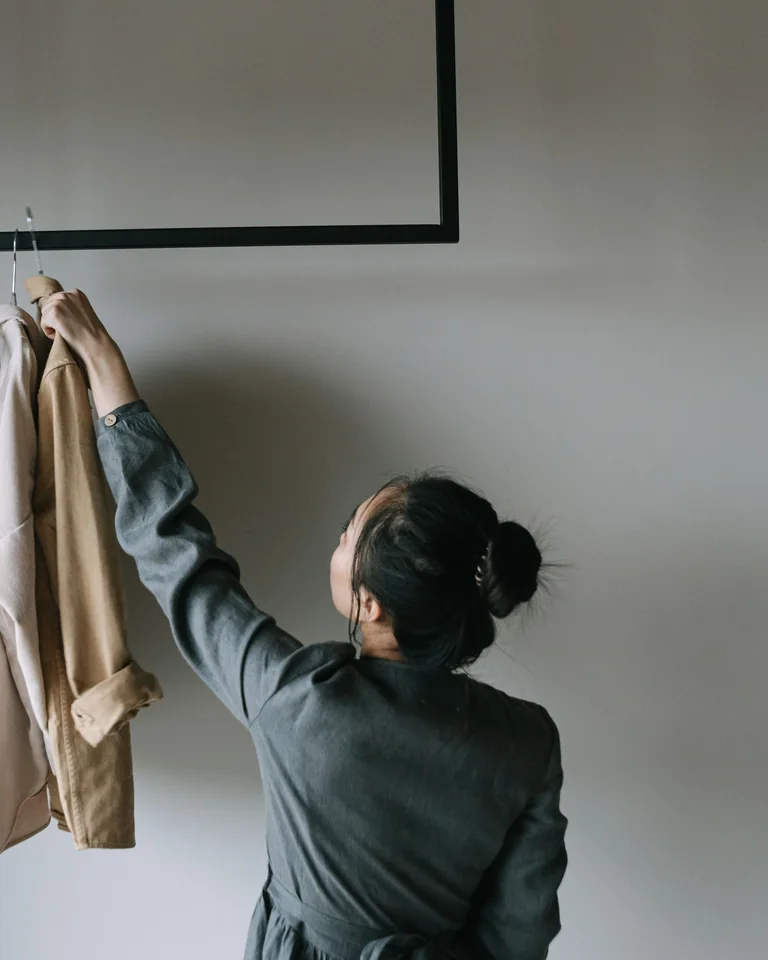
Getting organized is the easy part; staying organized is where closets fall apart. The one-in-one-out rule fixes it permanently: every new item in means one old item out, keeping volume in check without another full cleanout. Add a five-minute weekly reset — put strays back, return floor creep to its home — and the system holds indefinitely. Five minutes weekly beats a two-hour overhaul monthly, every time.
Work the Vertical Space
If there’s one principle behind half this list, it’s this: when floor space is fixed, go up. Double rods, top-shelf bins, door organizers, wall hooks, hanging shelves — every one of them mines vertical space the original single-rod setup wasted. Walk into your closet, look at the empty air above the rod and behind the door, and see it for what it is: free square footage. The same thinking scales to any tight room, which is why budget built-in bookshelves and small dorm layouts lean so hard on walls over floors.
Small Closets by Type
Bedroom closets want the full system: double rod, bins, shoe plan, color sorting. Hallway and linen closets do best with clear bins, shelf dividers, and rolled towels stored vertically so you can see every one. Reach-in closets with sliding doors can’t use the door back, so push harder on hooks and hanging organizers. Match the system to the closet instead of forcing one template everywhere.
Frequently Asked Questions
How do I organize a very small closet?
Start with a full cleanout and keep only what you actually wear. Then add a double hanging rod, switch to slim velvet hangers, use the back of the door for shoes and accessories, and put labeled bins on the top shelf. Work vertically — the air above the rod and behind the door is free storage most people waste.
How can I maximize space in a small closet with one rod?
Add a second rod below the first with a tension rod (no drilling needed) to double hanging space for shirts and pants. Switch to slim hangers, hang a fabric shelf organizer from the rod for folded items, and move shoes to an over-the-door organizer to free the floor.
How do I organize my closet to make getting dressed in the morning easier?
Sort by category first, then by color within each category, so you can see every option at a glance. Move your most-worn pieces to the most accessible spot — eye level, front and center — and push occasion and seasonal items higher or farther back.
What is the best way to store shoes in a small closet?
Use an over-the-door shoe organizer for flats, sandals, and sneakers; angled-tier racks for heels and boots; and clear stackable boxes for pairs worth protecting. Keep only the current season’s rotation in the closet — store the rest in labeled bins under the bed.
How do I keep my closet organized long term?
Follow one-in-one-out: every new item means one old item leaves. Do a five-minute reset weekly — return strays to their homes and clear the floor. Review seasonally and rotate off-season clothes out. Small consistent habits beat occasional big overhauls.
A small closet that works comes down to three things: editing what you own, choosing storage that fits your actual measurements, and habits that keep it functional. You don’t need a walk-in to feel organized — you need a system built for the space you have. For more small-space storage thinking, these small bedroom storage ideas run on exactly the same principles.