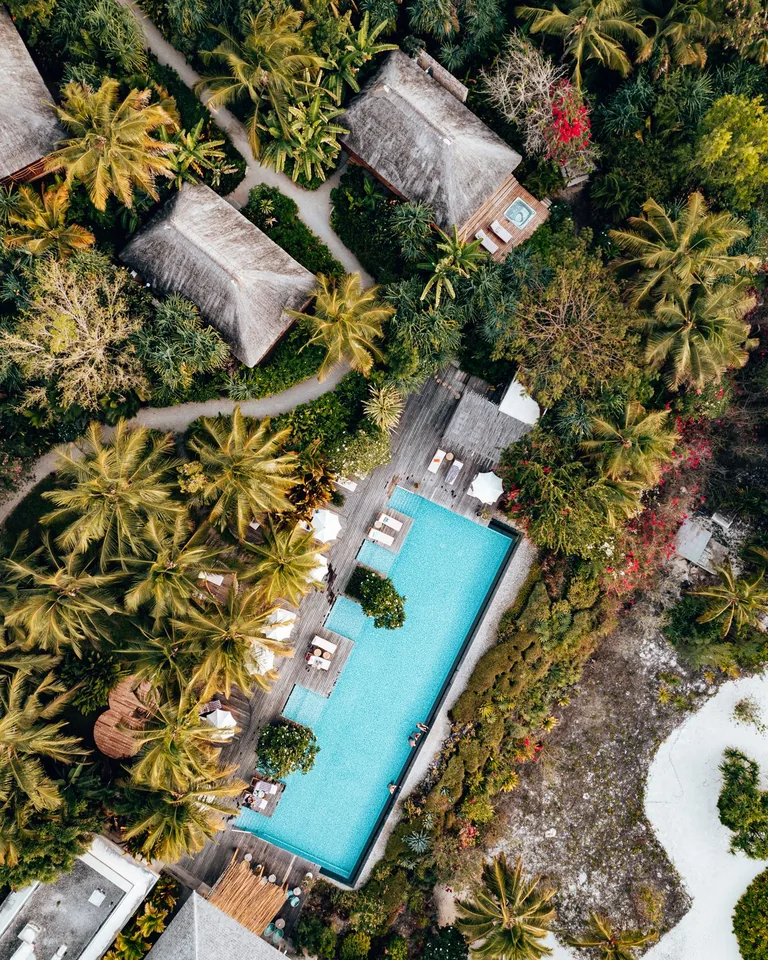
12 Cheap Backyard Privacy Fence Ideas That Look Expensive
A professionally installed privacy fence can easily run $4,000 to $10,000 — which is why so many backyards stay exposed. But you don’t need anywhere near that to sit outside without making eye contact with the neighbor’s upstairs window. Most budget privacy ideas land under $200 for a small-to-medium yard.
The short answer: set your target as blocking the worst sightlines, not building a fortress. Bamboo or reed screen rolls give instant coverage, climbing plants on your existing fence give the best long-term value, and outdoor curtains or tall planters solve single problem spots for renters. These 12 cheap privacy fence ideas are ranked by what they actually look like in year three — because that’s the comparison that matters.
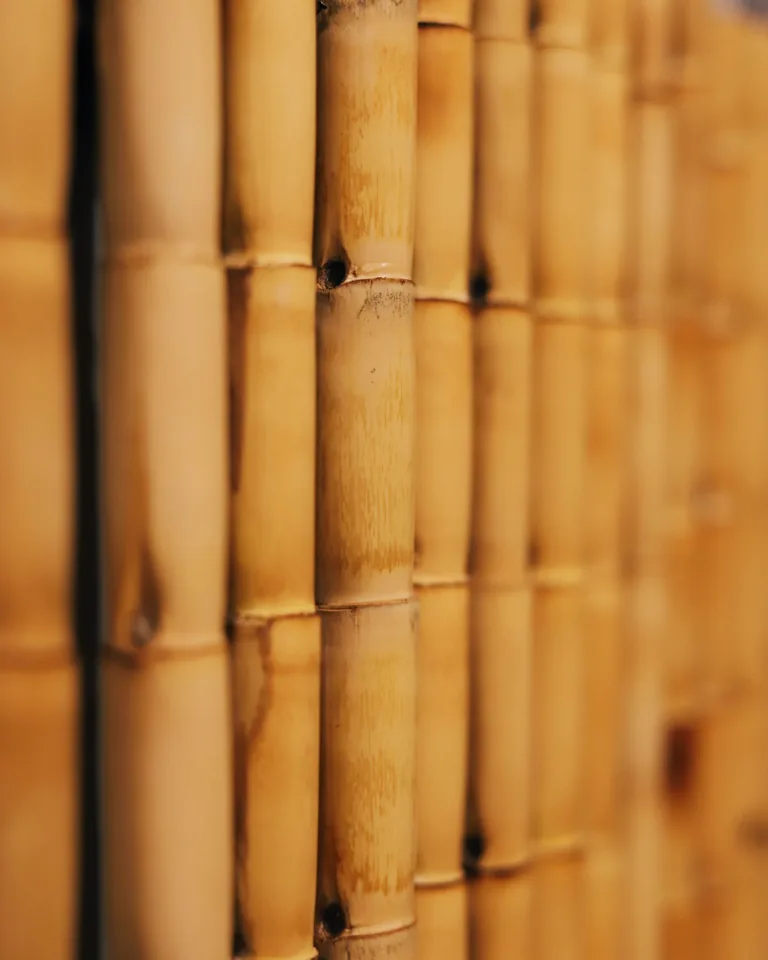
1. Zip-Tie Bamboo or Reed Screen Rolls to What You Have
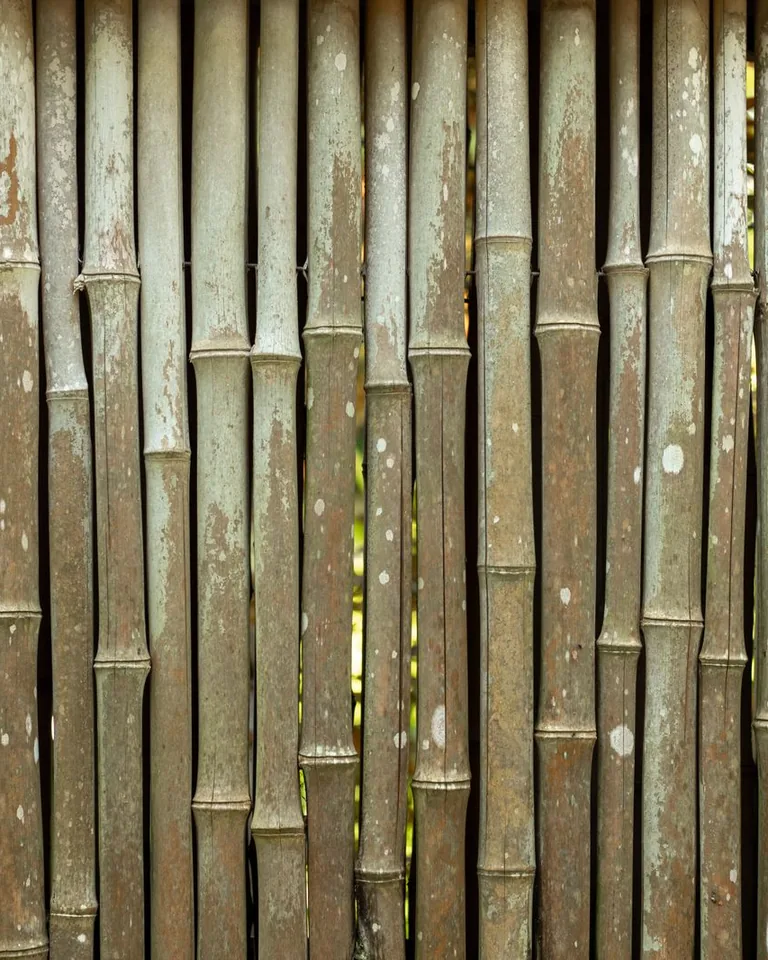
The default cheap option for a reason. A bamboo or reed roll — typically 4 feet by 16 — costs somewhere between $25 and $60, and you can zip-tie it to an existing fence, trellis, or railing in an afternoon. Instant privacy screen, no skills required.
Here’s the honest part: bamboo rolls give you two good summers, maybe three if you bought the thicker canes. After that they fade, snap, and gap at the bottom. Treat them as a temporary fix — plant something behind them while they’re doing their job, and accept you’ll be replacing them. Use UV-resistant zip ties and check local rules about fence coverings before you start.
2. Let Climbing Plants Do the Actual Work
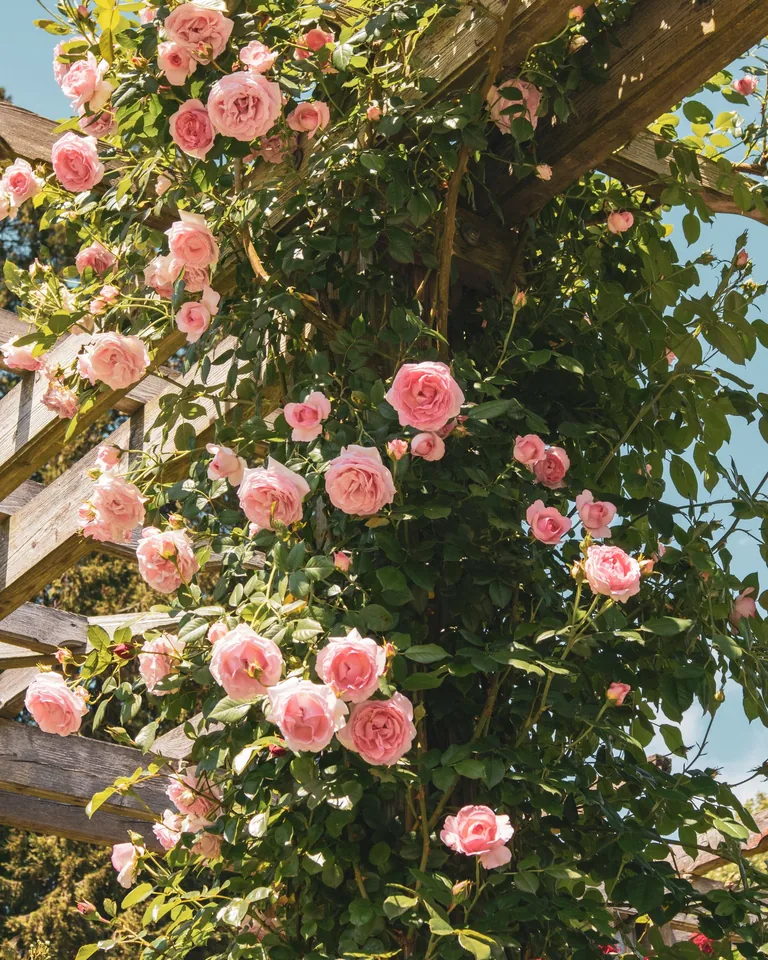
The cheap privacy idea almost nobody talks about because it isn’t fast: grow privacy onto what you already have. If you’ve got a chain link fence, an ugly panel fence, a wire trellis — anything at all — a few climbing plants will turn it into a wall of green for the cost of the plants plus time.
Star jasmine, clematis, and honeysuckle are the workhorses; after two seasons they beat any bamboo roll, and after five they look like a proper hedge. String garden wire across the fence to give young climbers something to grab while they get going. Avoid running bamboo at all costs — it will haunt you and the next three owners of your house. Clumping varieties only.
3. Add Lattice Panels and Plant a Vine at the Base
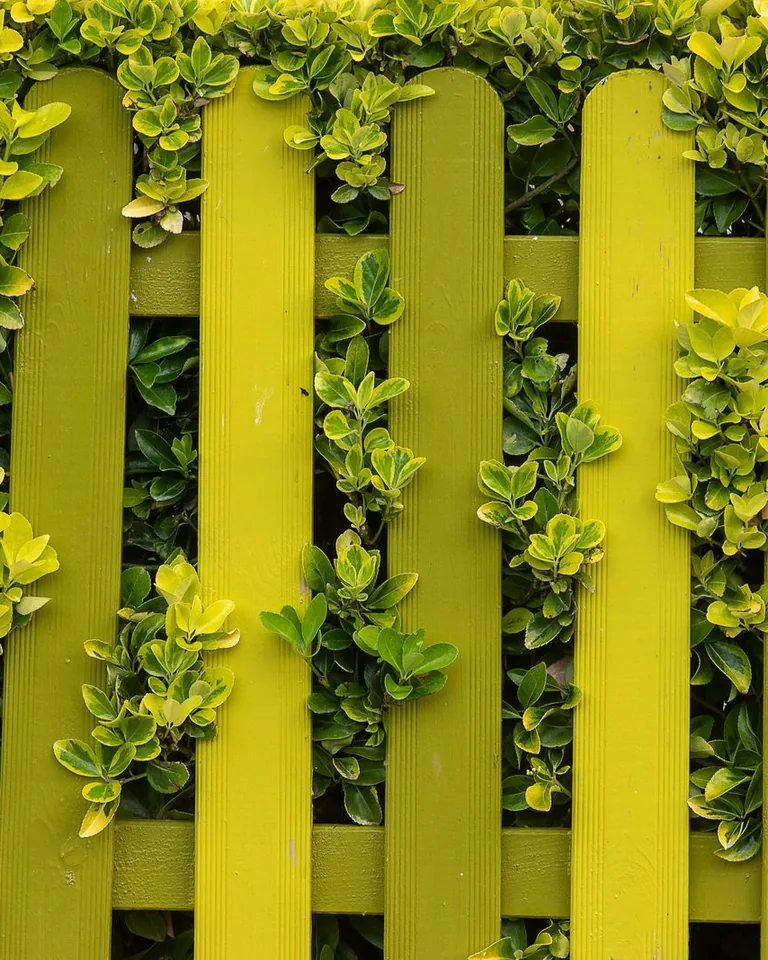
For fences that are too short, or spots where you want a freestanding screen, a simple wooden lattice panel runs about $25–$40 at any garden center. Attach it to existing posts, or set a couple of inexpensive metal post spikes and mount the panel to those. Then plant a vine at the base.
The reason this works: lattice on its own looks a bit unfinished, but lattice covered in jasmine or clematis looks like garden design. Stop thinking of the lattice as the finished item — it’s scaffolding for the plant. Within two growing seasons you’ll have a living screen with genuine height for under $75 all in.
4. Hang Outdoor Curtains Across One Bad Sightline
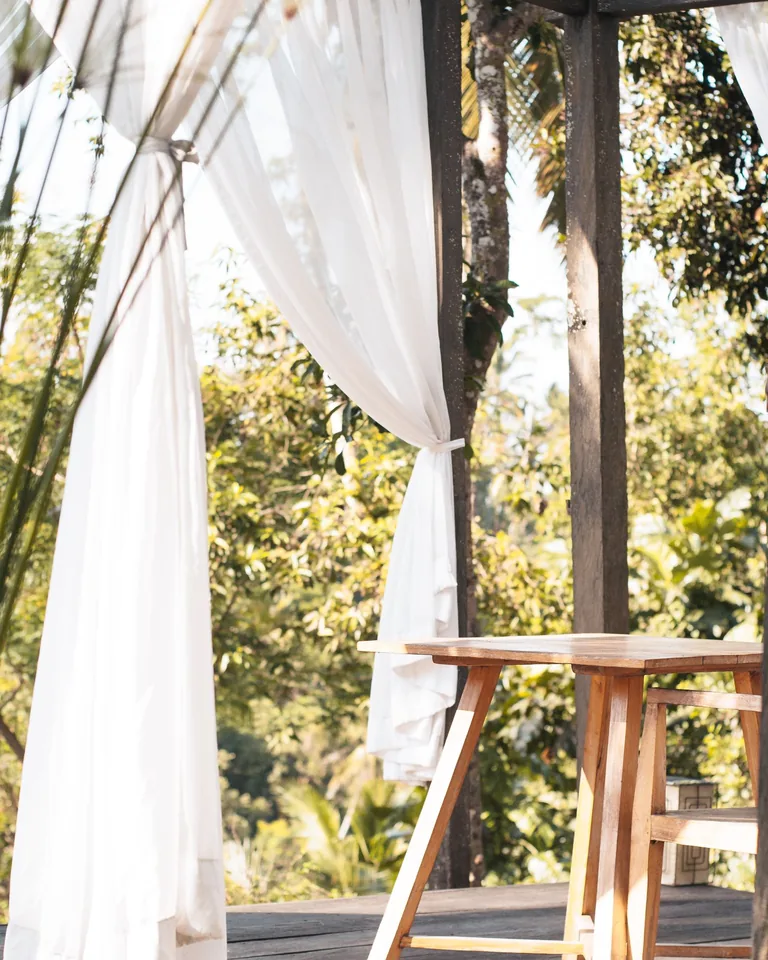
You don’t always need to screen the whole yard. Often you just need to block one sightline — the bit where the neighbor’s upstairs window stares directly at your patio. Outdoor curtains hung from a simple frame, a pergola beam, or a tensioned cable solve that one job for almost no money.
A pair of weatherproof outdoor curtains runs $40–$80. Pull them across when you’re outside, open them up when you’re not. They move, they soften the space, they look a little cinematic. Bring them in over winter or they will, eventually, look sad. This is also the best renter-friendly privacy move on the list — no holes in anything that matters.
5. Screw Up Corrugated Metal Panels
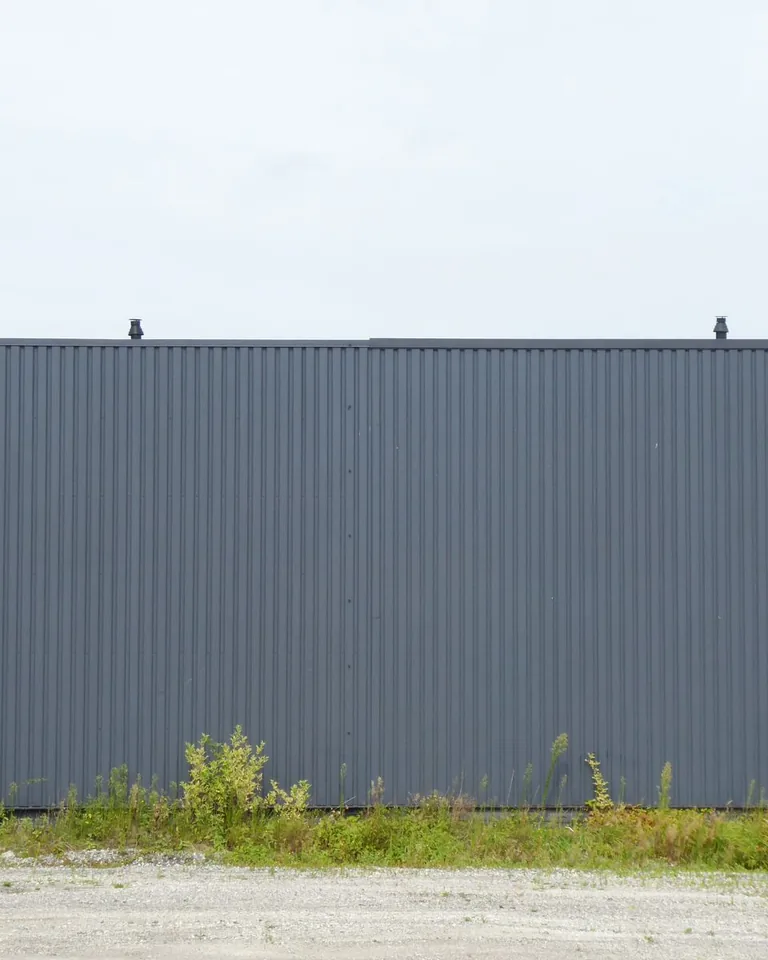
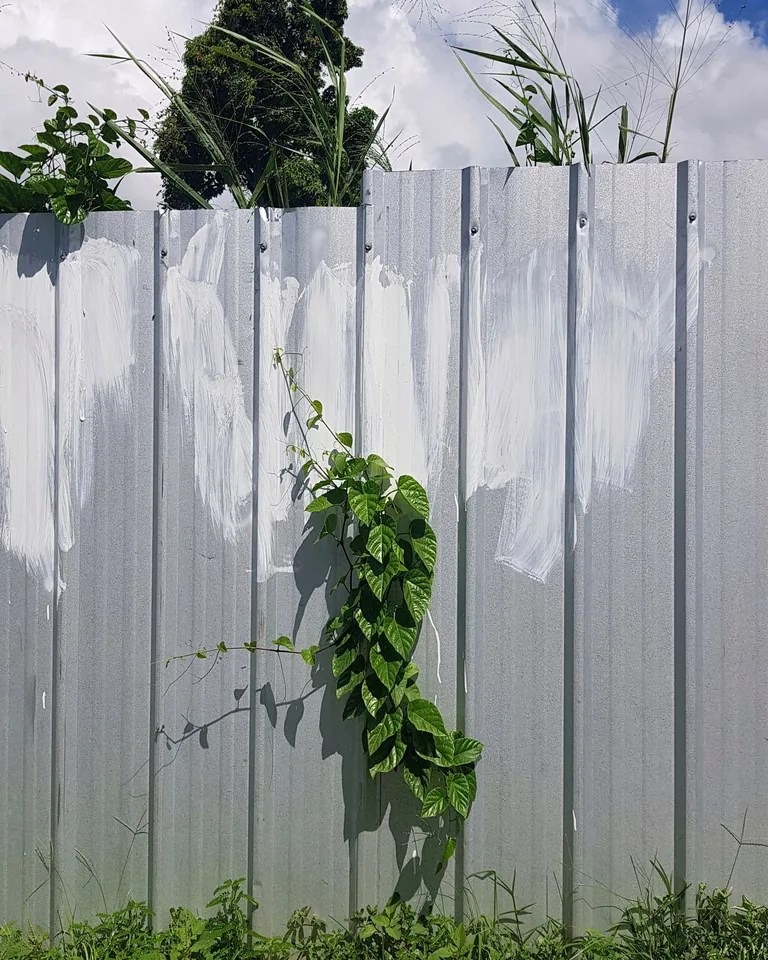
The stealth bargain of budget fencing. Corrugated steel panels — the kind used on barn roofs — cost surprisingly little, around $20–$35 per panel, and screwed onto a basic pressure-treated timber frame they make a striking modern privacy screen. Black or dark-green powder-coated versions look genuinely chic.
They aren’t for every garden; against a cottage they’ll look wrong. But in a contemporary yard, a courtyard, or a city patio, they punch well above their price. Soften them with planting in front — ornamental grasses against dark metal do most of the work. Leave a gravel drainage gap at the bottom so the panels never sit in wet soil, or corrosion will eat your savings within three seasons.
6. Screen with Tall Planters and Ornamental Grasses
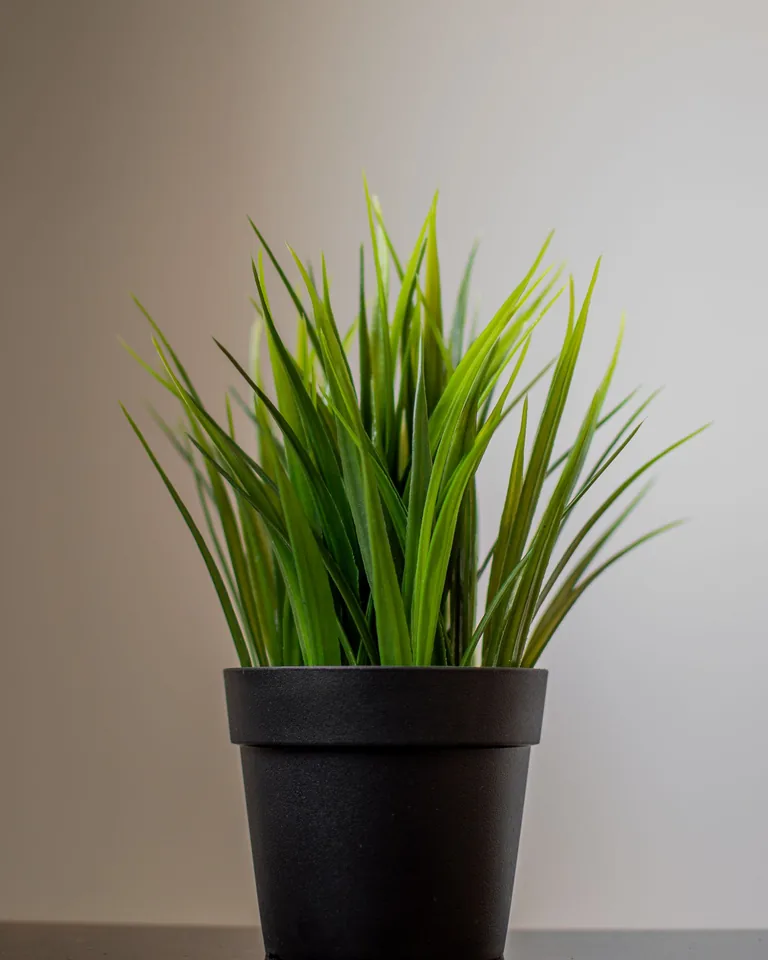
If you can’t actually build anything — because you rent, because it’s a balcony, because the boundary isn’t yours — large planters with tall ornamental grasses are the workaround. Miscanthus, feather reed grass, and clumping bamboo all grow tall enough to screen a sitting area, and they’re fully movable.
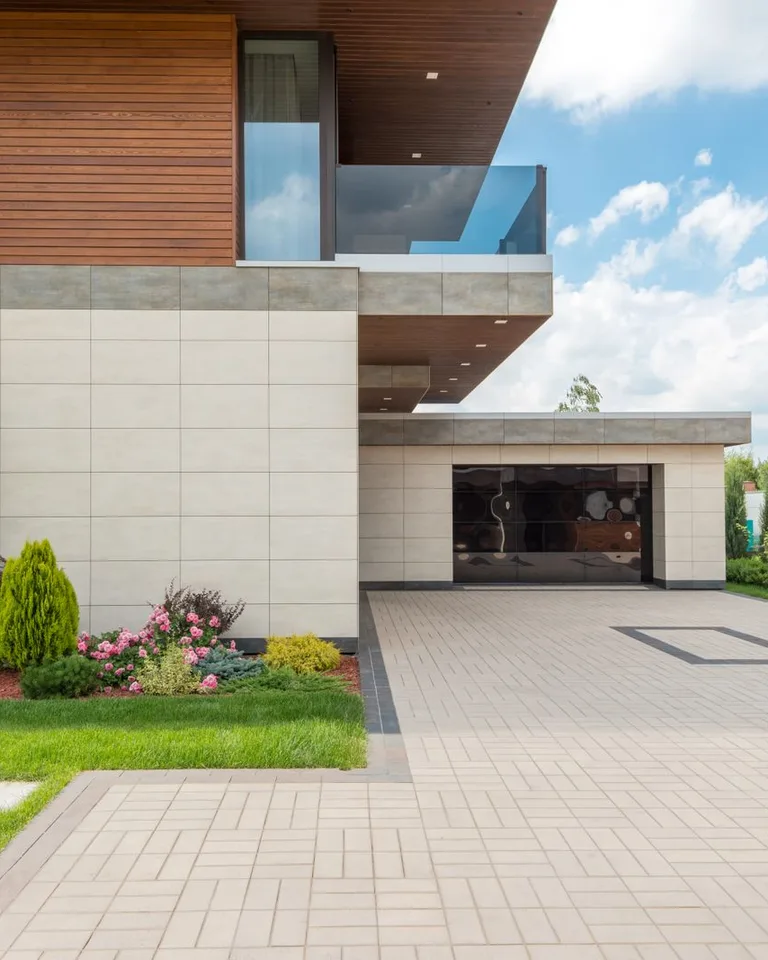
Good big planters aren’t always cheap, but a couple of large plastic planters dressed up with outdoor paint, or dropped inside a simple wooden surround, will get you most of the way for under $100. Group them in odd numbers and vary the heights; a staggered row reads as design, a straight line reads as a barrier you’re apologizing for. The same layering instinct that makes these driveway landscaping ideas work applies here — plants in front of hardscape always win.
7. Plant a Bare-Root Hedge (and Skip the Leylandii)
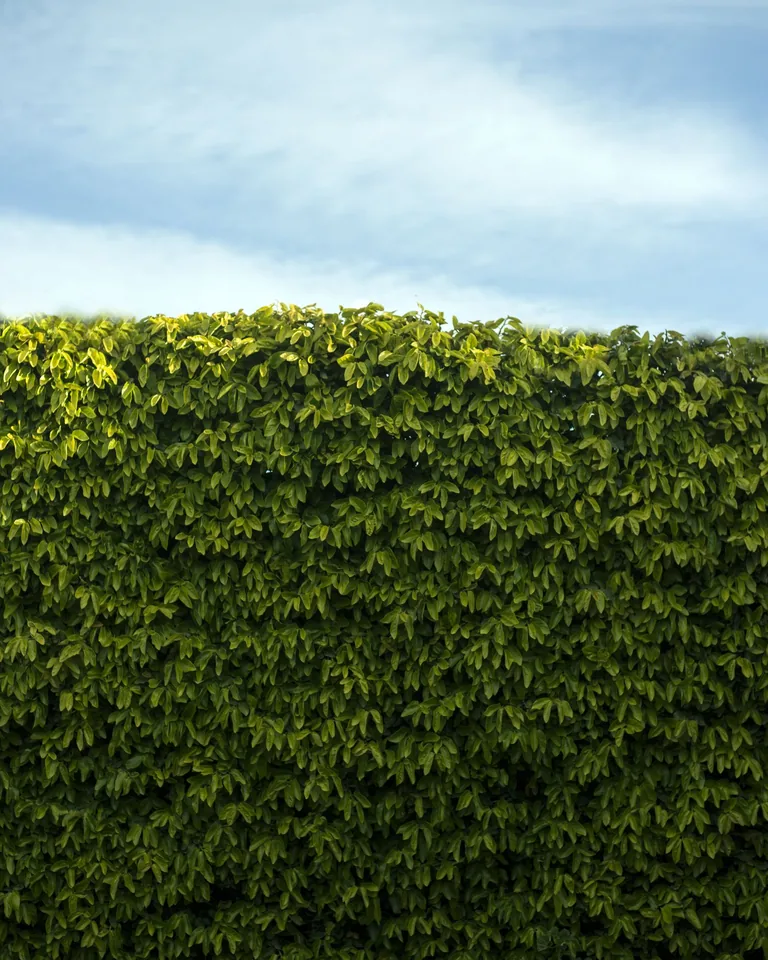
If you’ve got patience and a real boundary, a hedge is the long game and the best value over time. Bare-root hedging plants bought in the dormant season can cost just a few dollars each — a full boundary hedge for $50–$150 depending on length. Nothing else on this list gives you that much privacy per dollar.
Choose privet, hornbeam, laurel, or arborvitae for your climate, and plant in late fall or early spring. One warning worth taking seriously: skip leylandii. It’s cheap and fast, and that’s the problem — it keeps growing until you’re in a permanent feud with the neighbor whose light it stole. There are actual laws about this hedge in some places. Plant something else. Anything else.
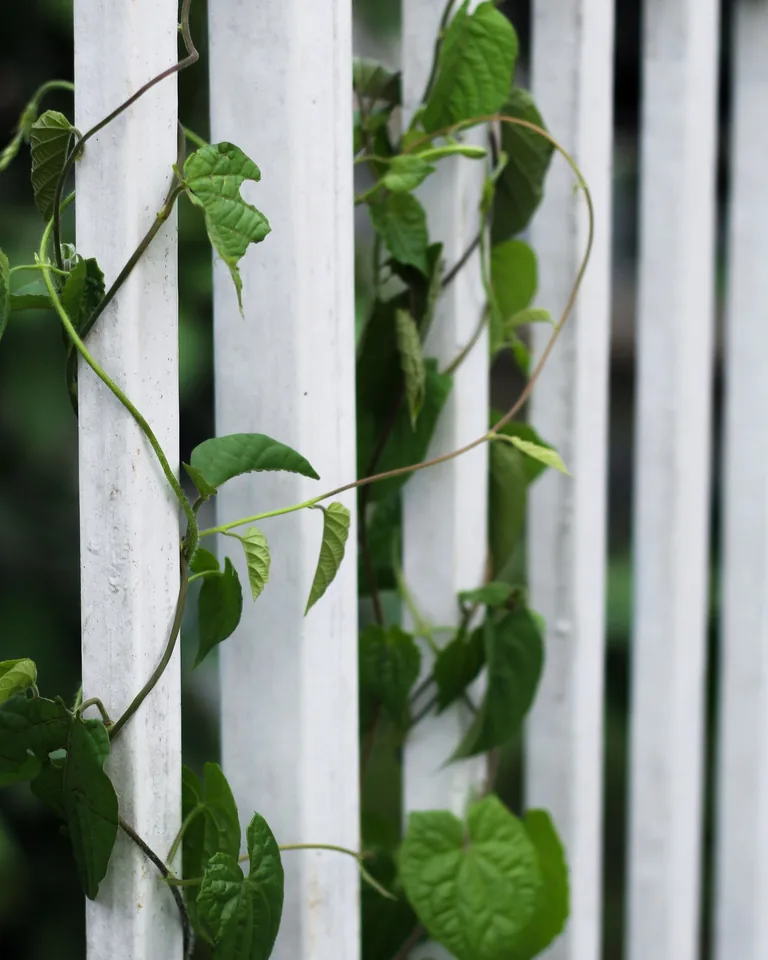
8. Weave Privacy Slats Through Chain Link
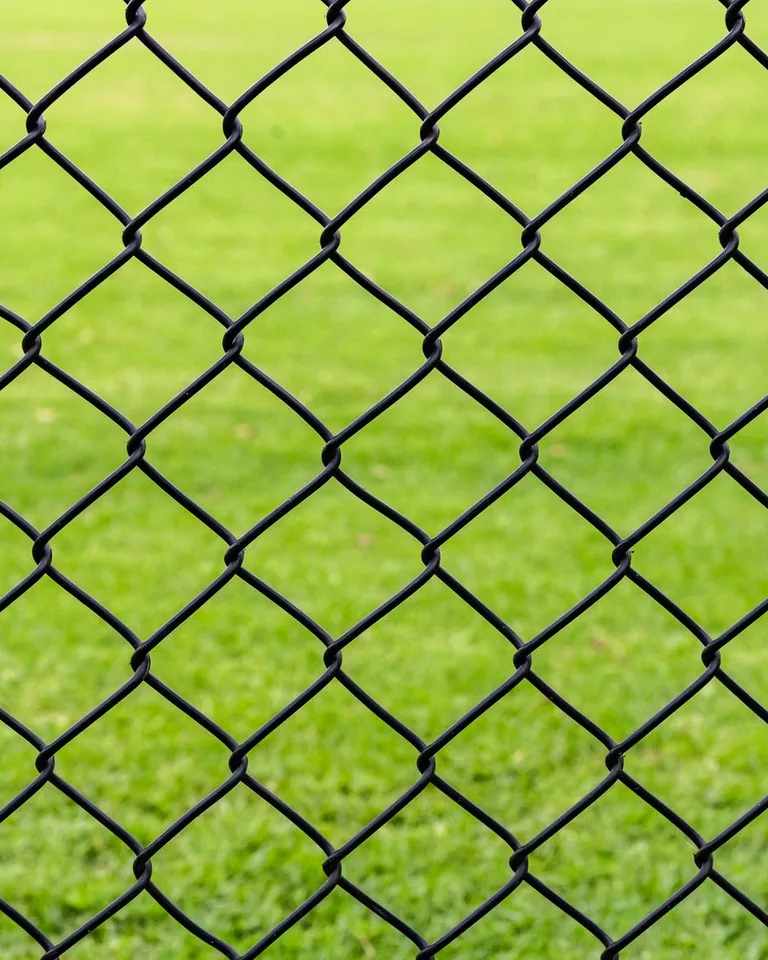
Already have a chain link fence? Dark-colored privacy slats woven through the diamonds turn it into solid screening without a rebuild. The existing fence stays put, the slats slot in over a weekend, and the whole project costs a fraction of new fencing.
Pick slats a shade darker than the fence posts so the line reads clean from a distance, and plant something soft at the base — hydrangeas or ornamental grasses — to take the industrial edge off. It won’t win design awards, but for pure dollars-per-foot of blocked sightline, it’s one of the most efficient moves on this list.
9. Paint Plywood Panels a Deep, Confident Color
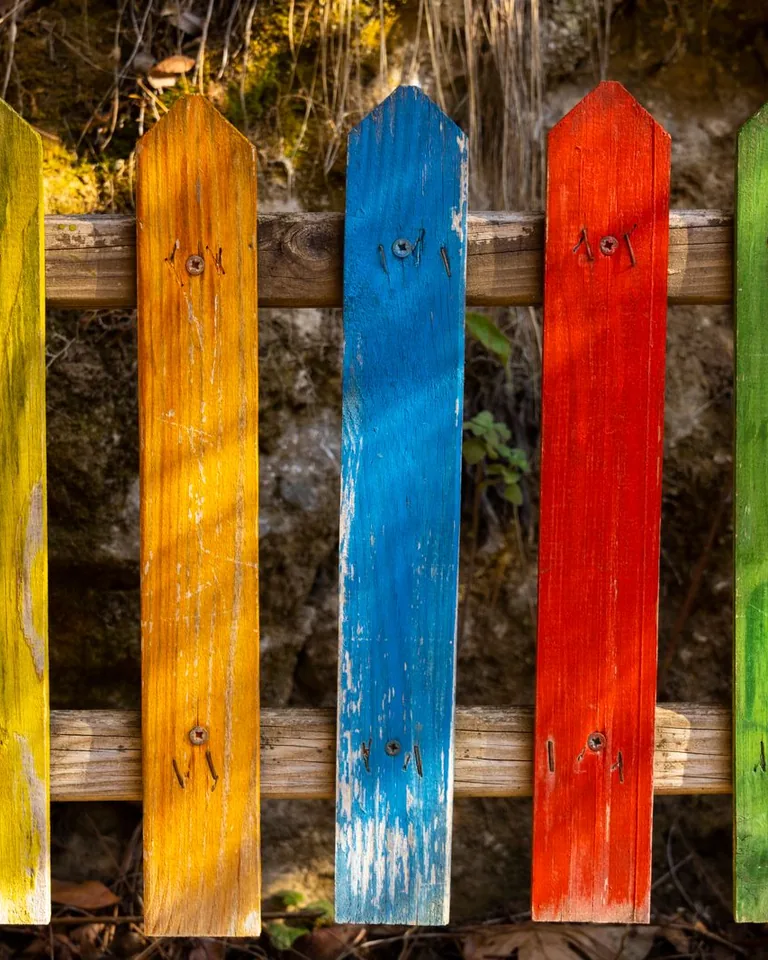
There’s a calm, tidy feel to a tall fence made from flat exterior plywood panels painted one deep, muted color — forest green, charcoal, or navy. It reads as intentional rather than budget, and that’s the trick with affordable materials: one solid coat of quality exterior paint hides every seam.
Use exterior-grade plywood, seal every edge before painting, and set the panels on pressure-treated posts with a gravel base. Plant a mixed border along the base to draw the eye down to ground level instead of up at the panels. Done right, guests will assume you spent ten times what you did.
10. Build a Pallet Screen with Built-In Planters
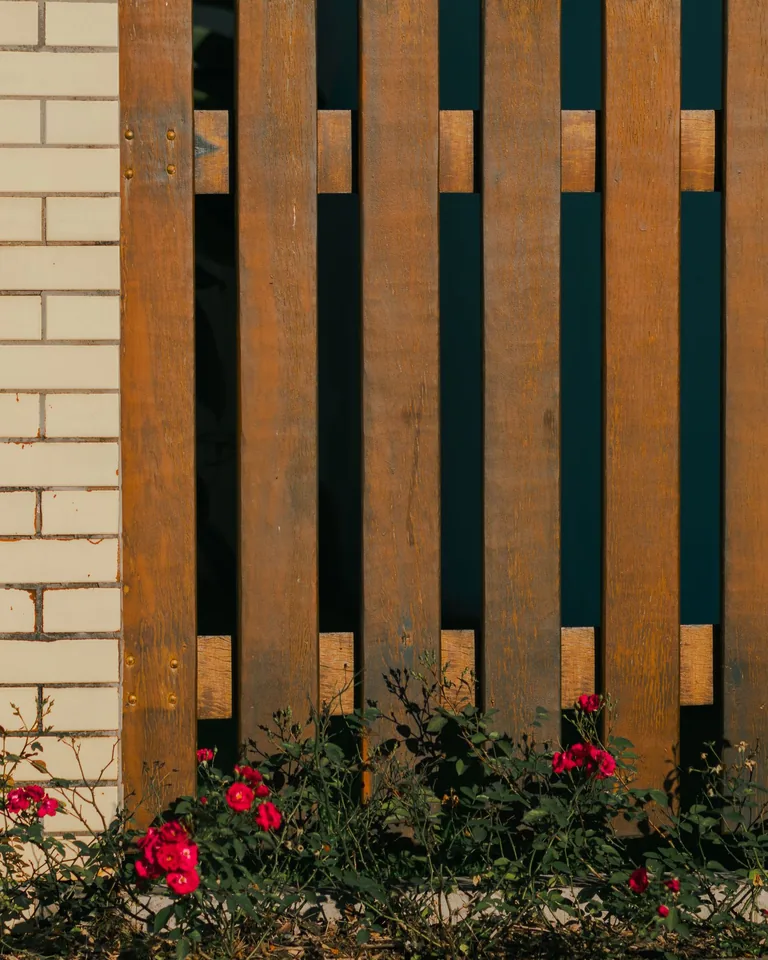
Pinterest will tell you to build a whole fence out of free pallets. Be honest with yourself first: pallets are sometimes free, often a hassle to find in quantity, and need dismantling, sanding, and treating. For a full boundary, buy proper panels. But for a screen — one section, one corner — pallets are genuinely useful.
Stand pallet sections upright, secure them well, and bolt small planter boxes onto the boards at staggered heights. The layering hides the boundary line while filling it with geraniums, trailing greenery, and herbs. Check pallets for the HT (heat-treated) stamp and skip anything marked MB — you don’t want chemically treated wood near your garden.
11. Clip Faux Greenery Panels to Any Fence
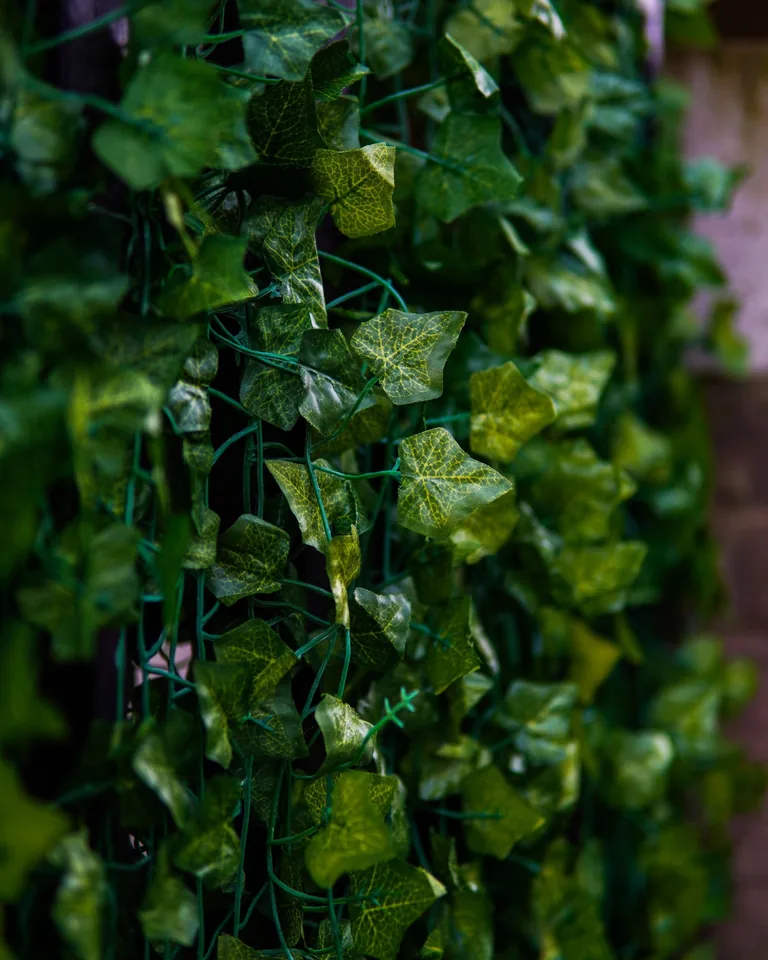
For instant coverage with zero waiting, faux ivy or boxwood panels zip-tied to an existing fence deliver a green wall in an afternoon. They’ve gotten dramatically better-looking in recent years, and from ten feet away the good ones genuinely read as living plants.
Spend the extra few dollars on UV-stabilized panels or they’ll fade to a sad blue-green by next summer. This is the right call for a rental, a side yard you never look at closely, or while your real climbing plants get established behind them. Think of it as the bamboo roll’s better-looking cousin.
12. Stretch a Shade Sail for Instant Overhead Cover
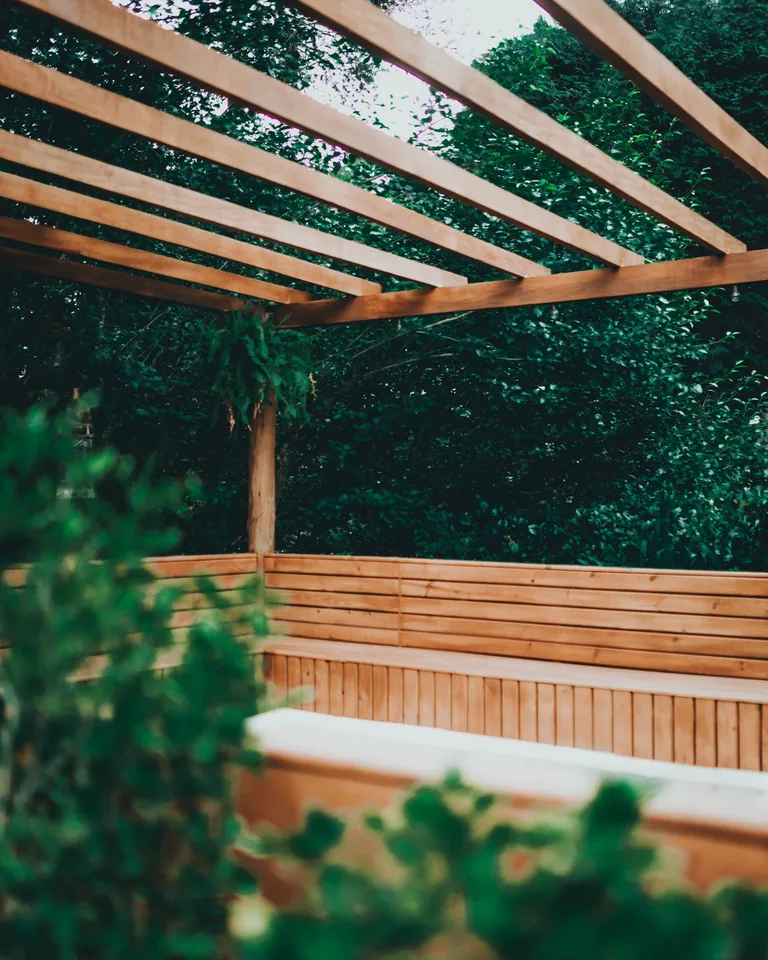
Sometimes the privacy problem isn’t the neighbors at ground level — it’s the upstairs windows and overlooking balconies looking down into your yard. A shade sail stretched over the patio blocks those sightlines while cutting glare and heat, for $50–$150 depending on size.
Anchor it properly: shade sails catch wind like actual sails, so use solid posts set in concrete or structural attachment points, never a flimsy pole. Angle it for afternoon shade and rain runoff. As a bonus, the patio underneath becomes the most-used square footage of the yard all summer. Pair it with the curtain trick from idea 4 and one corner of your yard becomes a genuinely private outdoor room.
Frequently Asked Questions
What is the cheapest way to make my backyard private?
Growing climbing plants on your existing fence wins on pure cost — often under $50 for the plants — though it takes a season or two to fill in. For instant results, bamboo screen rolls or outdoor curtains run $40–$80 and go up in an afternoon. The cheapest permanent option is a bare-root hedge planted in the dormant season.
How can I get privacy from my neighbors without building a fence?
Tall planters with ornamental grasses, outdoor curtains on a frame or pergola, a shade sail for overlooking windows, and fast-growing shrubs all create privacy with no fence construction. These are also the best options for renters, since everything is movable. Layer two of them — say, planters plus curtains — and one corner of the yard becomes a genuinely private outdoor room.
How tall should a privacy fence be?
Six feet is the standard for backyard privacy in most US municipalities — tall enough to block sightlines from ground level and most patios. Many areas allow up to 6 feet in back yards but only 3–4 feet in front yards, so check your local zoning before you build. For blocking an overlooking second-story window, you’ll need height plus distance, or an overhead solution like a shade sail or pergola curtains.
Do I need a permit to build a fence?
Often yes, and the rules vary wildly by city and HOA. Many municipalities require a permit for fences over a certain height (commonly 6 feet), and nearly all have setback rules about how close to the property line you can build. Check with your city planning office and your HOA before buying materials — moving a finished fence six inches because of a setback violation is a special kind of heartbreak.
What is the cheapest privacy fence material that actually lasts?
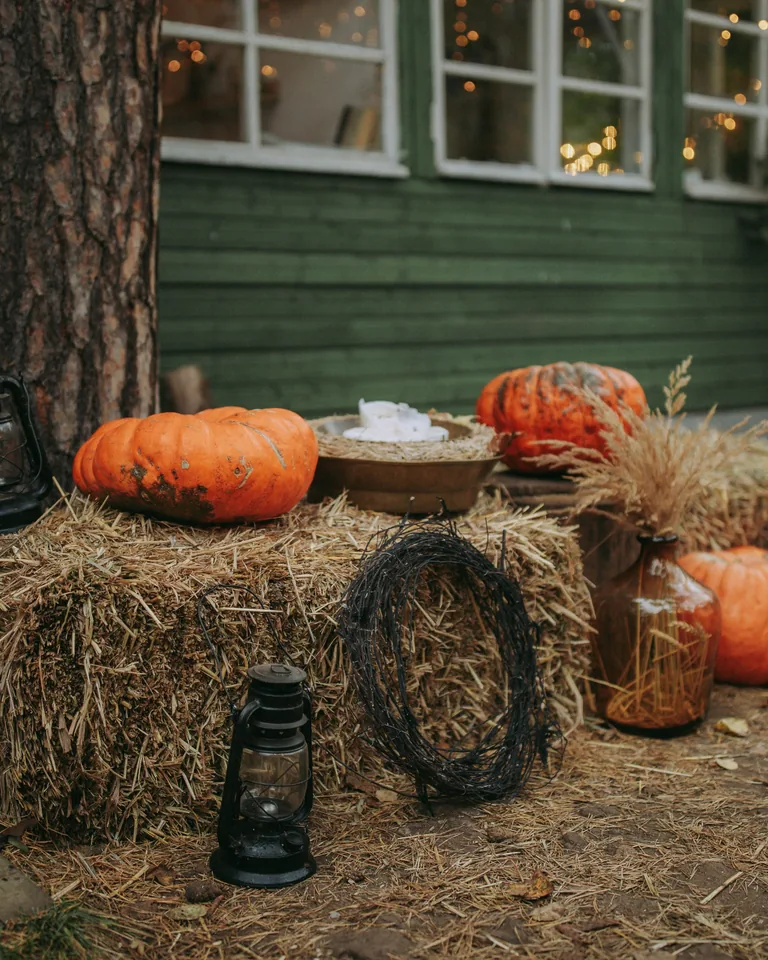
Pressure-treated pine panels are the cheapest legitimate long-term fencing — a basic 6-foot privacy fence runs roughly $15–$30 per linear foot DIY. Among the ultra-budget options on this list, corrugated metal on a timber frame and a well-planted hedge hold up best over time; bamboo rolls and faux panels are temporary by design. The fence that wins isn’t the cheapest in week one — it’s the one you don’t have to redo by the end of next summer. And once the boundary is sorted, these fall porch decor ideas will make the yard beyond it look intentional too.
Almost every privacy idea worth doing comes in under $200 — the thing that separates them isn’t the price tag, it’s how good they look in year three. Pick the one that matches your timeline, plant something behind the quick fixes, and enjoy a yard that finally feels like yours. If you’re dressing up the outdoor space further, these DIY outdoor Halloween decorations and Halloween trail ideas show how the same yard transforms for the season — and these pumpkin porch decor ideas carry the harvest look right up to the front door.