16 Budget Built-In Bookshelf Ideas for a Home Library That Looks Custom
A convincing home library does not require custom millwork. Most budget-friendly home libraries start with ordinary bookcases, crates, or plywood boxes, and get their expensive look from three things: running the shelving wall to wall with no gaps, tying it into the room with trim at the floor and ceiling, and finishing everything in one clean coat of paint. Do those three things well and a few hundred dollars of materials reads as thousands of dollars of carpentry.
Below are 16 distinct budget built-in bookshelf ideas for a home library, ordered from cheapest starting points to the finishing moves that sell the custom look. Pick the approach that matches your space, your tools, and your patience, then finish every project the same way: anchored to the wall, seams hidden, one paint color.
1. Hunt Secondhand Bookcases Before Buying New
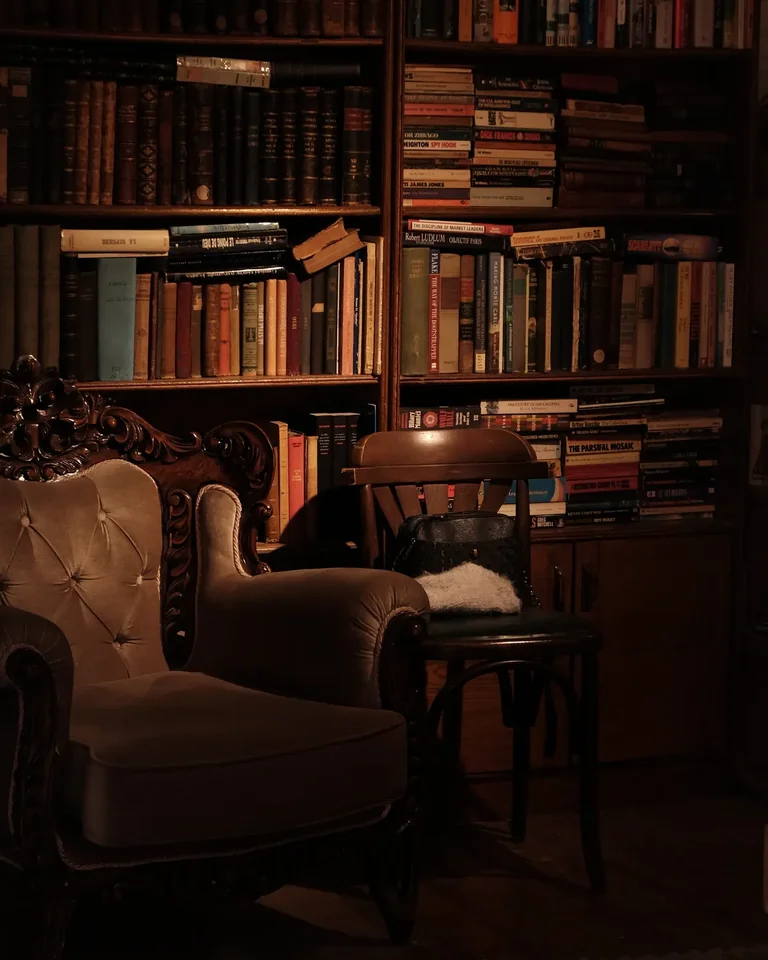
The cheapest carcass is one someone else already assembled. Check Facebook Marketplace, Craigslist, estate sales, and thrift stores for solid-wood bookcases; mismatched units are fine because paint and trim will unify them later. Inspect for sturdy backs and intact shelf pins, since wobbly boxes are not worth hauling home no matter how cheap.
Aim for units in the same height range so the tops line up. A row of secondhand bookcases at $20 to $40 each becomes the skeleton of a library wall for less than the cost of one new flat-pack unit, and solid wood takes paint and trim screws better than particleboard.
2. Run Flat-Pack Bookcases Wall to Wall

If you prefer new, inexpensive flat-pack bookcases in the same line are the classic budget library base. Buy enough to cover the full wall, including the narrow widths the line offers, so you can fill the run edge to edge. Measure your ceiling first and leave about four inches at the top; you cannot stand a full-height unit upright without tilt room, and the gap gets bridged by trim later.
Screw the units to each other and into wall studs. That anchoring is both a safety requirement under a heavy load of books and the thing that makes separate boxes feel like one permanent piece of millwork. Skip the anchors and the whole wall still reads as furniture; add them and it reads as architecture.
3. Build Your Own Boxes From Plywood Sheets

When your wall is an odd width or you want deeper shelves, build the boxes yourself from 3/4-inch plywood. A single sheet yields several shelf boxes, and plywood holds screws and resists sagging far better than particleboard. Rip the sheets into shelf boards and sides with a circular saw and a straightedge guide; the boxes themselves are just rectangles, and the trim will hide every imperfect cut.
This route costs more in time than buying flat-pack, but it wins whenever store-bought sizes leave awkward gaps. Cut your shelf boards no wider than about 36 inches for book loads, and add a center divider or thicker stock for longer spans so shelves do not bow under hardcovers.
4. Stack Wooden Crates Into Rustic Shelving
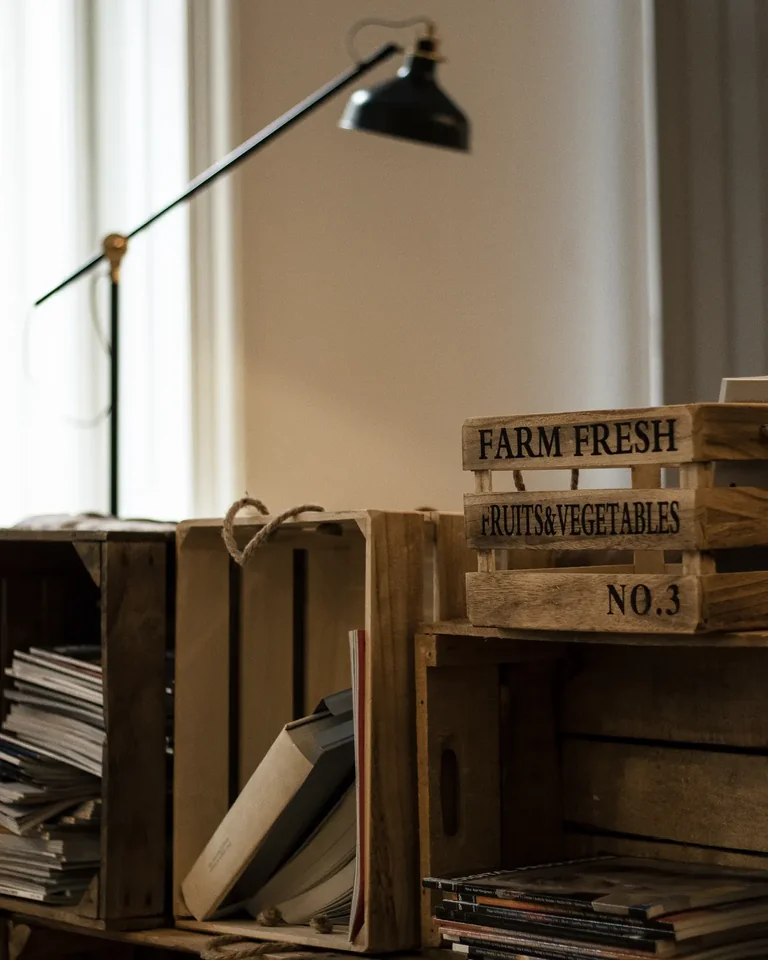
Sturdy wooden crates, bolted together and screwed to wall studs, make a warm farmhouse-style library for almost nothing. Source them from craft stores, orchards, or marketplace listings; flip half of them on their sides so you get a mix of tall and wide cubbies. Sand any rough edges and seal with a clear matte finish so you do not get splinters on book spines.
Crates work best in casual spaces like playrooms, cabins, and kids’ reading corners. Keep the arrangement symmetrical and the stain consistent, and a crate wall looks intentional rather than improvised. For heavier book collections, reinforce with a plywood back panel screwed across the whole assembly.
5. Float Shelves for a Light, Airy Library

Floating shelves skip the bookcase box entirely: heavy-duty hidden brackets, solid wood boards, and paint. They cost less than any full bookcase, take up zero floor space, and suit renters and small rooms where a full wall of cabinetry would overwhelm. Mount every bracket into studs, not drywall anchors, because a shelf of books is one of the heaviest things you will ever hang.
Style floating shelves in tidy rows with small gaps between groups so they read as a library rather than clutter. The downside is dust and no side panels, so this approach suits display collections and frequently read favorites more than deep archival storage.
6. Claim the Space Under the Stairs

The triangular void under a staircase is dead space in most houses, and it is almost exactly the shape of a bookshelf. Fit short bookcases or custom-cut shelves into the low end, stepping the heights up as the stair rises. Even a simple run of staggered floating shelves following the stair angle turns a wasted nook into a real library.
Measure each section separately, since the ceiling height changes every foot or so. Add a small armchair and a plug-in wall sconce at the tall end and you have a reading spot that cost you nothing in floor space.
7. Turn a Hallway Into a Book-Lined Passage
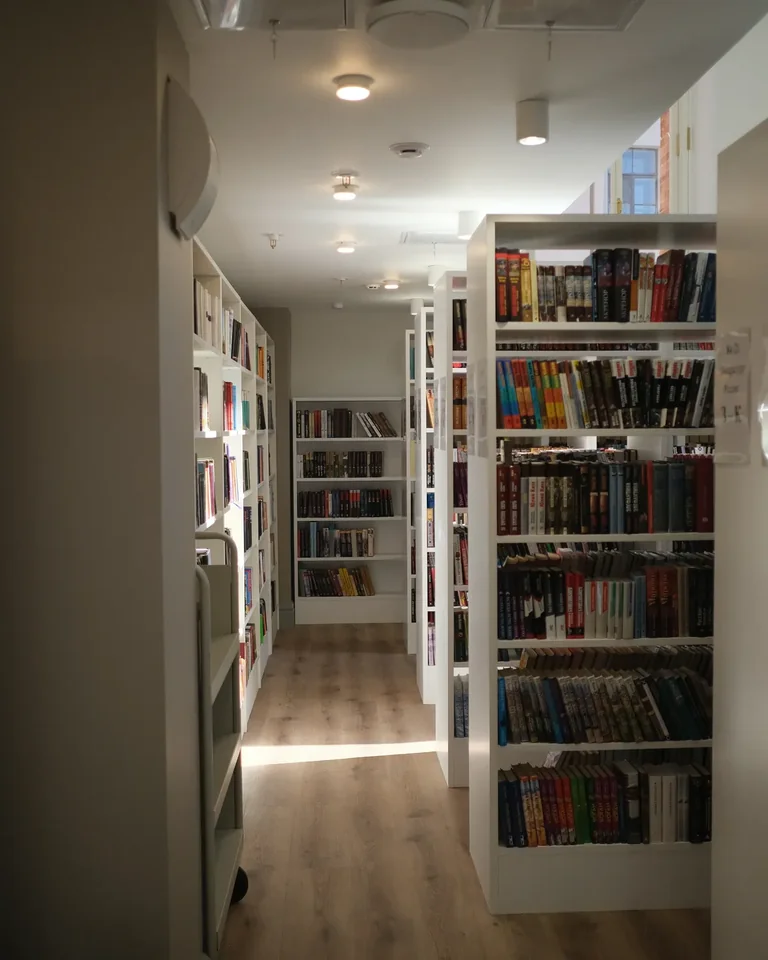
Hallways are the most underused walls in the house. A single run of shallow 8-to-10-inch-deep shelves along one side holds most books comfortably while leaving the walkway clear. Keep the shelving to one side only so the corridor never feels pinched, and stop the run before door swings.
This works especially well in long hallways between bedrooms, where the shelves double as a gallery: alternate book rows with framed art and small objects. Paint the shelves the same color as the hallway walls and the whole passage feels designed rather than stuffed.
8. Convert a Closet Into a Mini Library
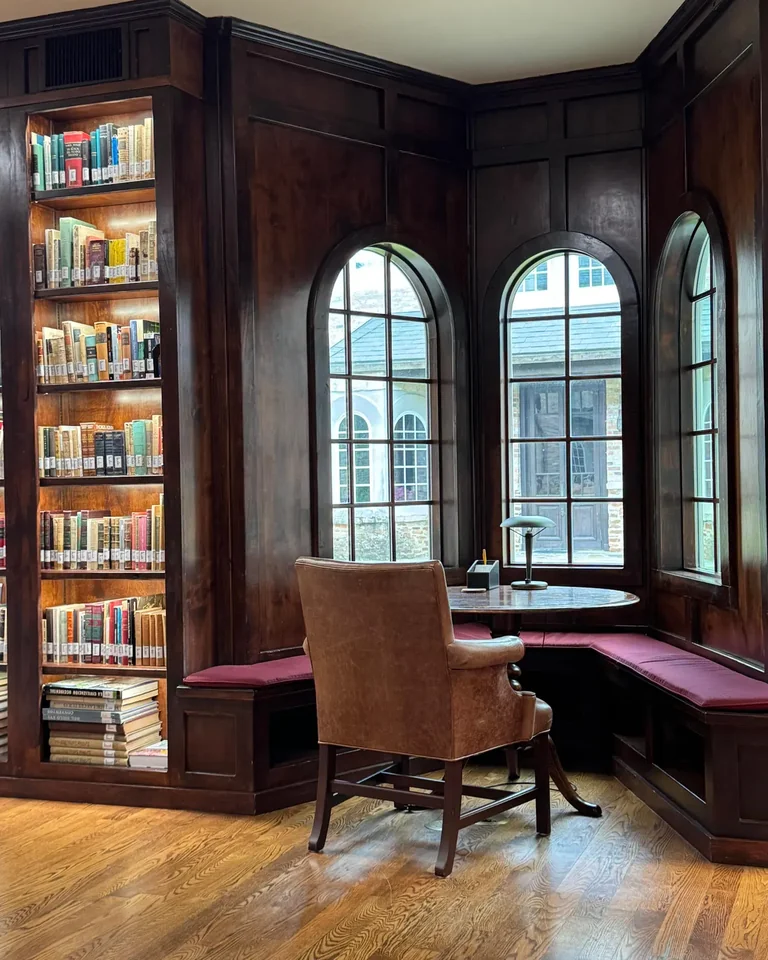
A spare closet, especially one with sliding or bifold doors you can remove, converts into a compact library in a weekend. Take the doors off, paint the interior, and install shelves cut to the closet’s exact width; closets are usually 24 inches deep, which is generous for books. A cushion on a low bench at the bottom turns the whole thing into a reading nook.
Add a battery-powered picture light or LED puck lights on the underside of each shelf, since closets rarely have good lighting. Keep the existing closet rod holes patched and the change reversible if you rent.
9. Flank a Window Seat With Book Towers
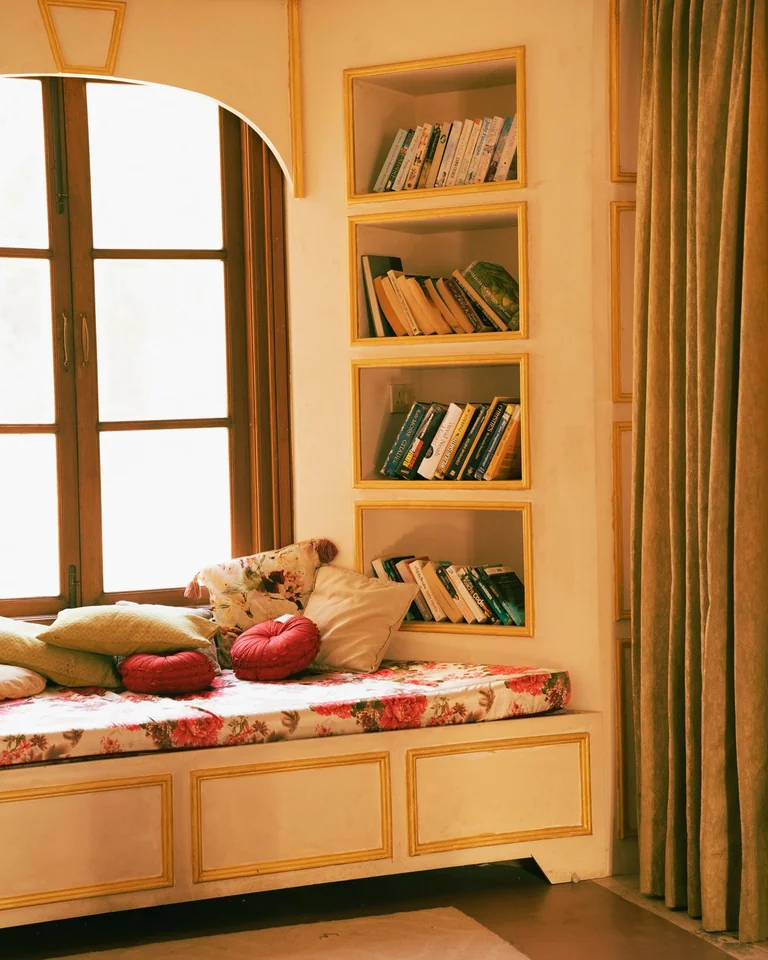
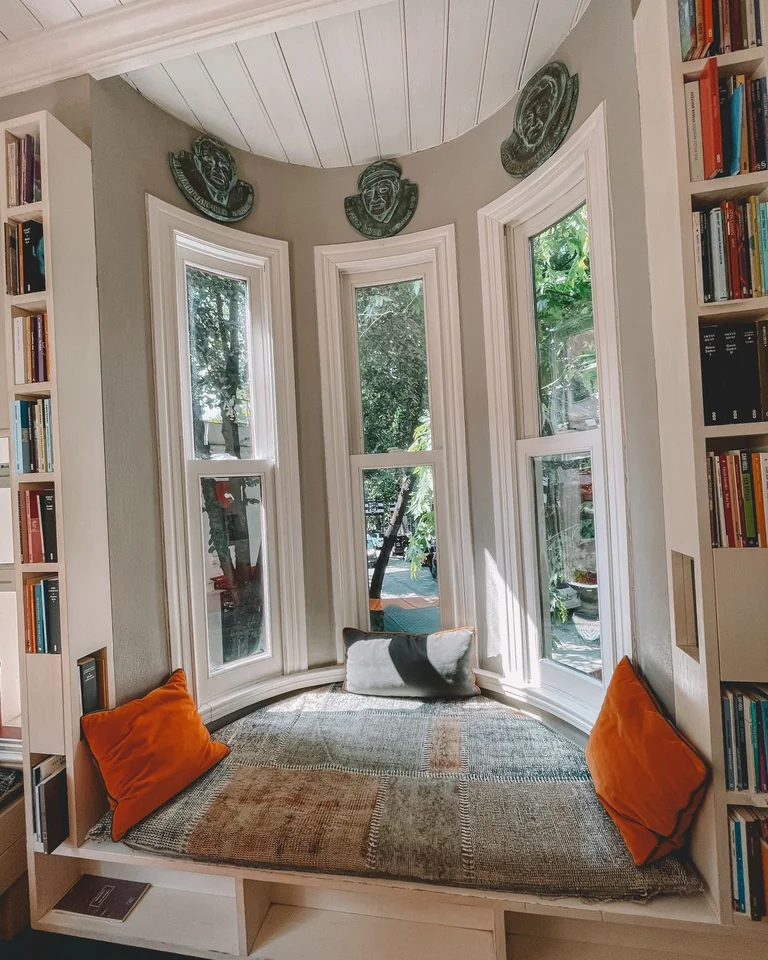
Two narrow bookcases on either side of a window, plus a bench or seat between them, reads as fully custom built-in work for the price of two bookcases and a cushion. Build the seat as a simple plywood box with a hinged lid and you gain hidden storage for board games or seasonal books. Run a single board across the tops of all three pieces to unify them into one composition.
Site this in a bedroom or living room window with decent daylight and you have solved both storage and seating in one project. Add throw pillows and a small side lamp and the nook becomes the most-used seat in the house.
10. Dress Up the Back Panels
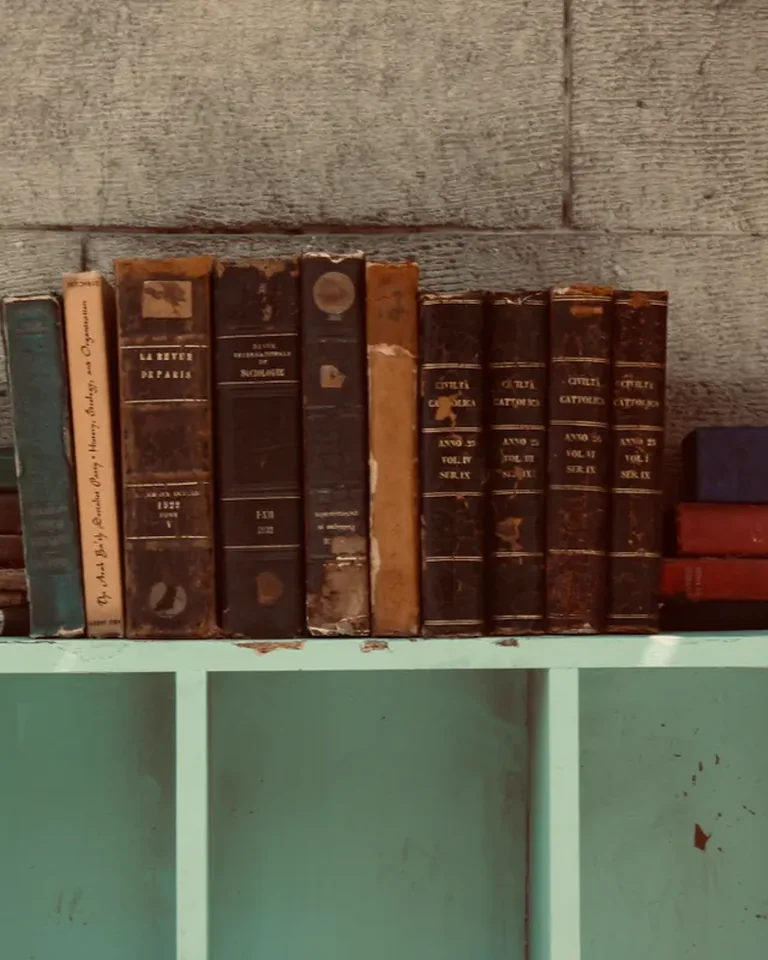
The back panel is where cheap bookcases look cheapest, and it is the easiest surface to upgrade. Paint the backs a contrasting color, line them with peel-and-stick wallpaper, or glue on thin beadboard panels before loading the shelves. Against a deep or patterned back, book spines and objects pop, and the unit instantly looks designed.
This is a one-afternoon project with outsized payoff: a roll of wallpaper or a quart of paint transforms every shelf at once. Choose a back color darker than the books for contrast, or match it to an accent color already in the room for cohesion.
11. Paint the Whole Wall One Bold Color
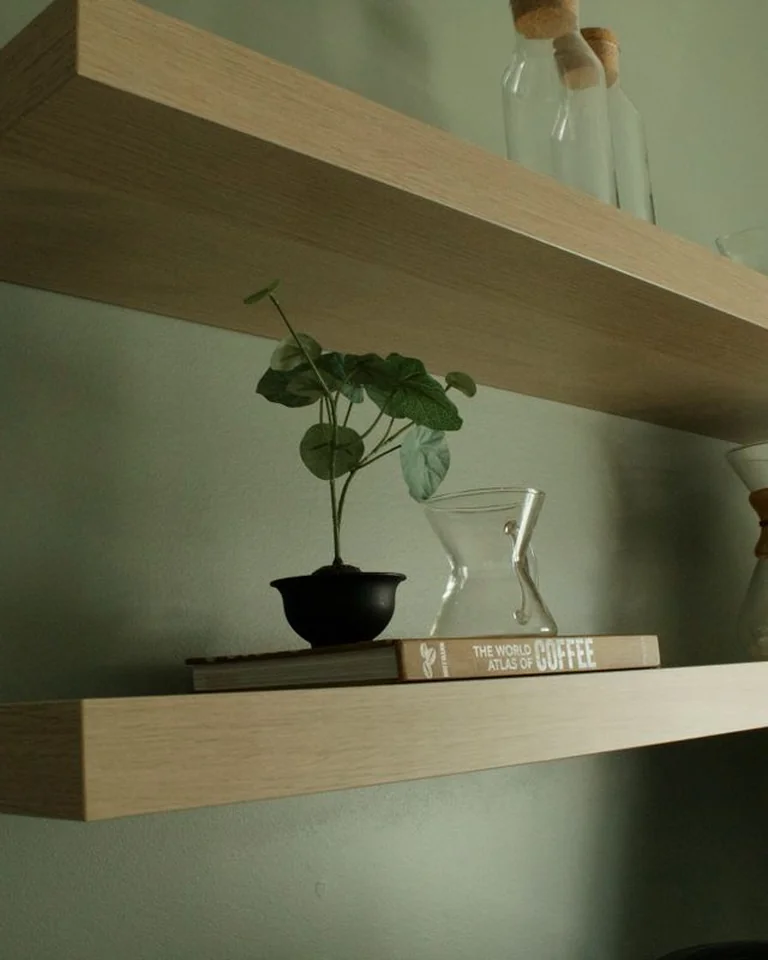
Nothing unifies mismatched bookcases faster than a single coat of paint over everything: cases, trim, and the wall behind them. For the seamless original-to-the-house look, match your existing trim color. For the classic library mood, go deep and enveloping: forest green, navy, charcoal, or oxblood all make book spines glow and hide the flat-pack origins.
Prep decides the result. Lightly sand laminate surfaces so primer grips, seal raw MDF or wood trim with the right primer first, then apply two finish coats. A flawless paint job over joined boxes is what finally sells the illusion of one solid piece of millwork.
12. Wash the Shelves in Warm Light
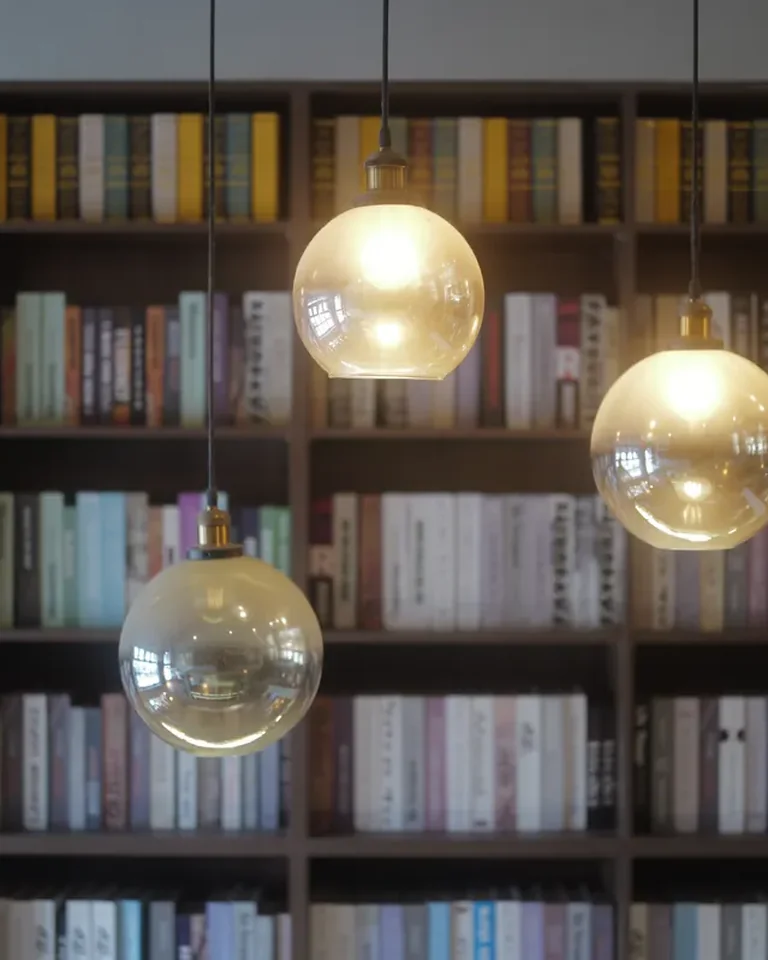
Lighting is the fastest way to make a budget library feel expensive after paint. Stick-on LED strips tucked under each shelf cast a warm gallery glow over the books for a few dollars per shelf; choose warm white around 2700K, since cool white looks clinical. Battery-powered picture lights clipped above the unit need no wiring at all.
Hide the strips toward the front edge of each shelf so you see the glow, not the hardware, and run cords down the back corners where books conceal them. Light the top two-thirds of the wall and leave lower shelves dimmer; the eye reads the lit section as the showcase.

13. Add a Rolling Ladder for the Top Shelf

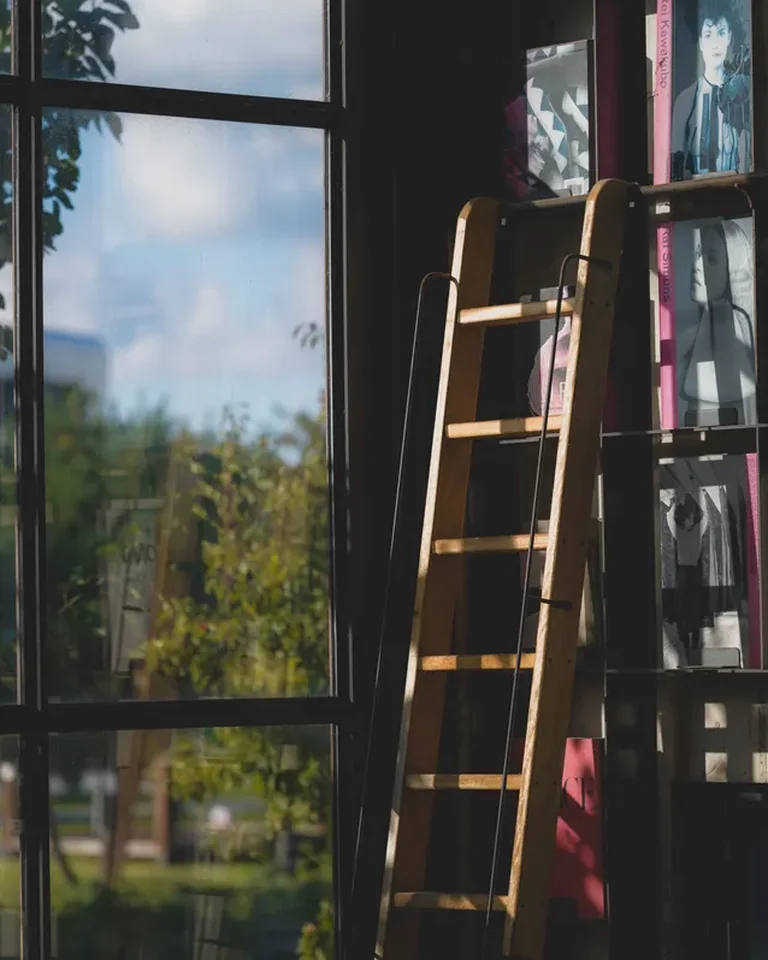
If your library runs to the ceiling, a rolling ladder is both the practical way to reach the top shelves and the single most romantic library flourish. Ladder hardware kits with a metal rail cost far less than the custom millwork they usually accompany; mount the rail into studs or a solid header board so it carries real weight.
Keep the bookcases level and evenly spaced so the ladder glides smoothly, and store only rarely used books or decorative objects up top. Even a simple wooden ladder hooked over a rail transforms a wall of budget shelving into a proper showpiece.
14. Put Doors on the Lower Shelves
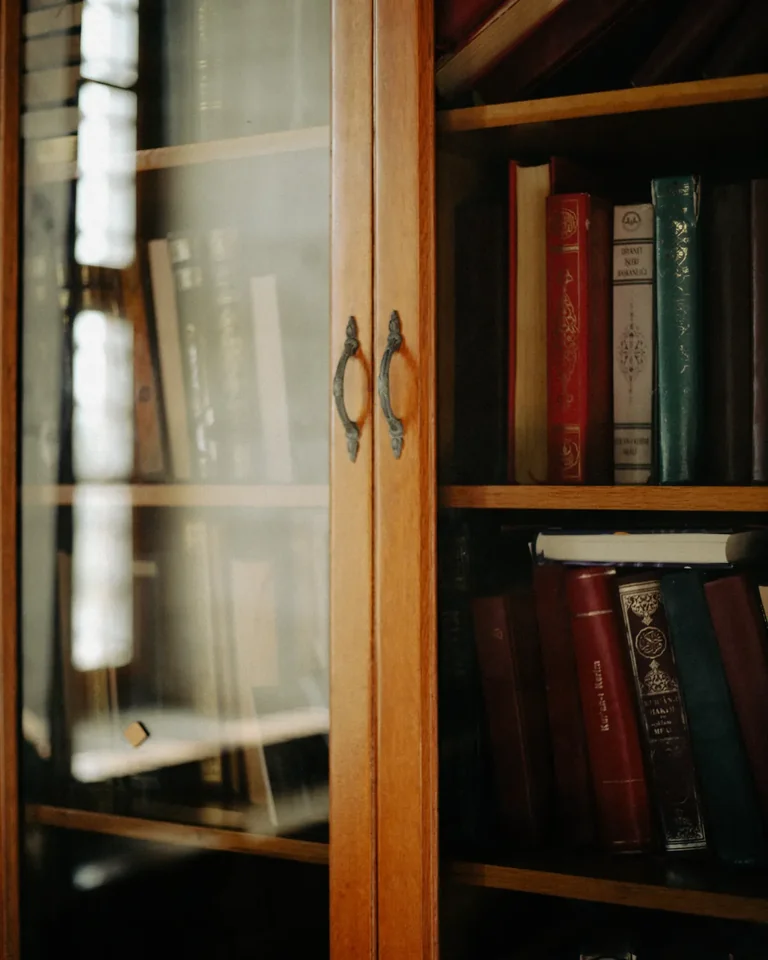
Real libraries mix open display with closed storage, and doors are the budget way to get there. Add ready-made bookcase doors to the bottom row for board games, chargers, and clutter; glass-front doors keep the library feel while hiding visual noise. Many flat-pack lines sell matching doors sized for their own cases, which keeps the project to an afternoon.
Paint or paper the inside of solid doors a surprise color so opening them feels considered. Closed lower storage also gives the whole wall a furniture-like base that grounds the composition, much like the base cabinets in true built-ins.
15. Frame a Window or Doorway With Shelving
Running shelves up both sides and across the top of a window or doorway creates an archway of books that looks fully architectural. Use narrow bookcases for the sides and a simple bridge shelf across the top, trimmed out so the three pieces read as one surround. This works beautifully around interior doorways between living spaces, where the books become a literal passage.
Keep the bridge shelf high enough to clear comfortably and anchor every piece into studs; an overhead shelf of books is heavy. Style the top run with horizontal stacks and objects rather than tight book rows, since it is mostly seen from below.
16. Style the Shelves With Room to Breathe
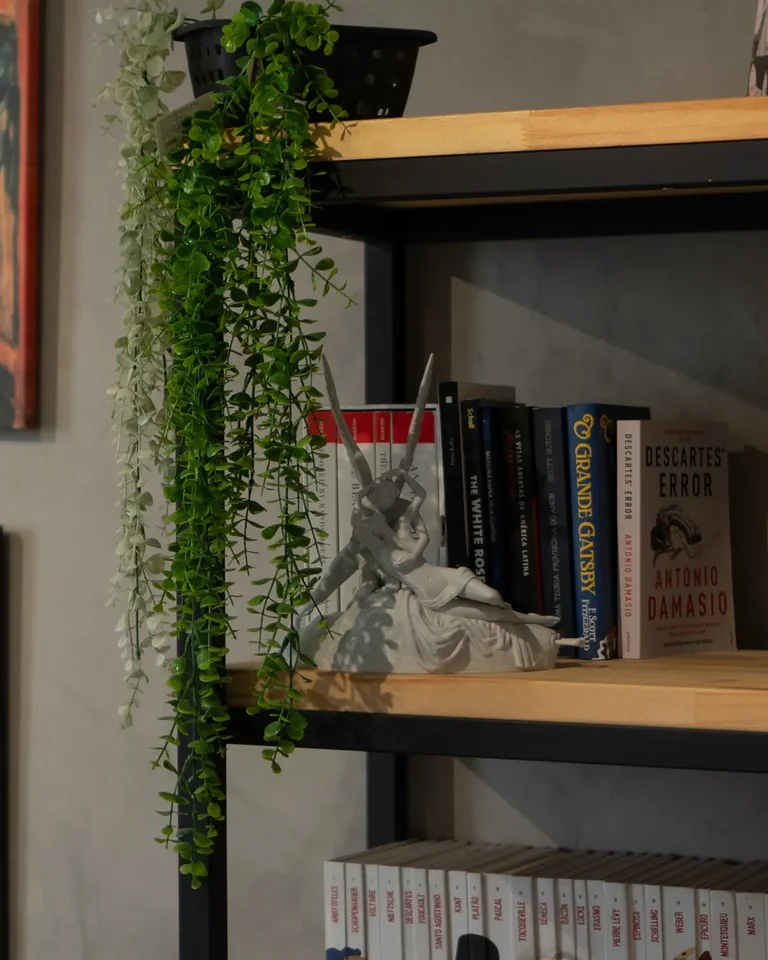
The final step costs nothing and decides everything: how you arrange what goes on the shelves. Mix vertical book rows with horizontal stacks, group objects in odd numbers at varied heights, and leave deliberate empty space on every shelf. A shelf packed edge to edge reads as storage; the same shelf with breathing room reads as design.
Pull the collection together with a loose color story rather than strict rainbow order, and repeat two or three accent objects across the wall for rhythm. Thrifted vases, framed prints, and one trailing plant styled with restraint look every bit as rich as expensive decor.
A budget home library is really a finishing project wearing a carpentry costume. Start with the cheapest solid bones you can find, join them into one anchored wall, hide every seam with trim and caulk, and finish with one confident paint color and warm light. Do that, and nobody standing in the room will ever guess what the shelves cost.